Dacia chief says Romania can’t match Morocco’s industrial advantages
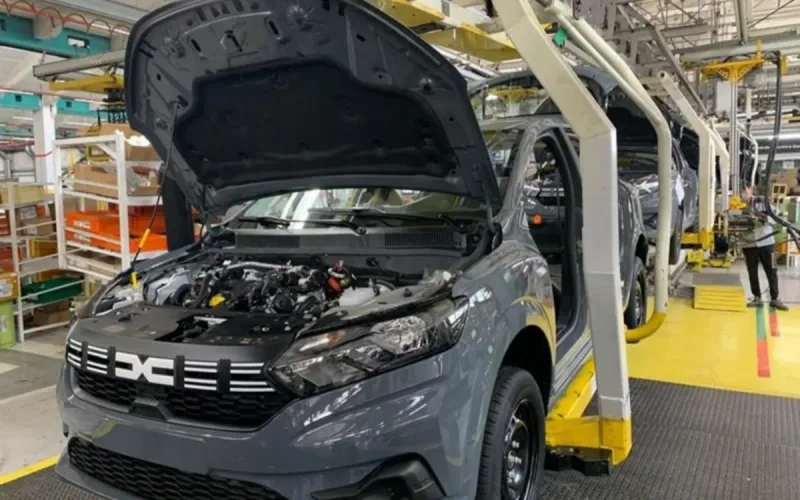
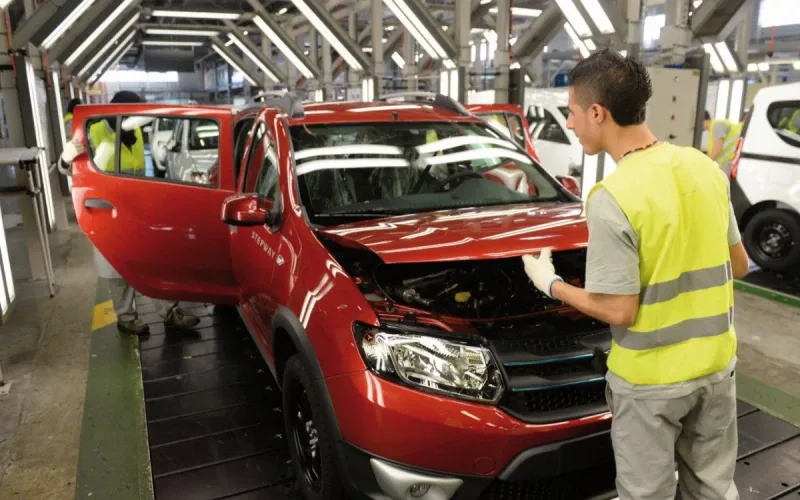
Renault’s factories in Morocco enjoy a considerable advantage over their Romanian counterparts. According to Mihai Bordeanu, head of Dacia in Romania, energy there costs less than half as much as in Romania. He also praises how quickly Morocco has developed its industrial infrastructure.
“Less than half the Romanian price.” That is the striking comparison Mihai Bordeanu made about the cost of energy at Renault’s factories in Morocco. Speaking to Romanian business outlet Economedia on October 14, the head of Dacia in Romania made no secret of his admiration for the conditions offered to the French automaker in the kingdom. And electricity is not the only advantage he points to.
On Bladi.net : Renault Morocco Factory: Local Integration and Sustainability Strategy
“The factory in Morocco has benefited from gigantic, enormous, incomparable support from the leaders of the Moroccan state. We cannot compare ourselves,” he says. The industrial executive points in particular to transport infrastructure built at exceptional speed to support Renault’s establishment there.
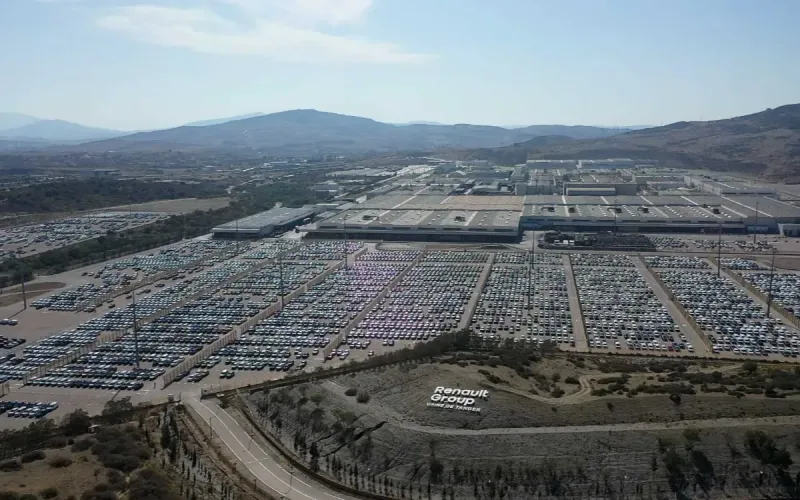
From the production lines to loading the vehicles onto ships, everything was organized to speed up exports. Roads, highways and port facilities form a network that Bordeanu holds up as an example. This organization is now one of the strengths of Renault’s industrial ecosystem in Tangier, where vehicles can travel directly to the port of Tanger Med by rail.
Romania must cut costs by 20 to 30%
The comparison comes at a delicate time for the Dacia factory in Mioveni, Romania. François Provost, CEO of Renault Group, has asked it to cut production costs by at least 20%, with a target that could reach 30%. Mihai Bordeanu considers this achievable, but only if Romania’s public authorities support the automotive industry.
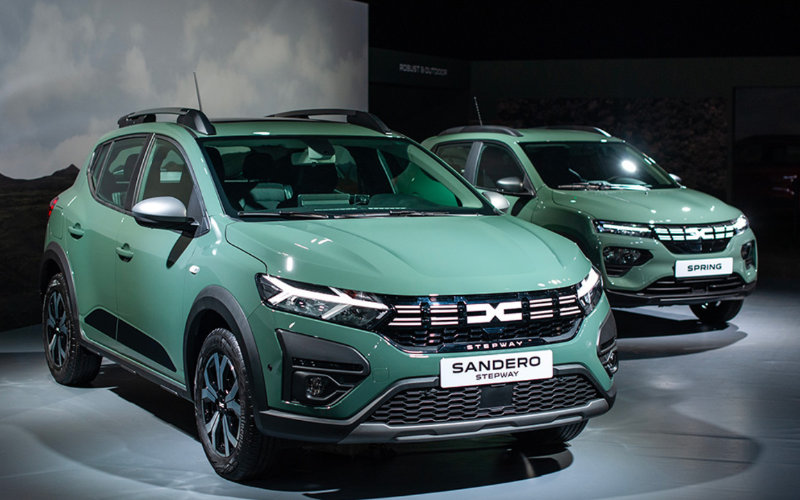
On Bladi.net : Morocco Builds the Sandero That Has Sold 1 Million in France
The executive is calling in particular for faster highway construction, modernized rail lines and investment in the port of Constanța. He also wants lower energy and gas costs for all suppliers. A supplier that pays too much for energy cannot, he explains, offer automakers parts at competitive enough prices.
The future of the Dacia Duster and Bigster, currently manufactured in Mioveni, is also at stake. Asked about the risk of losing production of their next generations, Mihai Bordeanu says that “all options are on the table.” He adds, however, that no decision has been made. The cost-cutting plan still needs to be developed with suppliers and Romanian authorities, with 2030 as the target. No transfer of production to Morocco has been announced.