Morocco
Olive oil: the broken trust of Moroccans?
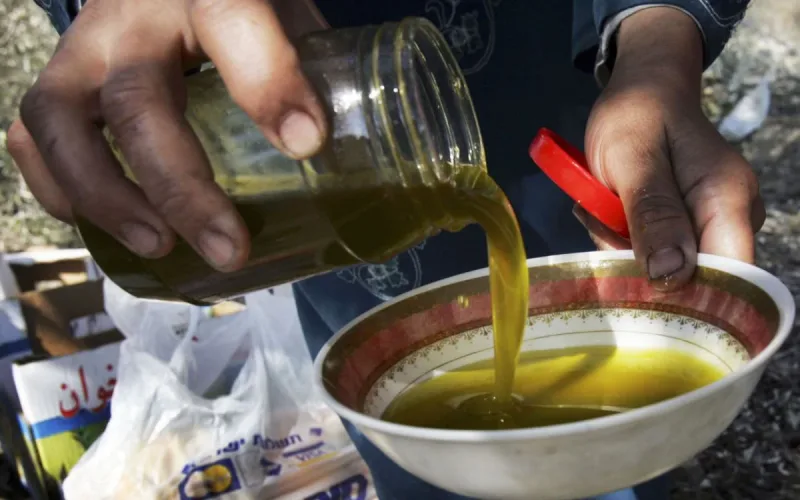
Moroccan olive oil professionals denounce a practice of consumers who press the oil themselves to avoid fraud.

Moroccan olive oil professionals denounce a practice of consumers who press the oil themselves to avoid fraud.
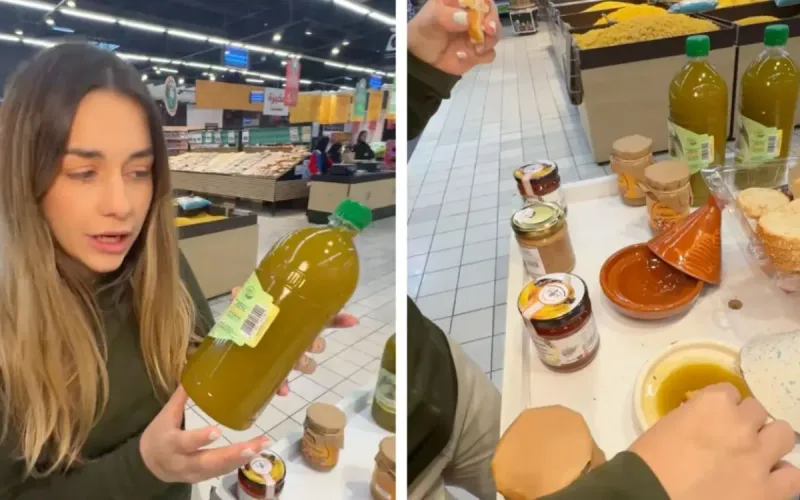
Spanish olive oil is a global reference, but its Moroccan neighbor also arouses curiosity. On a trip to Morocco, Spanish content creators specialized in gastronomy shared their surprise in tasting the local olive oil, praising its texture and flavor.
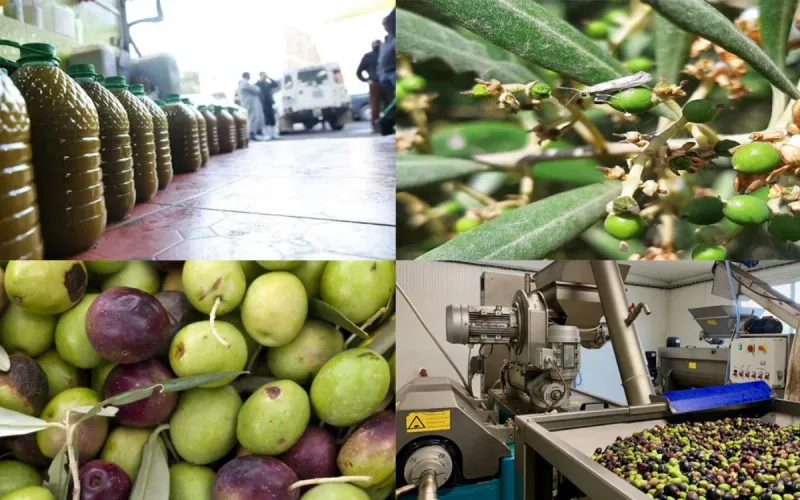
The National Office of Sanitary Safety of Food Products (ONSSA) published a clarification this Saturday, November 8, in response to rumors circulating on social networks. These claimed the alleged return of a cargo of Moroccan olive oil by a European country due to the presence of pesticide residues.
Morocco faces a worrying paradox. While obesity is on the rise, millions of Moroccans still suffer from severe nutritional deficiencies. This is at least what the latest report from the Moroccan Institute of Political Analysis reveals.
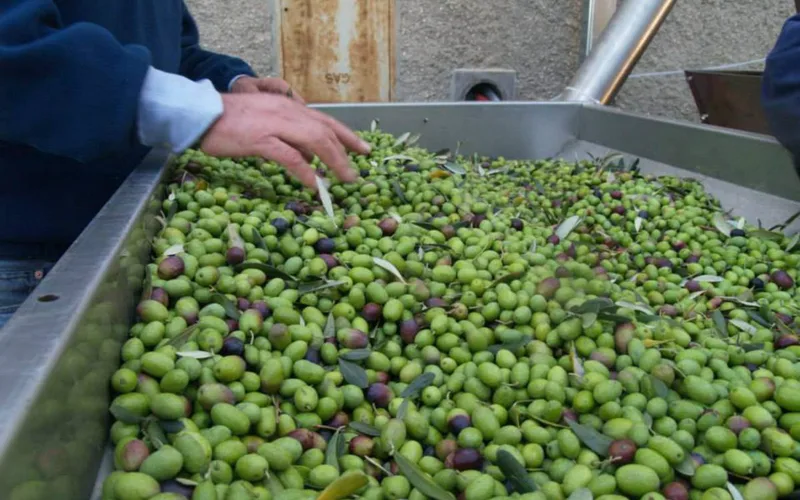
The Moroccan Observatory for Consumer Protection (OMPC) is warning against the worrying proliferation of clandestine workshops specializing in olive preservation and harissa production. It calls on the competent authorities to react urgently to put an end to these practices, which constitute a serious threat to public health.
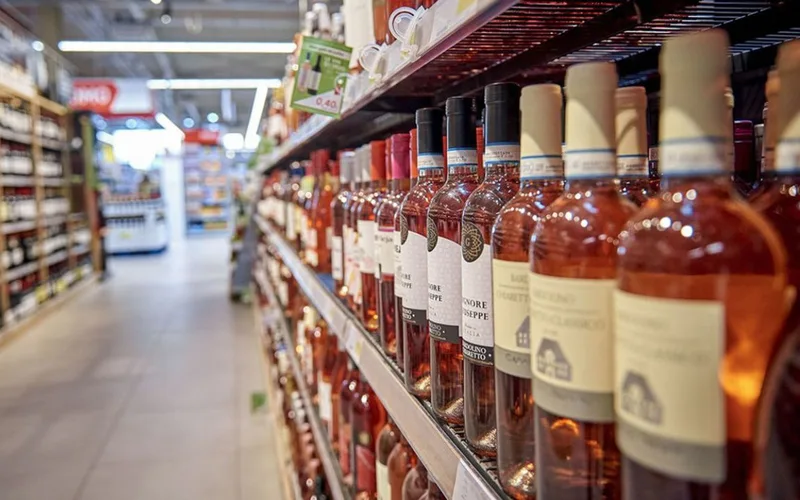
The Moroccan government plans to generate tax revenue of more than 21 billion dirhams from taxes on tobacco and alcohol consumption to maintain the budget deficit at 3% of GDP in 2026. An amount that far exceeds the expected profits of the Office Chérifien des Phosphates (OCP).
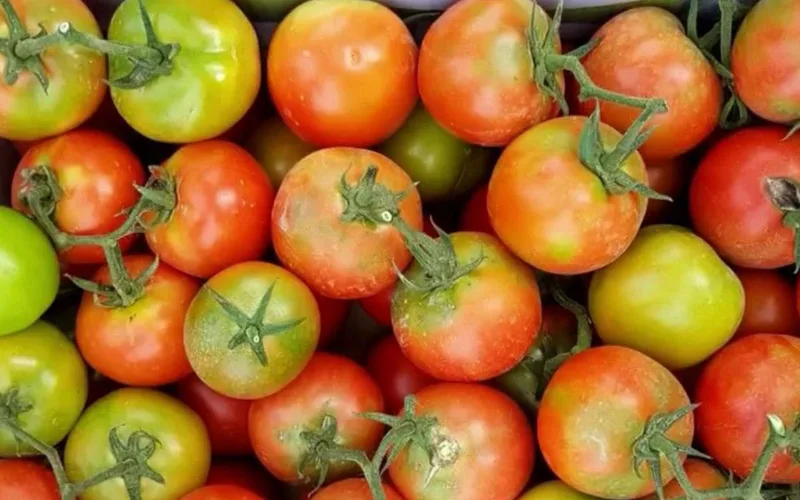
Russian authorities have intercepted and seized a large shipment of contaminated Moroccan tomatoes upon arrival at the temporary storage warehouse "Sirius" in the Kaliningrad region.
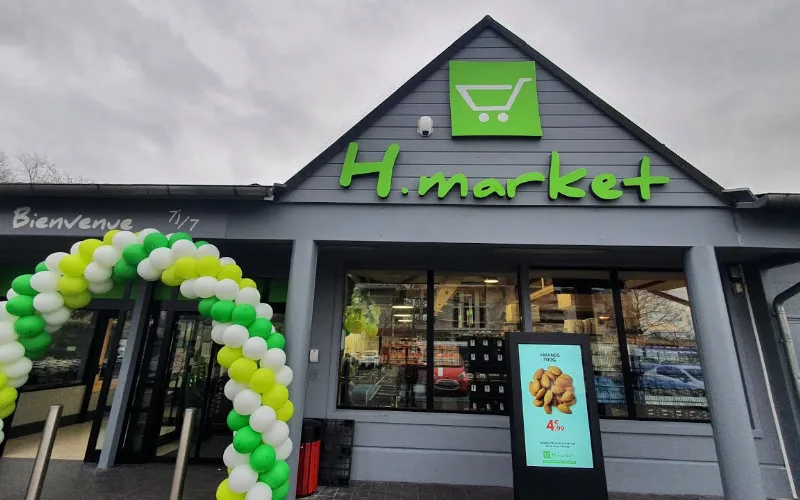
Carrefour announced on Thursday, September 11, the acquisition of 10% of the capital of HMarket for around 10 million euros. The announcement provoked an avalanche of reactions from members of the Muslim community who have called for a boycott of the halal brand.
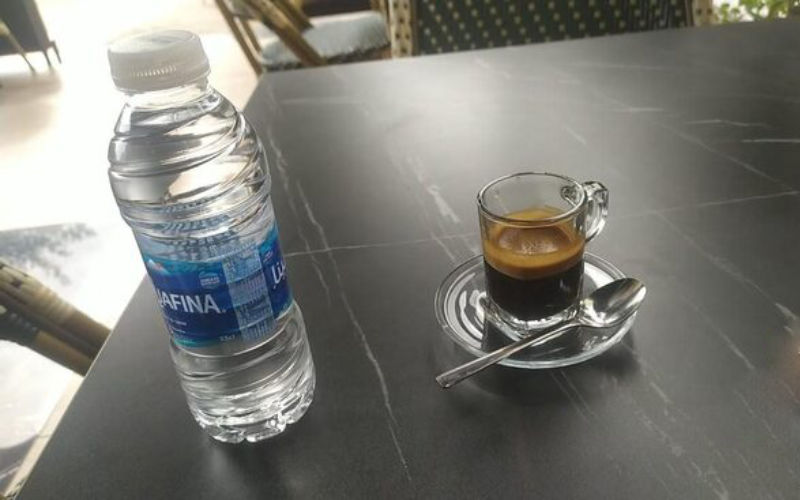
A customer of a café in Marina Agadir recently called on a bailiff after a waiter refused to serve him a cup of coffee.
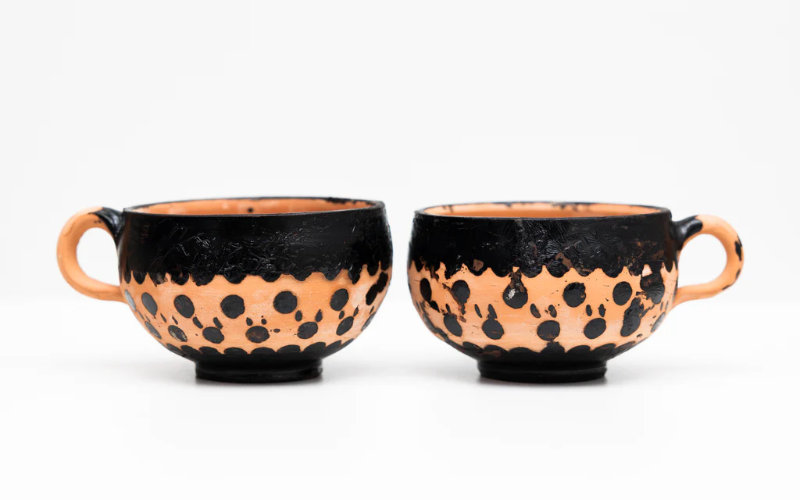
The French authorities have decided to withdraw the earthenware cups sold in a store in Béziers, in the south of France, due to their high content of toxic substances.
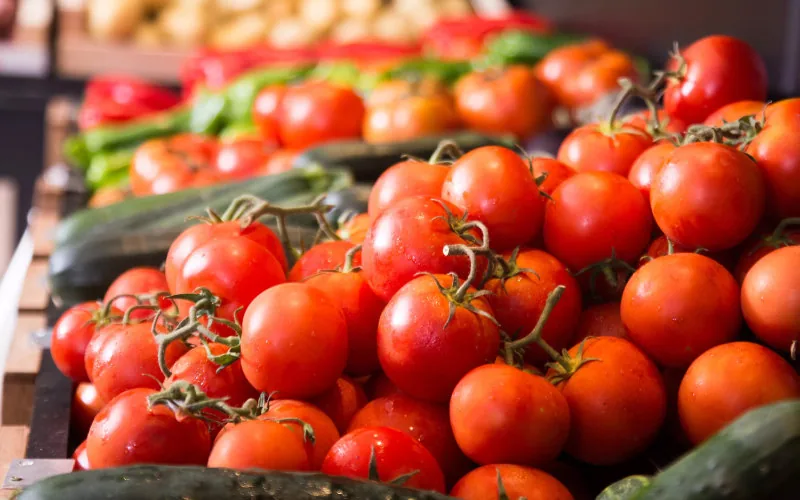
The Moroccan tomato is still in the sights of French farmers who do not wish for a resumption of the fishing and agricultural trade agreements between the EU and Morocco.
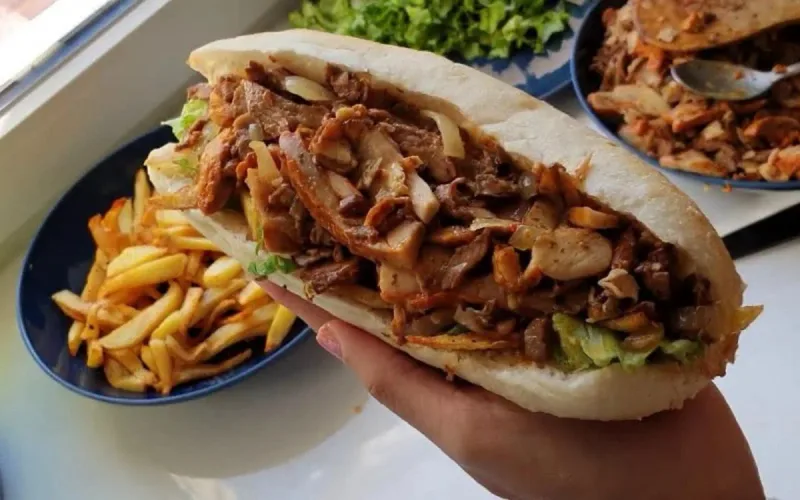
Morocco is among the tourist destinations where the likelihood of suffering from food poisoning is high, according to the renowned British newspaper Daily Mail. In addition to the kingdom, the list includes countries such as Egypt, Spain, Mexico, Southeast Asia, Bali, and others.