Will Moroccan sardines disappear from French supermarkets?
The axe has fallen. Faced with the collapse of fish stocks, Rabat has decided to suspend the exports of frozen sardines as of February 1st. A shock measure aimed at protecting the purchasing power of Moroccan households, but which threatens to cause a shortage and a surge in prices in French supermarkets.
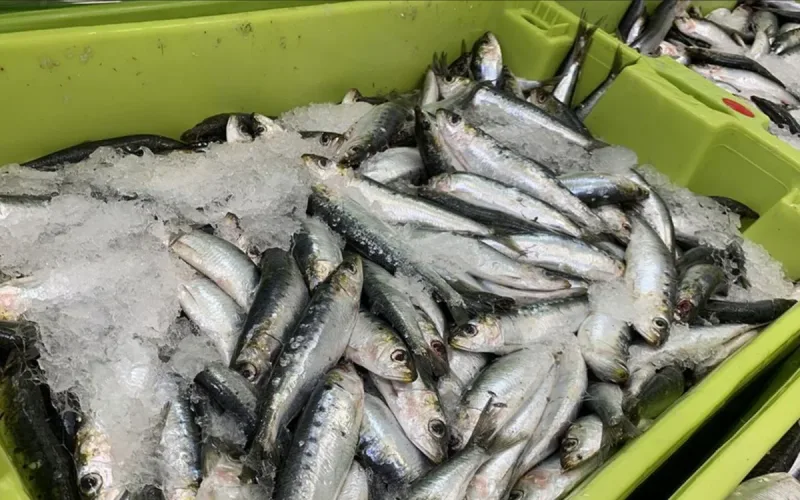
The decision is radical, commensurate with the crisis affecting the sector. As of February 1st, no more frozen sardines will leave Moroccan territory. This measure, announced in Parliament by the Secretary of State for Maritime Fisheries, Zakia Driouich, has a clear objective: to guarantee the supply of the domestic market and calm the prices of a basic necessity product, especially as Ramadan approaches.
The assessment is alarming: sardine landings have fallen by 46% in just two years, from 966,000 tons in 2022 to around 525,000 tons in 2024. Between unfavorable weather conditions and rising costs, the supply is dwindling, forcing the authorities to prioritize domestic demand.
French canneries on alert
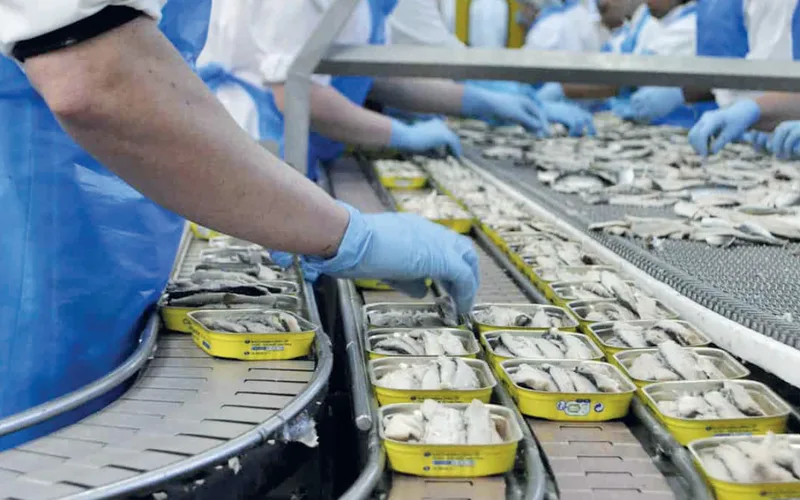
On the other side of the Mediterranean, this announcement is like a bomb. French canners, ultra-dependent on Moroccan waters, were already warning of a scarcity of raw material. Moroccan sardines are essential for Breton industrialists: France processes around 20,000 tons of sardines per year, the majority of which come from the Kingdom.
The consequences for the French consumer are expected to be heavy. Canned sardines, especially the "entry-level" ranges, are already disappearing from the shelves of stores like Auchan or Intermarché. Christian Racle, president of the Confederation of Fish Canners, warns that the price per kilo could simply double if the situation persists.
Beyond crisis management, this decision highlights the fragility of the Moroccan fisheries model. While the Kingdom remains the world’s leading exporter of this fish, a study cited by the UN points to colossal waste: trawlers would reject up to 43.7% of their catches. A waste that, coupled with the warming of the waters, explains the current depletion of stocks.