Olive oil: how Morocco is signing a spectacular rebound this year
Faced with several years of drought and a decline in its yields, the Moroccan olive oil sector is embarking on a spectacular recovery in its production for the 2025-2026 campaign. This rebound, driven by a 78% increase in volumes, allows the Kingdom to regain a position of strength within the Mediterranean basin after a cycle of water stress that was particularly trying for farmers.
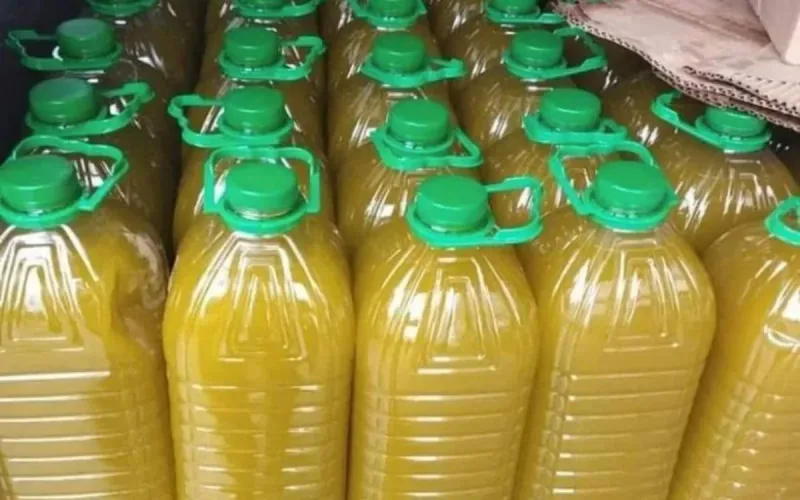
According to the latest projections from the International Olive Council (IOC), national production is expected to reach 160,000 tons of olive oil, compared to only 90,000 tons in the previous fiscal year. This surge is one of the most marked in the region and contrasts with the situation of several neighbors. While Morocco is emerging from the water, Algeria, Jordan or Turkey are seeing their harvests decline sometimes severely. In this ranking of non-European producers, only the Tunisian giant, with its 450,000 tons, maintains a comfortable lead, placing Morocco in second place in terms of volume and momentum of catch-up.
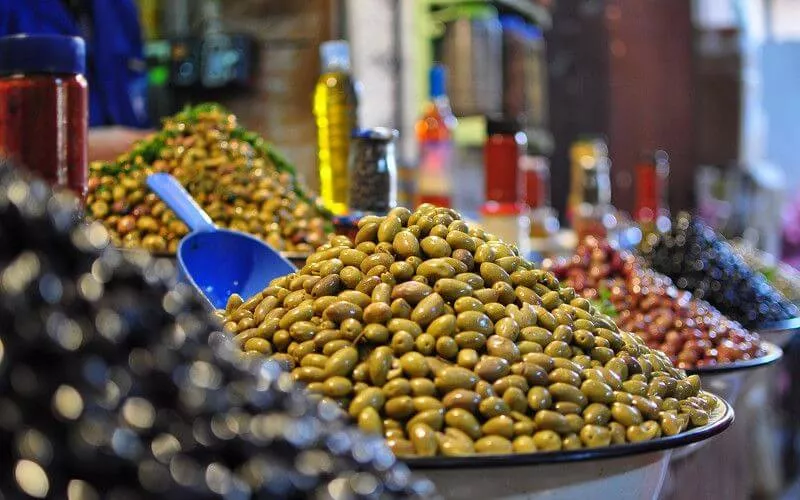
However, this generally positive landscape hides a more contrasted reality for table olives. While oil is taking off, fruit production remains stuck on a plateau at 120,000 tons for the fourth consecutive year. This prolonged stagnation illustrates the limits imposed by the maturity of certain orchards and, above all, by the meticulous management of water resources. For the sector, the challenge of the coming months will be to stabilize these yields in the face of climatic hazards while arbitrating between meeting domestic demand and growing opportunities in international markets.
This transition phase shows a sector in full reconstitution of its potential. The return to a production above the multi-year average, estimated at 131,000 tons, provides a breath of fresh air for producers and repositions Morocco as a structuring player in the Mediterranean market. The success of this recovery will now depend on the continuous improvement of cultivation practices and the ability of national players to consolidate these gains despite a climatic environment that remains by definition unpredictable.