Morocco
Morocco Expands Dirham's Trading Range to Boost Economic Resilience
The easing of the exchange rate regime aims to absorb external shocks, in particular a surge in oil prices, and to strengthen the competitiveness of Morocco.

The easing of the exchange rate regime aims to absorb external shocks, in particular a surge in oil prices, and to strengthen the competitiveness of Morocco.
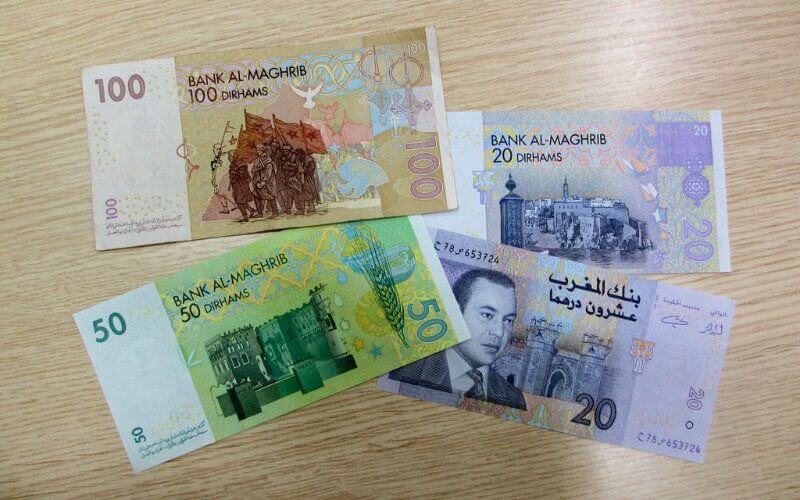
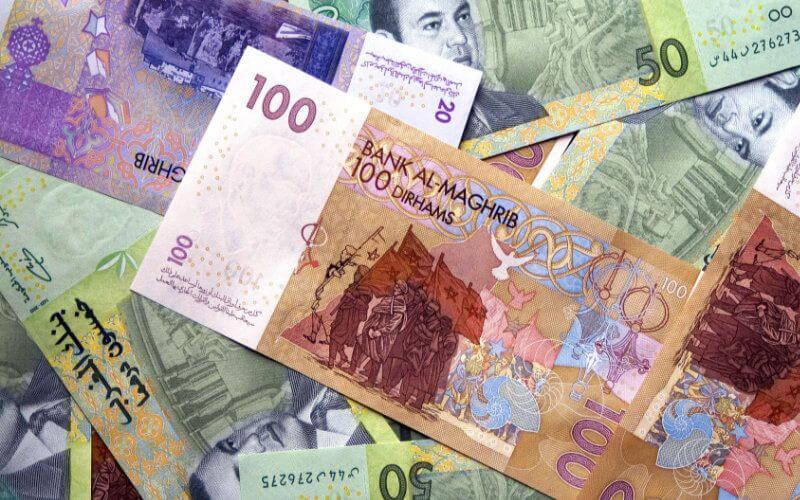
For the month of September just passed, the dirham appreciated by 0.06% against the euro and depreciated by 0.92% against the US dollar. This is according to Bank Al Maghrib (BAM).
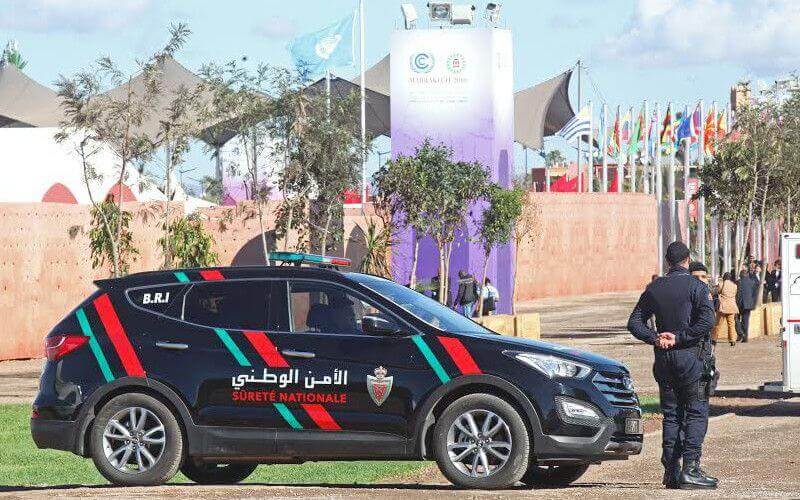
Despite its stagnation in the 2019 ranking of the World Economic Forum (WEF), Morocco manages to hold its own by showing a slight improvement. Its financial system and inflation control, as well as infrastructure, allow the Kingdom to slightly improve its score. Security is also one of its strengths.
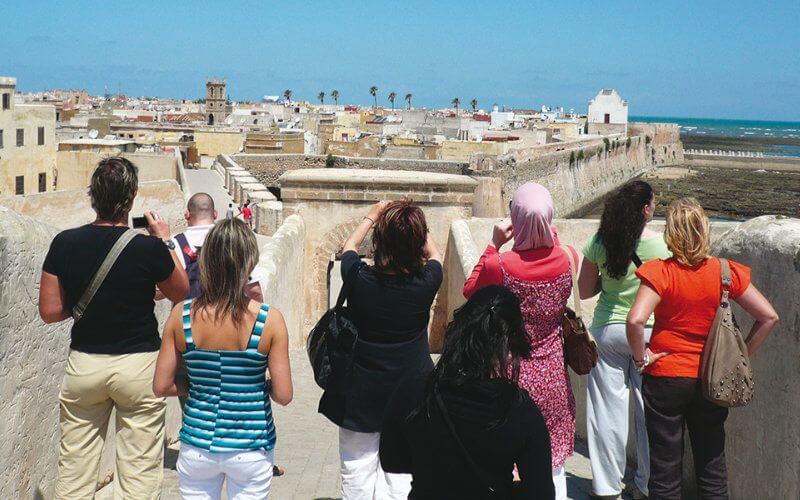
Morocco ranks 66th out of 140 countries, thus falling back one place in the Global Index established by the World Economic Forum (WEF). This is revealed by the 2019 Global Travel and Tourism Competitiveness Ranking, which also indicates that the kingdom nevertheless shows better scores at the regional level, in certain sub-indices.
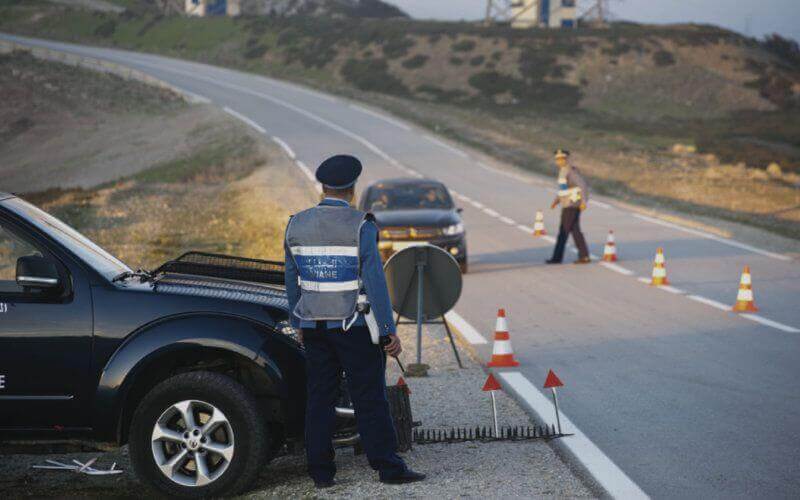
The customs services have announced several changes that will come into effect as of October 1, 2019.
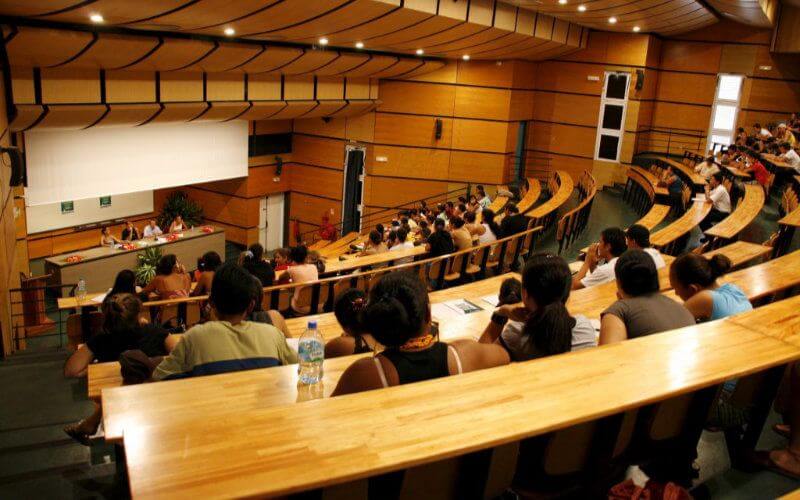
Morocco is not featured in the Shanghai ranking of the 1,000 best universities in the world. For the 2019 edition, no university in the Kingdom is included in the ranking of this benchmark ranking.
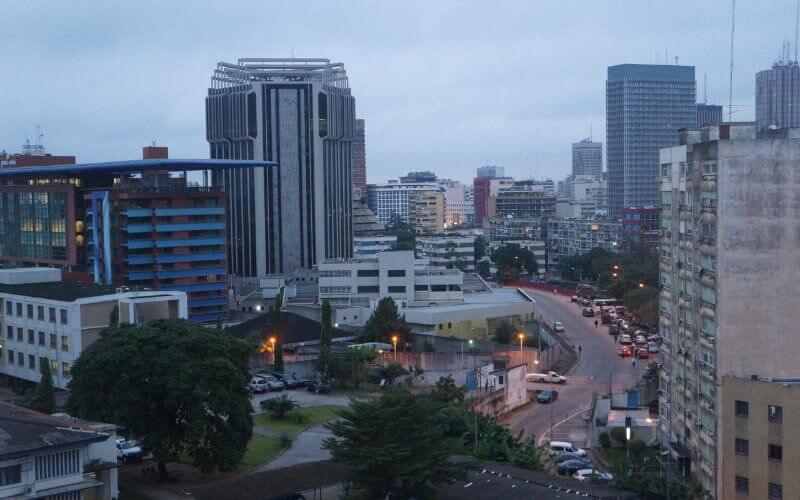
Moroccan investments abroad have increased by 68.1% in the first half, reaching 4.2 billion dirhams (444 million dollars) at the end of June, according to the latest figures published by the Office of Foreign Exchange.
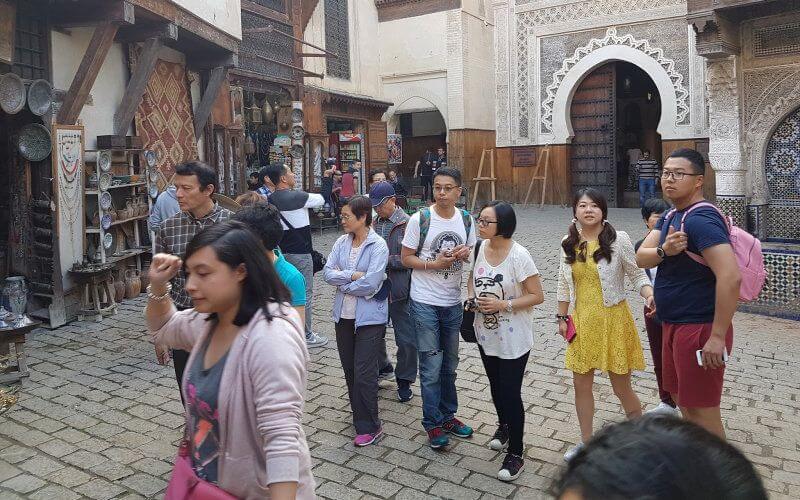
In Morocco, the law only authorizes Moroccans to practice the profession of tourist guide. Unfortunately, it is not respected by several Chinese agencies that practice this profession, without the knowledge of the competent authorities, in total lack of the required standards.
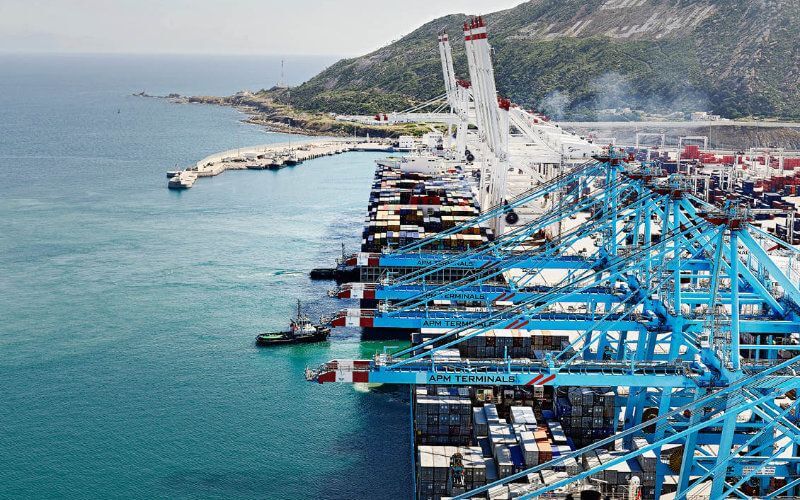
Just a few days after its extension, the Port of Tanger-Med stands out as one of the best in the Strait and the Mediterranean, to the point of dethroning its Spanish neighbor Algeciras.
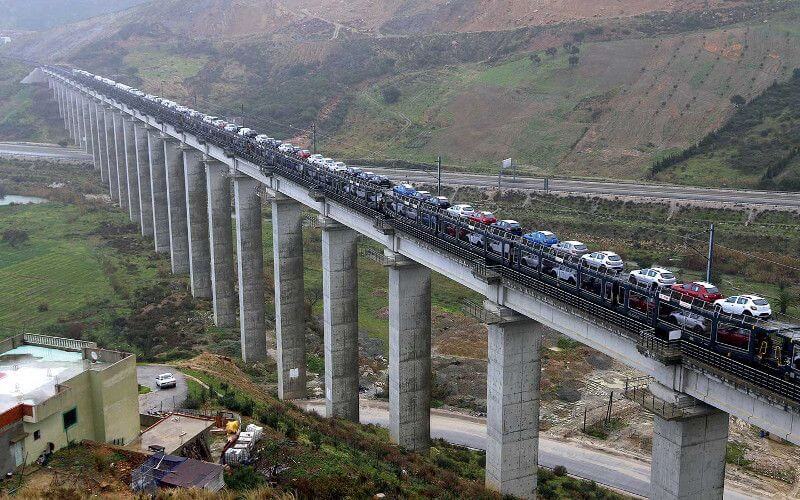
The major efforts undertaken by Morocco to boost the country’s development have paid off. Indeed, the Kingdom has just been ranked 4th among the countries that attract the most foreign investment in the Middle East and North Africa (MENA) region.
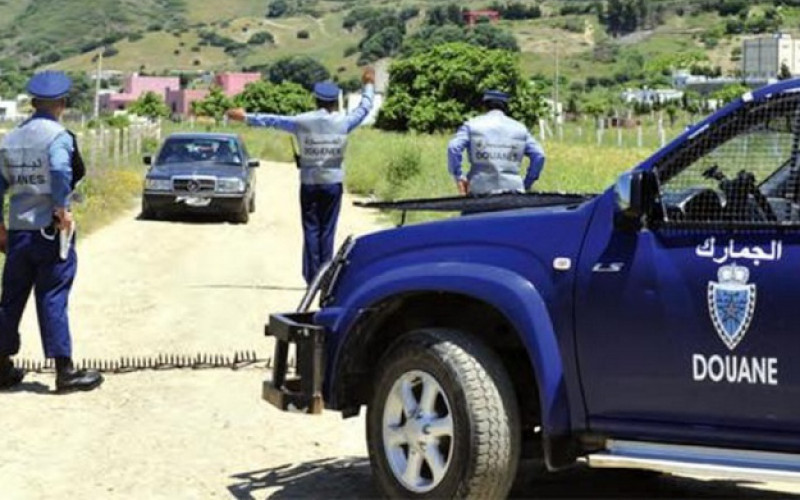
Customs revenue in Morocco has just crossed the 100 billion DH mark. Proof of profitability highlighted by quality services.
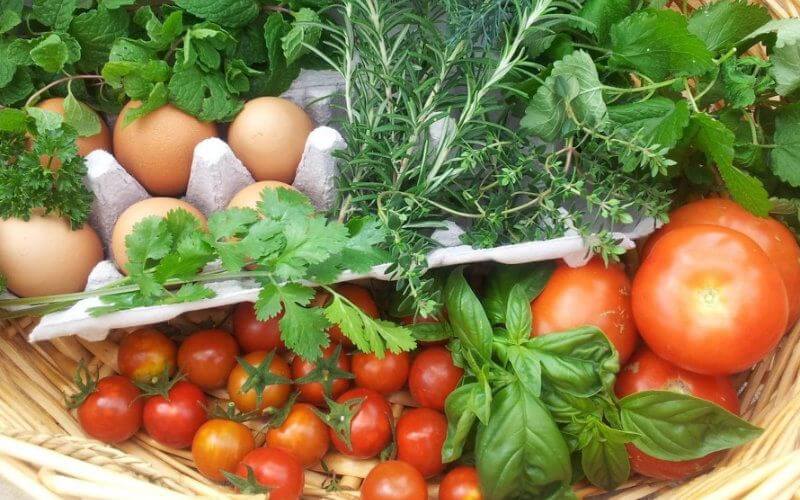
In its desire to carve out a place for itself on the world market, "Made in Morocco" organic products are facing several bottlenecks, including the cost of inputs, domestic demand, seeds and the legal void.