A 10-Centimeter Pipe Helps Save Tomato Farm Near Agadir
In Chtouka Aït Baha, near Agadir, 24-year-old Zakaria Afkir has found a way to better irrigate the 10 hectares of cherry tomatoes grown by his family. Since summer 2025, a connection to desalinated seawater has transformed daily life on the farm.
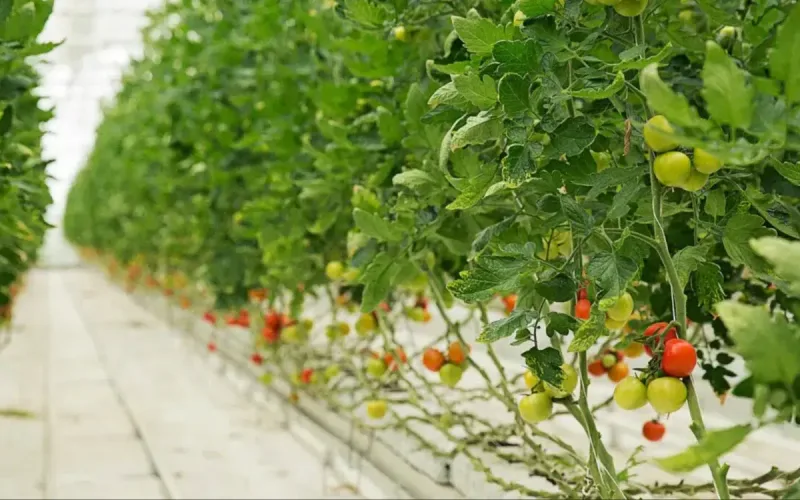
A red crank and a pipe about 10 centimeters in diameter, installed among the tomato plants: this is the setup that transformed Zakaria Afkir’s life. “It’s what saved us,” the young farmer says in a report published by Le Monde. The installation now connects the family farm to the Douria desalination plant, located 15 kilometers away on the Atlantic coast.
Before the connection was made, the family relied entirely on a 150-meter-deep well to irrigate its crops. Pumping restrictions during periods of extreme heat put the harvests at risk. A graduate of the Rabat Institute of Agronomy and Veterinary Medicine, Zakaria Afkir knows the agricultural challenges in this region well. According to the Souss-Massa Hydraulic Basin Agency, the groundwater table is falling by nearly three meters each year.
Desalinated water now provides him with an additional supply, capped at 3,500 cubic meters per hectare per year. That amount represents about half the water needed for one hectare of tomatoes. Irrigation difficulties in Souss-Massa continue to weigh on producers, with the start of the tomato season delayed in autumn 2026.
Water that costs almost four times as much
That security comes at a price. Farmers in the region pay 5.60 dirhams per cubic meter of desalinated water, compared with 1.50 dirhams for water from dams. That is a significant difference for growers, despite public subsidies. According to figures reported by Le Monde, the actual cost is 10.2 dirhams per cubic meter.
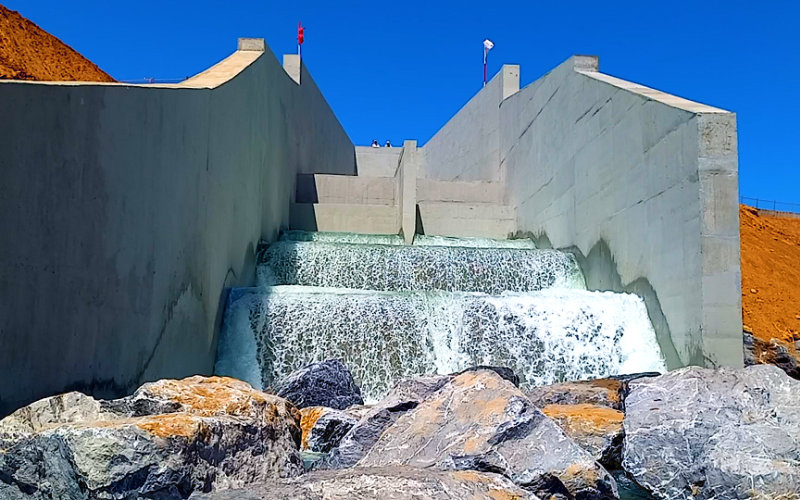
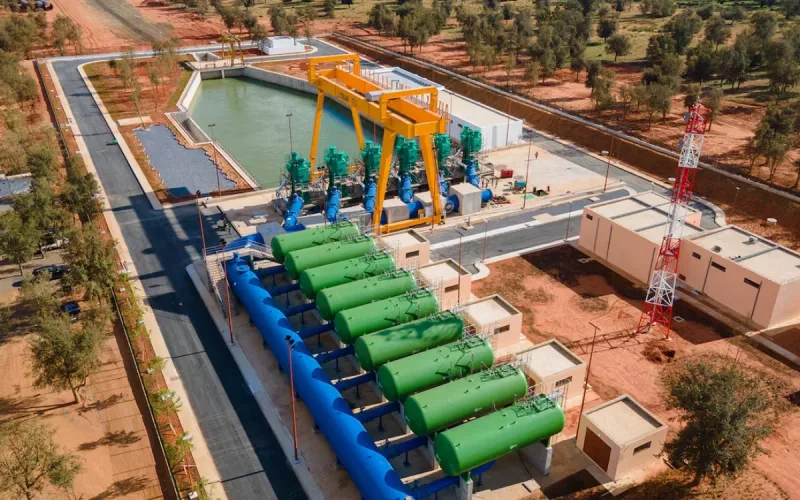
The Chtouka Aït Baha desalination plant, which came into operation in 2022, supplies 125,000 cubic meters of water a day to agriculture and 150,000 cubic meters for drinking water in Agadir and its surrounding areas. Its network serves around 15,000 hectares of farmland in a region that is vital to Moroccan tomato exports.
On Bladi.net : Morocco’s Desalinated Water Costs: Subsidies, Prices and Financial Risks
For Zakaria Afkir, this new resource above all makes it possible to look to the future differently. After years of difficulties caused by water shortages, the young farmer now hopes to expand the family farm. “Now that we have a sustainable supply, we’d like to expand,” he says.