Morocco’s Desalinated Water Costs: Subsidies, Prices and Financial Risks
The 2024–2025 report by the Court of Auditors reveals a critical gap between the production costs of desalinated water and the prices charged to consumers. Despite production costs sometimes exceeding 23 dirhams per cubic meter, the prices charged remain heavily subsidized by the state or public groups to guarantee access to this resource.
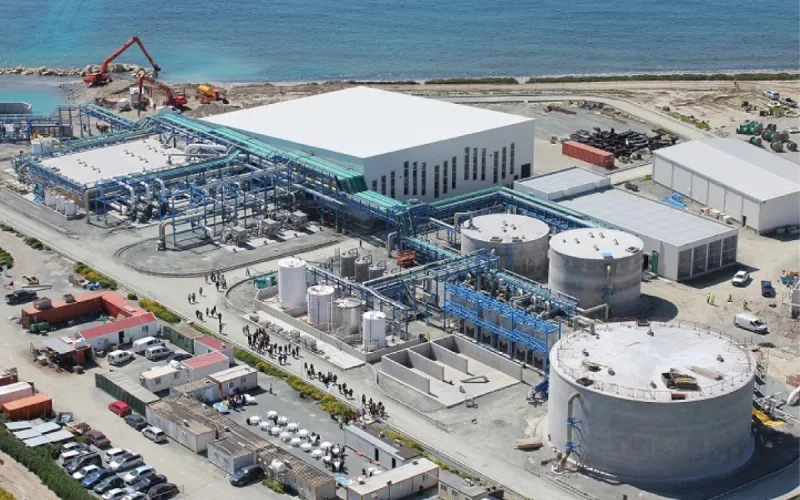
Morocco’s strategy of turning to non-conventional water resources is confronting a complex economic reality, marked by steadily rising production costs. According to the Court of Auditors, this gap is driven by technical factors such as energy consumption and water quality, as well as inflation and taxation. At the Agadir plant, the cost of drinking water rose to 10.29 dirhams per cubic meter in 2024, representing a 16% increase compared with the reference model, mainly due to the absence of tax exemptions and the repercussions of the health crisis.
To read: Morocco is building dams and desalination plants, Spain “is doing nothing”
The sustainability of this model currently depends on a systematic compensation system. In Agadir, the National Office of Electricity and Drinking Water (ONEE) covers the difference between the purchase price paid to the private partner and the resale price. A similar mechanism is in place for the Safi and El Jadida plants, where Groupe OCP has committed to covering an operating deficit of approximately 1.02 dirhams per cubic meter to support its water-resource projects. For the Casablanca project, the cost of 4.48 dirhams is considered competitive, although the institution warns that inflationary risks could undermine this forecast.
To read: Morocco: we are starting to steal ... water
The report highlights striking disparities in certain regions managed directly by ONEE. The case of Laâyoune is the most emblematic, with production and distribution costs reaching 23.41 dirhams per cubic meter in 2023, while the average selling price remains at 5.06 dirhams. In Al Hoceïma, the situation is similar, with a production cost of 16.66 dirhams and a selling price of 6.24 dirhams. These figures demonstrate the colossal financial effort made by the state or public companies to absorb the costs of a technology that has become indispensable in the face of water stress, but whose budgetary balance remains precarious.