Morocco brings out the heavy artillery with 5.5 billion euros to avoid thirst in 2026
Morocco refuses to give in to the worst drought in its history. To counter a water deficit that threatens to worsen, the Kingdom is releasing a record envelope of 5.5 billion euros as early as next year, betting on a survival strategy where seawater desalination will become the new norm.
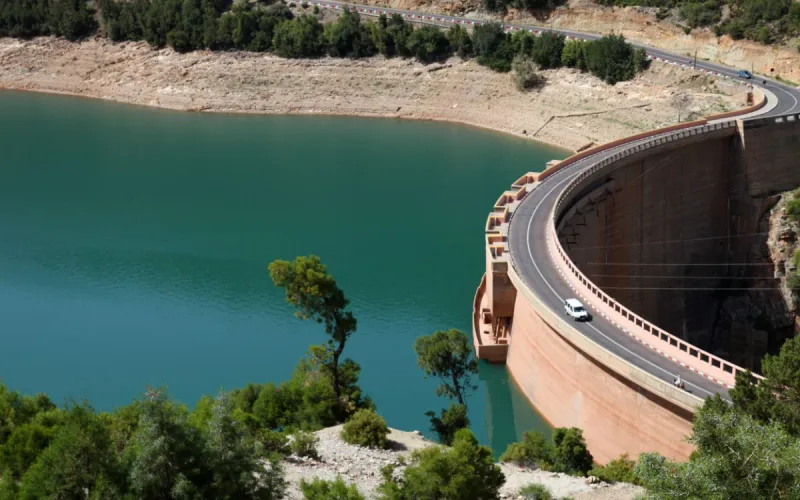
The urgency is absolute. For six years, the country has been going through an unprecedented aridity, with dams filled to less than 30%. Climate forecasts are further darkening the picture, anticipating a 65% drop in rainfall by the end of the century. This catastrophic scenario jeopardizes agriculture, the pillar of the economy that consumes 80% of the resources, and has already caused a surge in food prices. To break this cycle, the authorities are launching a major offensive as part of the National Drinking Water Supply and Irrigation Program (PNAEPI), the most ambitious project ever conceived by the Kingdom.
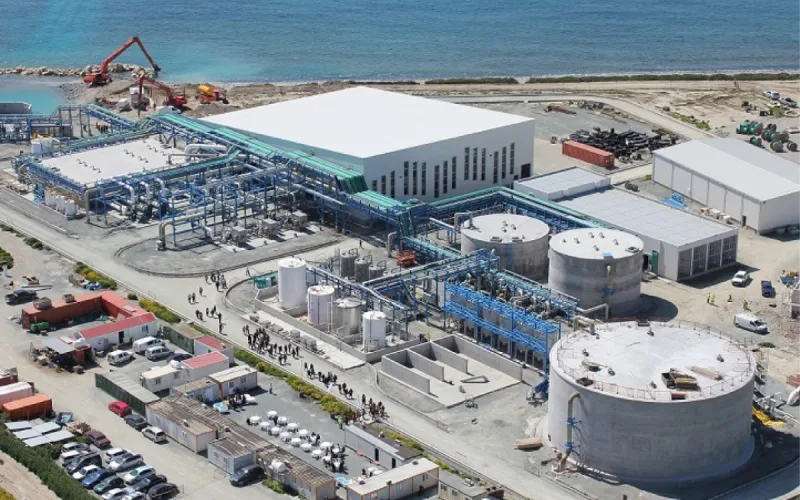
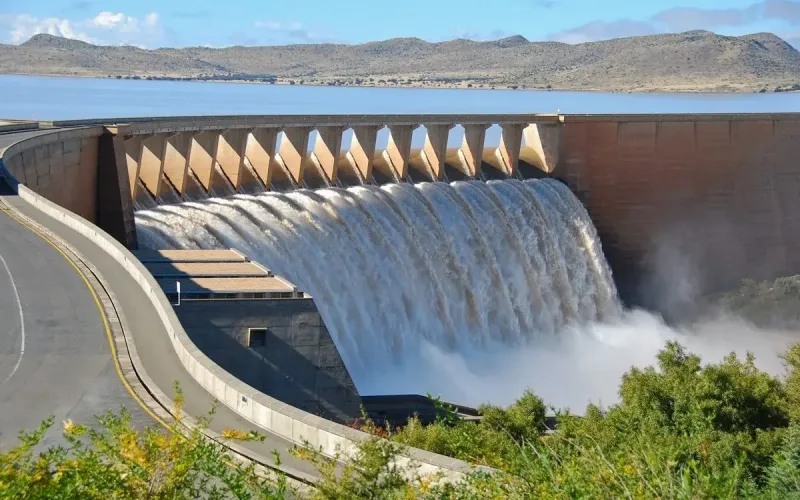
The year 2026 will mark a decisive turning point. Out of the total investment of 15.5 billion euros planned until 2030, nearly a third will be injected as early as next year to secure the supply. The plan is based on a radical transformation: while the current 153 large dams will be strengthened to reach 24 billion cubic meters of capacity, it is desalination that is changing the game. The goal is to produce 1.7 billion cubic meters of desalinated water per year by the end of the decade, thus covering more than half of the drinking water needs.
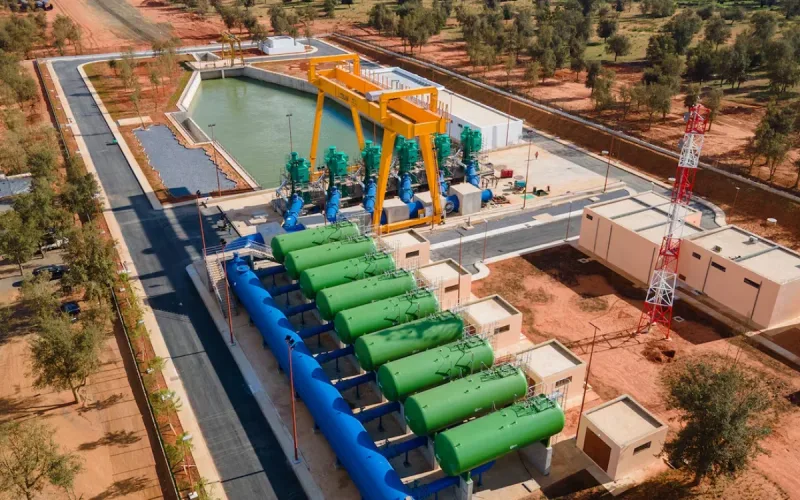
This water revolution is based on technology and ecology. Thirteen new desalination plants will be added to the 17 already existing ones, mostly running on renewable energy, following the model of the Agadir plant powered by wind. At the same time, Morocco is accelerating the reuse of wastewater and developing its "water highways", giant pipelines that already transport 500 million cubic meters to Rabat and Casablanca. A vital race against time to ensure the country’s resilience in the face of an increasingly hostile climate.