Algeria Claims Morocco Appropriated Traditional Songs and Couscous
Mohamed Meziane, the Algerian Minister of Communication, accused Morocco of appropriating couscous.

During an oral question session in Parliament on June 12, Mohamed Meziane attacked Morocco, accusing it of stealing "certain old songs from Algerian popular culture," more specifically "purely Algerian songs according to specialists in the authenticity of art history and poetry." The Algerian minister specifies that these songs come from Tlemcen, a city that was under Moroccan domination for several centuries, even before the existence of Algeria, and which still bears visible signs of Moroccan culture and craftsmanship in its monuments.
"If these songs appear to some as belonging to a country, it is only because they have been reproduced either out of admiration or for malicious purposes, particularly through the naturalization of certain Algerian singers and the material and financial temptations they were offered," argued the Algerian official, targeting without naming them the Algerian artists Cheb Khaled and Faudel, who are close to Morocco.
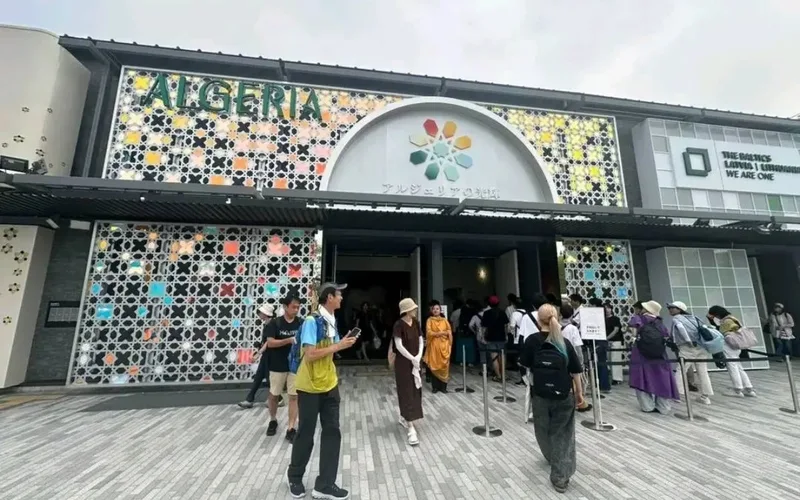
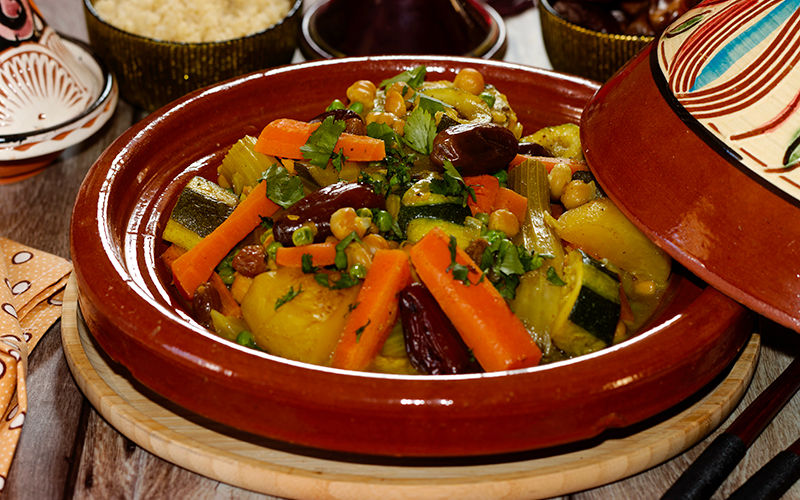
The Algerian Minister of Communication continues: "Our western neighbor has exploited, without moral scruples, the difficult situation that Algeria went through in the 1990s to pursue a project aimed at stealing everything that is Algerian, including symbols of resistance, men of science, culture, cuisine, architecture and singing," particularly citing couscous. "The neighbor attributes this national product to itself and it is an example among many other products that are unfairly attributed to it," he stated.
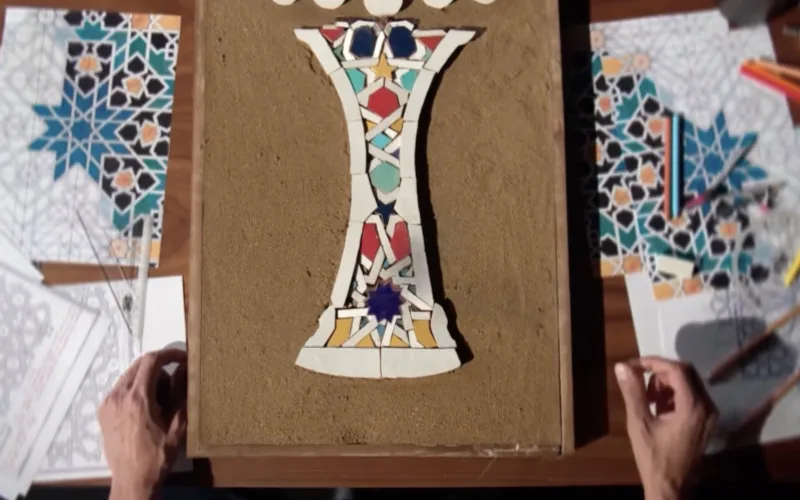
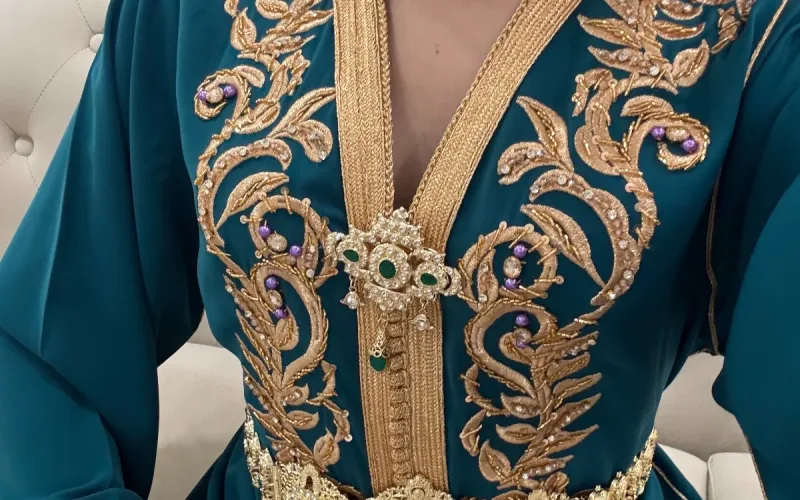
According to Mohamed Meziane, "all ancient historians say that couscous appeared for the first time in history in Algeria." However, couscous was officially inscribed on UNESCO’s Intangible Cultural Heritage list in December 2020, following a joint application from Morocco, Algeria, Mauritania and Tunisia, recalls Le360, noting that Abdelmadjid Tebboune’s country has been trying for several years to appropriate cultural elements of Moroccan heritage, including the caftan, zellige or mint tea.