
33,000 cars stolen in Spain: Why the Moroccan market is crazy about "classic" models
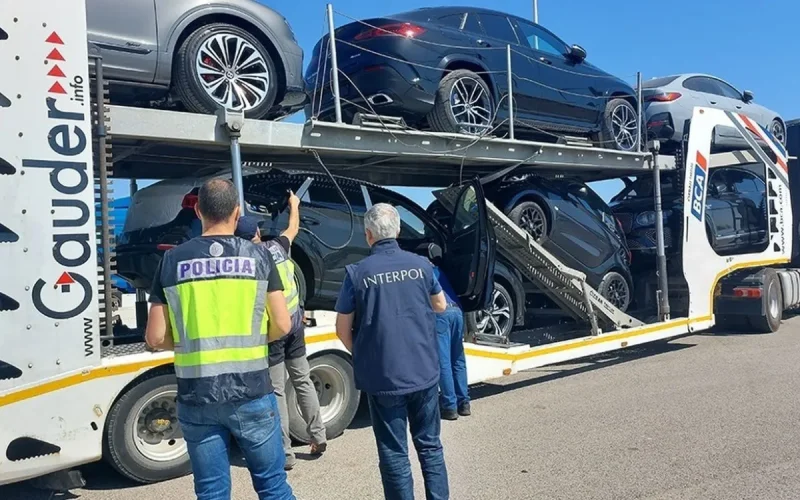
In 2025, more than 33,000 Spanish motorists were victims of car thefts, a traffic fueled by specific orders from Morocco. Criminal networks favor common, less technological models to supply the Moroccan black market.
In 2025, Spain recorded 33,032 vehicle thefts, organized crime that sows insecurity in Catalonia, Madrid and Andalusia. For many victims, the observation is bitter: "People tell me to resign myself, that my car is probably already in Morocco. Most of what they steal goes there," confides a victim to El Español.
According to recovery experts, these offenses serve three objectives: dismantling for spare parts, use for other crimes or export. In the latter case, the destination is often determined by the model. "In Morocco, they prefer cars that don’t have as much technology and are not as recent," explains Miguel Ángel Plaza, manager of World Cars.
Criminal networks often work on specific "orders" from Morocco, targeting popular models like the Seat León. These vehicles are in demand because they do not require complex technological advances for maintenance, unlike high-end models that are generally redirected to Eastern Europe. Thefts on order for the Moroccan market
The modus operandi is quick, rarely exceeding five minutes thanks to the frequent use of duplicate keys. A common technique is to "put the vehicle to sleep" for two or three days in an isolated place to check if it is equipped with a GPS tracker before transporting it to clandestine hangars or loading ports.
The timing of the thefts, mostly at night, gives the offenders considerable leeway. Between the time of the offense and the filing of the complaint in the morning, the cars are often already hidden or in transit. This efficiency explains why areas close to major logistics hubs are the hardest hit by this scourge.
Currently, 60% of victims never recover their property. If the recovery rate reaches 40%, it drops drastically after the first five days. Once the borders to Morocco or Eastern European countries are crossed, legal obstacles make any restitution virtually impossible for the injured owners, despite sometimes precise identification of the vehicle’s location.
Related Articles
-

Is Morocco a reliable partner? Spain contradicts itself amid the Ceuta crisis
24 August 2026
-

Ceuta: after the crisis with Morocco, Sánchez calls in the army, intelligence services and his ministers
24 August 2026
-

Amid crisis with Spain, Morocco depends on it for 8 % of its electricity
23 August 2026
-

The world’s leading producer, Spain multiplies its purchases of Moroccan olive oil by 90
23 August 2026
-

Near Barcelona, Moroccans are the top foreign buyers in a city where prices are soaring
23 August 2026