World Cup Billions Threaten Morocco's Economy
The International Monetary Fund anticipates positive spillovers for the Morocco’s massive investment plan by 2030. Growth should accelerate, provided debt is controlled and budget management of future projects is secured.
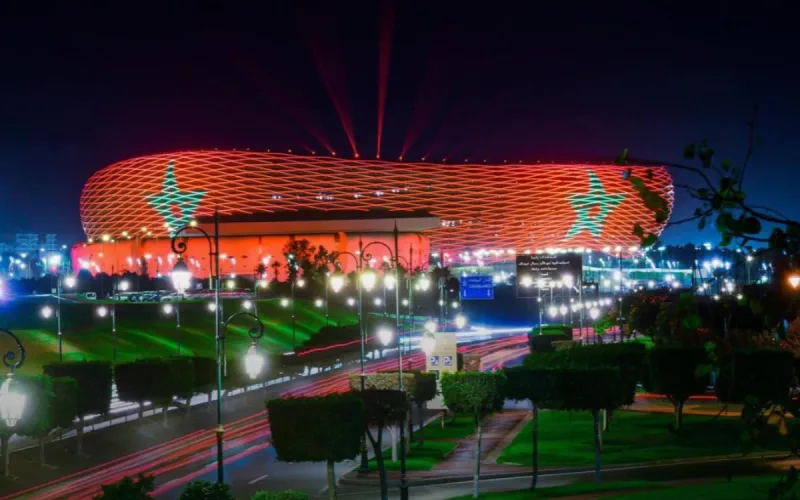
In preparation for the 2030 World Cup, the Kingdom plans to accelerate public spending to 190 billion dirhams. According to a recent IMF analysis, this program could increase real GDP by 2% by the end of the decade, climbing to 3% in the longer term thanks to productivity gains. This dynamic reflects a strong trend from the executive branch. As Prime Minister Aziz Akhannouch emphasized in mid-April, this overall envelope increased from 230 to 380 billion dirhams between 2021 and 2026, reflecting the government’s desire to rehabilitate state investment as a tool for "consolidating economic sovereignty."
On Bladi.net : The IMF’s warning to Morocco behind the euphoria of major projects
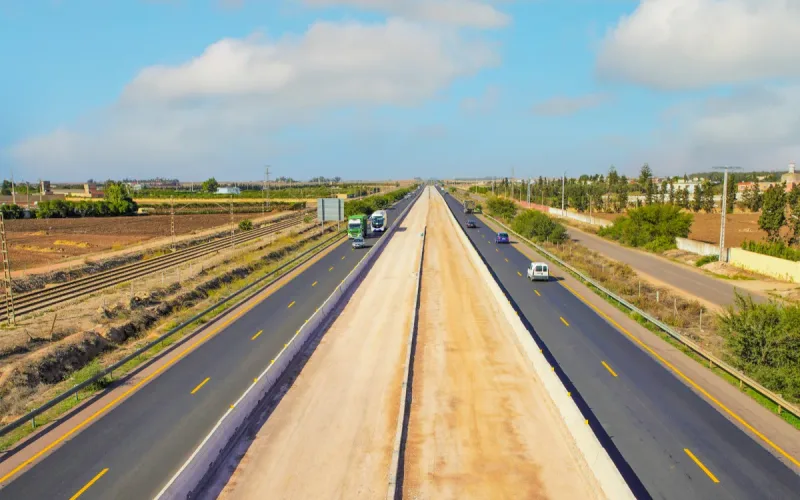
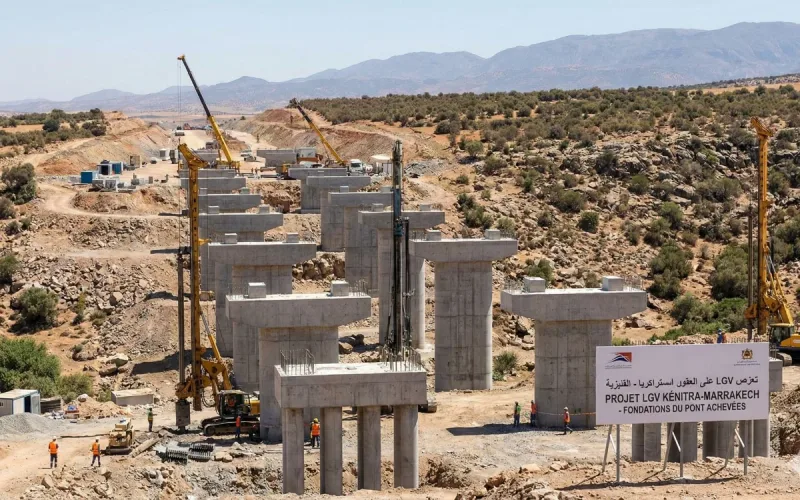
This vast plan, representing 11.9% of GDP over the 2024-2030 period, prioritizes connectivity and tourism. The financing details include modernizing railway networks (6% of GDP), airports (2.4%), and road infrastructure (0.9%). Added to this are the construction and renovation of sports facilities, which will capture 2.2% of gross domestic product, as well as improvements to urban development.
While the IMF recognizes the potential of these projects, it warns of inevitable collateral effects. The high proportion of imported goods, estimated at 60% of spending, will mechanically widen the current account deficit. Furthermore, massive recourse to public borrowing will increase debt by 7 to 8% through 2030 and generate a crowding-out effect. Concretely, the rise in sovereign risk premium will increase interest rates, temporarily slowing private investment before an expected rebound from 2031 onward.
On Bladi.net : Roads: Morocco launches a massive plan
To guarantee the viability of this macroeconomic strategy, the financial institution sets strict conditions. The program’s success will depend on rigorous management that mitigates the risks of construction cost overruns. The IMF also insists on the obligation to integrate future maintenance costs of these new infrastructures into the budget now, an essential step to sustain this long-term growth.