2026: Morocco shifts into high gear - but a major challenge remains
The year 2025 will have marked a turning point with the return of rains and the organization of the African Cup of Nations. For 2026, Morocco is changing scale: the national economy should accelerate its growth, driven by an unprecedented volume of public investment in preparation for the 2030 World Cup. While macroeconomic indicators are in the green, the challenge of employment remains the major concern.
Morocco’s Gross Domestic Product (GDP) should record growth of around 5% this year, its highest level in four years (compared to 3.8% in 2024). This improvement is based on a triple engine: a promising agricultural season thanks to a rainy end of the year, the current dynamism of tourism related to the 2025 African Cup of Nations, and above all, the acceleration of infrastructure investments.
A historic public investment of 380 billion dirhams
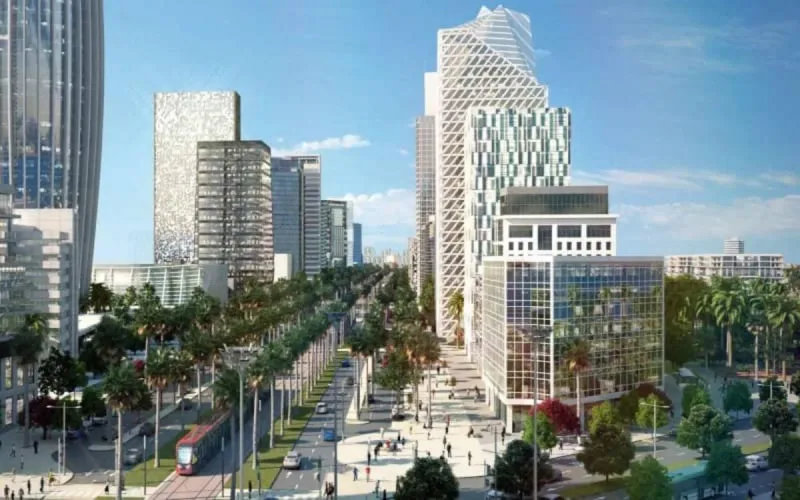
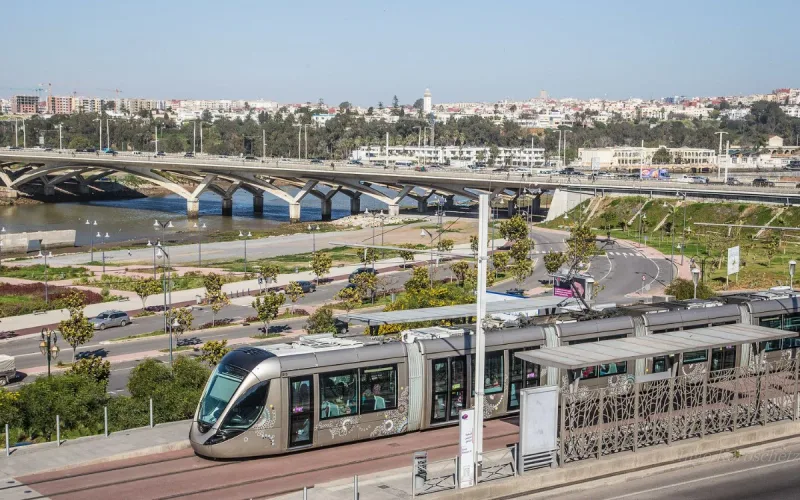
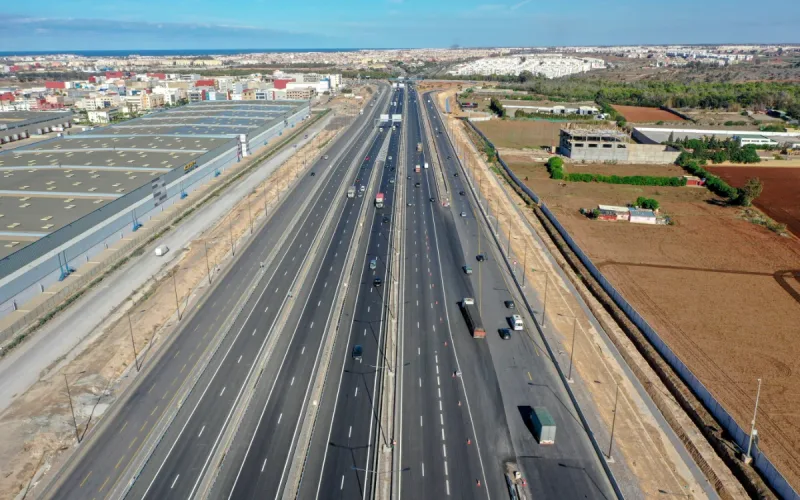
The government has opened the floodgates to prepare for the 2030 World Cup. Public investment should reach 380 billion dirhams in 2026, an increase of 12% representing 21% of GDP - a historic record. These funds, led in particular by the Mohammed VI Fund for Investment, aim to modernize the rail network, extend the motorways and build two new ports. The flagship project remains the future large stadium in Casablanca (Benslimane), with a capacity of 115,000 seats, intended to be one of the largest in the world. At the same time, the Kingdom aims to double the capacity of its airports to reach 80 million passengers by 2030, in order to accommodate the 26 million tourists targeted (compared to 17.4 million last year).
Moroccan companies in the front line
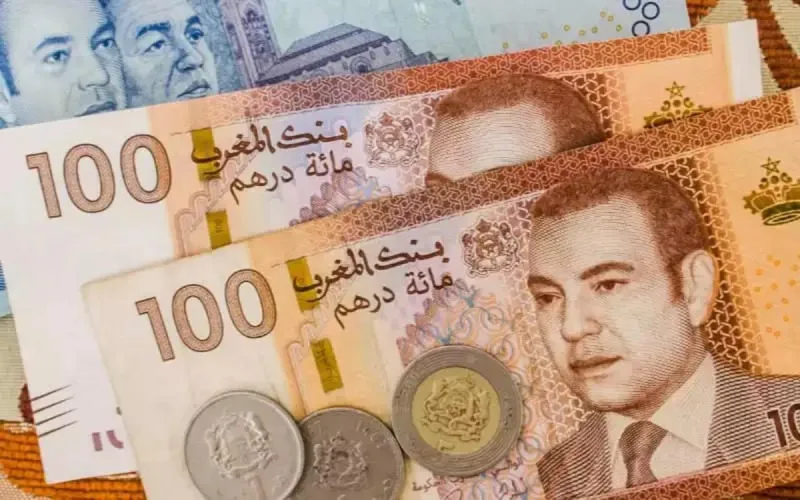
A notable fact for investors: it is the national champions of the construction industry who capture the majority of these markets, despite foreign competition. Listed companies on the Casablanca Stock Exchange such as TGCC, SGTM or Jet Contractors are seeing their order books explode, supporting the performance of the stock market. To finance these ambitions without widening the deficit (the goal is to bring it back to 3% of GDP), the Executive is using "innovative financing". Fouzi Lekjaa, the delegate minister in charge of the Budget, confirmed the mobilization of more than $13 billion through the sale and leasing of public real estate assets.
The shadow of unemployment persists
Despite these flattering figures, the Moroccan economy must still convert the attempt on the social front. The unemployment rate exceeds 13% and reaches a critical level of 38% among young people. A growth of 5% remains insufficient: a rate of 8% would be needed and the transition to high value-added industries would have to be successful to absorb this structural unemployment and reduce dependence on climate hazards. In this context, Bank Al-Maghrib maintains a prudent policy, keeping its key rate at 2.25% to support investment while monitoring inflation, which has returned to a downward trend (-0.3% in November).