The IMF's warning to Morocco behind the euphoria of major projects
Since 2005, infrastructure has generated 20% of Moroccan growth according to the IMF. The country is accelerating its investments to reach 12% of GDP annually by 2030, aiming for a major economic leap despite the challenges related to public debt.
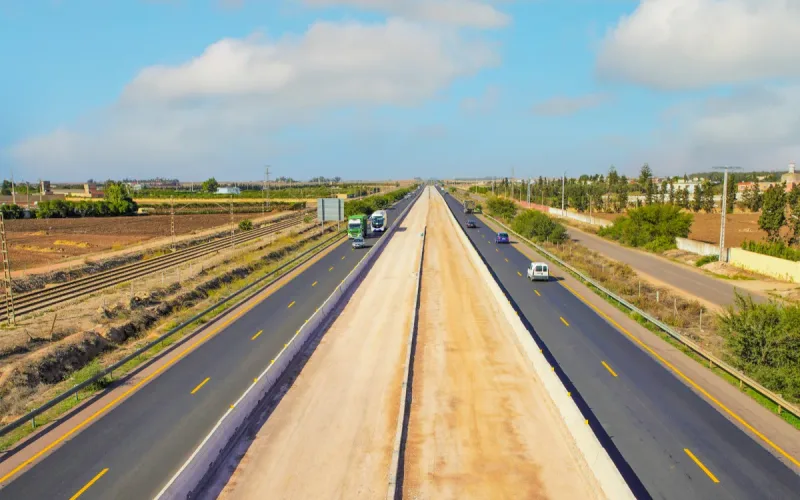
Infrastructure has become the foundation of Morocco’s economic development. Since the mid-2000s, ports, transportation, and telecommunications have boosted national productivity. The IMF estimates that these improvements have contributed to nearly a fifth of the country’s productive growth, outperforming the performance of North Africa and the Middle East. The Tanger Med port, now the largest port infrastructure in Africa and the Mediterranean, symbolizes this rise in global maritime connectivity.
On Bladi.net: Morocco at the gates of Investment Grade: Moody’s new boost
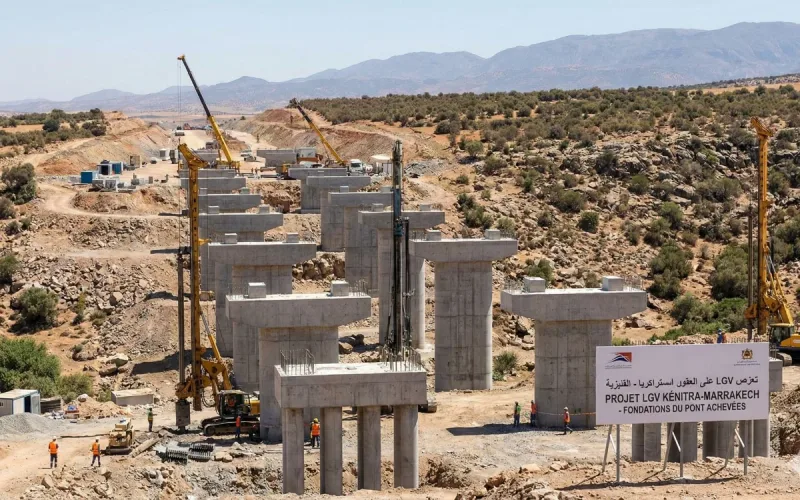
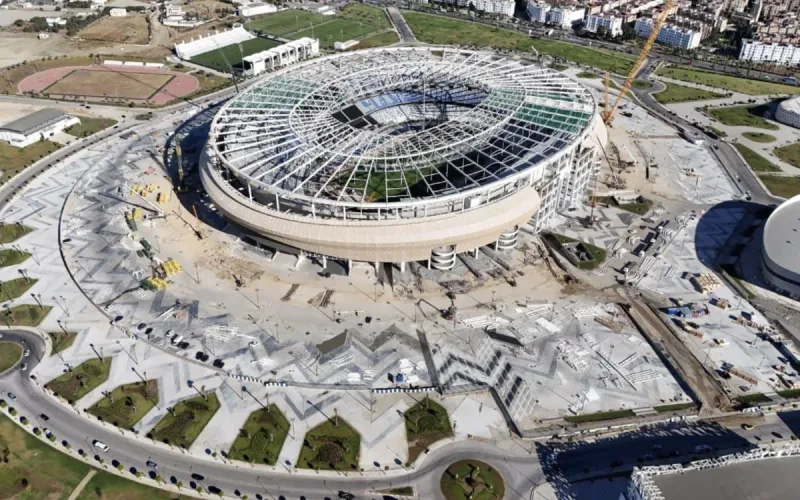
The Kingdom now plans a major acceleration of its public investments until 2030. Nearly 12% of annual GDP will be allocated to the modernization of railways, airports, roads, and stadiums. These massive projects are notably aimed at preparing for the 2030 World Cup. Public companies will carry most of the financing through concessional loans, complemented by budgetary support from the State and local authorities.
The impact on the real economy is expected to be significant in the medium term. The IMF’s analysis forecasts a 2% increase in real GDP by 2030, and 3% after 2031 thanks to productivity gains. However, this dynamism is accompanied by a financial challenge: public debt should increase by 7 to 8% of GDP by 2030. It should only gradually decline, supported by revenue from the use of new infrastructure and strengthened economic growth.
On Bladi.net: The 2030 World Cup could significantly accelerate Morocco’s growth
To ensure sustainable development, rigorous management of costs and efficiency will be crucial. The report warns against the risks of budget overruns and maintenance costs. Maximum spending efficiency could boost GDP in the long term by up to 4%. To succeed in its bet, the country must "closely monitor off-balance sheet debt" and fully integrate the maintenance of structures into its future budgets in order to protect its public finances.