
Why Algeria is jubilant and Morocco is worried about the Ormuz blockade
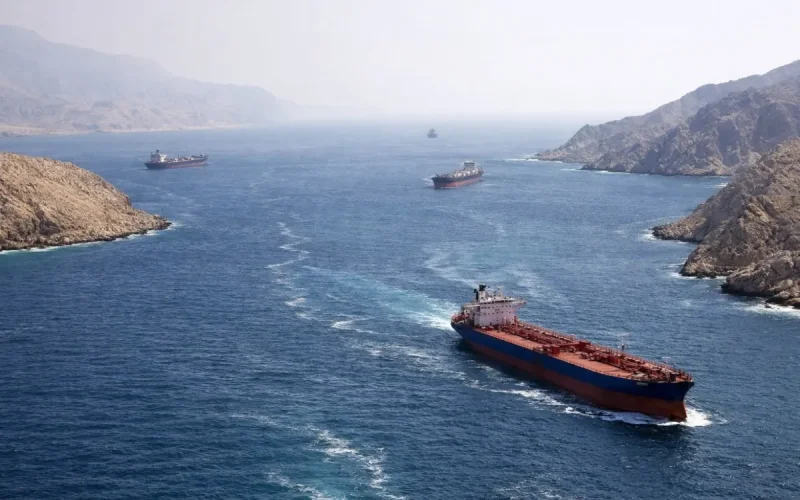
The military escalation in the Middle East is causing contrasting shockwaves in the Maghreb. While Algeria and Libya are benefiting from the surge in hydrocarbons, Morocco and Tunisia fear a fiscal earthquake linked to their energy dependence.
The strategic closure of the Strait of Hormuz and the strikes against Iranian oil sites are creating "asymmetric" effects in North Africa. For producers like Algeria and Libya, the rise in prices is strengthening national revenues. Conversely, Rabat and Tunis fear a "real fiscal and social nightmare" due to the rise in transportation and food prices.
Nadia Fettah, Moroccan Minister of Economy, is counting on the Kingdom’s "energy mix" to mitigate these disruptions, as the country imports 90% of its needs. In this climate of uncertainty, Morocco is trying to position itself as an "island of stability" for Western investors, appearing more reliable than the Gulf monarchies directly exposed to the conflict, explains EFE.
Political divisions are accentuating in the face of Tehran. Morocco, without diplomatic relations with Iran since 2018, sees a weakening of the Persian regime, which it accuses of arming the Polisario Front via Hezbollah, in a positive light. In contrast, Tunisia and Algeria are watching the situation with concern, fearing a similar fate to their Iranian partner.
The reactions to the February 28 bombings illustrate these fractures. While Algiers and Tunis have avoided condemning the American-Israeli strikes, Rabat and Libya have denounced the Iranian reprisals against Arab countries. Morocco reaffirms its alliance with Washington while consolidating its strategic partnership with Russia, marked by a recent exchange between Nasser Bourita and Sergei Lavrov.
The Kingdom is also strengthening its ties with the Gulf countries, particularly the United Arab Emirates, which captured 19% of foreign investment in Morocco in 2024 with $280 million. This economic and security solidarity allows Rabat to navigate a turbulent area while limiting the risks of religious proselytism associated with Shiite influence.
For experts, the duration of the economic shock will be the determining variable. If the crisis persists, the impact on logistics chains and trade could permanently reshape the regional chessboard. This high-tension context could paradoxically favor a rapprochement between Rabat and Algiers, the latter seeking to cultivate its relations with the United States on the Western Sahara issue.
Related Articles
-
Europe now buys €25.5 billion from Morocco, and agriculture is no longer dominant
19 September 2026
-
Royal Air Maroc gains 12 places and becomes Africa’s best regional airline again
19 September 2026
-

The dirham falls for the third consecutive week: 1,000 euros now bring in 131 more dirhams
19 September 2026
-

After Nadorcott, a new Moroccan mandarin is protected in Europe until 2056
19 September 2026
-
Hormuz Threatens Global Fertilizer Supplies: Morocco Holds an Asset That Has Become Strategic
19 September 2026