Morocco
Morocco's Alcohol Tax Revenue Surges, Exceeding Government Projections
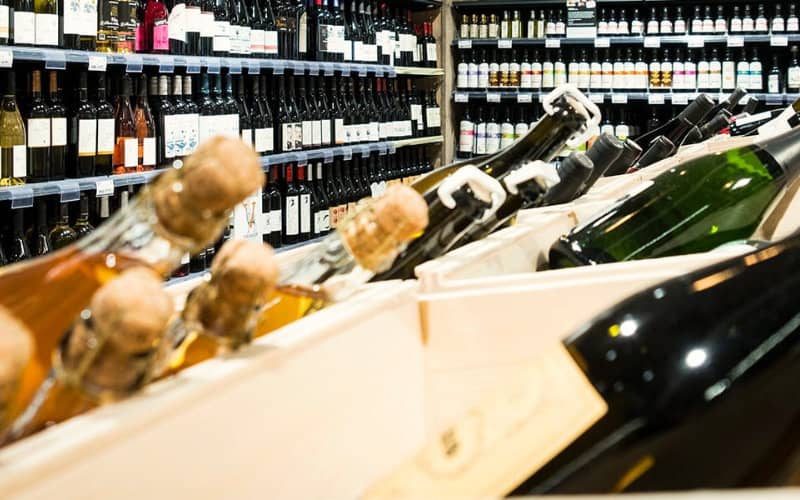
In 2021, revenue from fees imposed on the consumption of alcoholic beverages saw a significant increase, exceeding the government’s forecasts included in the Finance Act.

In 2021, revenue from fees imposed on the consumption of alcoholic beverages saw a significant increase, exceeding the government’s forecasts included in the Finance Act.

The government will hold a council this Thursday, under the chairmanship of Aziz Akhannouch. On the agenda of the work, among other things, a draft decree on the application of the value added tax provided for in the General Tax Code.
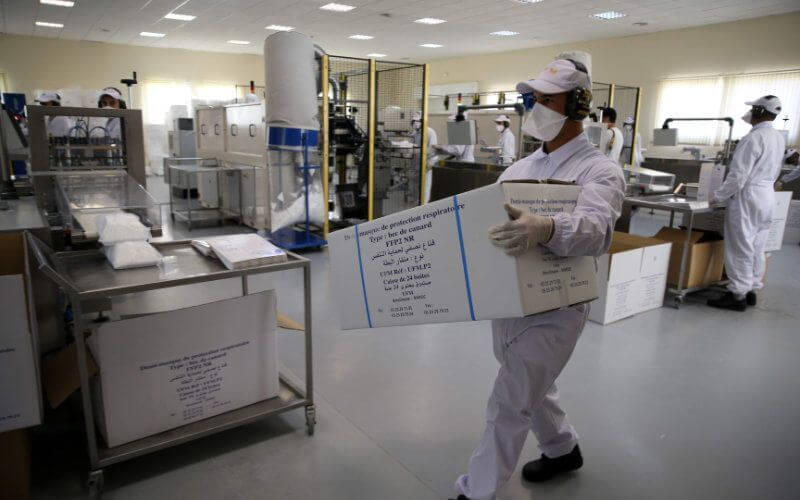
The refund of VAT arrears for private companies announced by the government will start next week and will be gradual until April 2022.
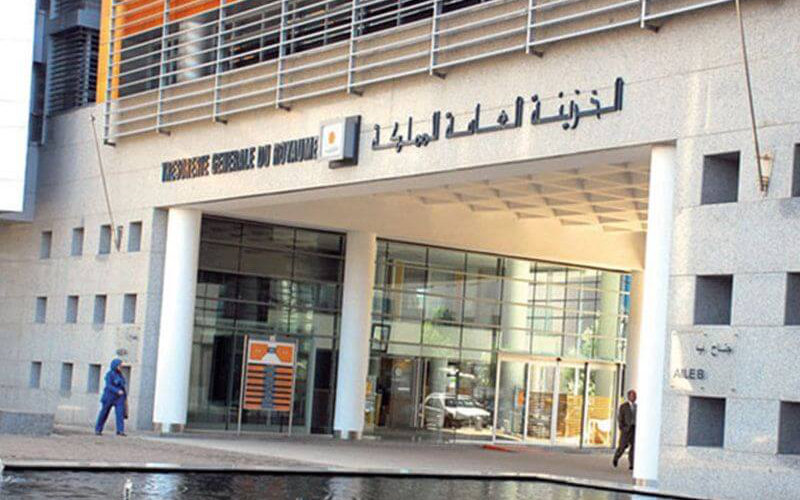
At the end of last November, customs revenue reached more than 63.29 billion DH, marking a 24% year-on-year growth, according to the General Treasury of the Kingdom (TGR).
The government will soon proceed to repay debts to companies. A minimum of 1 billion dirhams will be paid by the end of next December.

Winner of the September 2021 legislative elections, the RNI has estimated its electoral program at 270 billion dirhams for the next five years. Tax expert and former president of the Hassan Premier University of Settat, Mohamed Rahj, analyzes this decision, following the promise of this party not to increase existing taxes and not to create an additional tax.
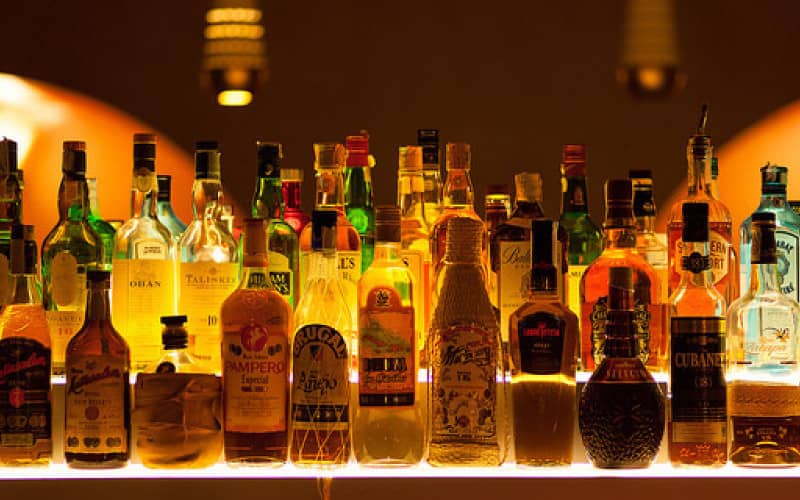
Taxes on the consumption of alcohol and beer brought in about 619 million dirhams to the state’s accounts in the first half of 2021. This is indicated by data from the General Treasury of the Kingdom (TGR).
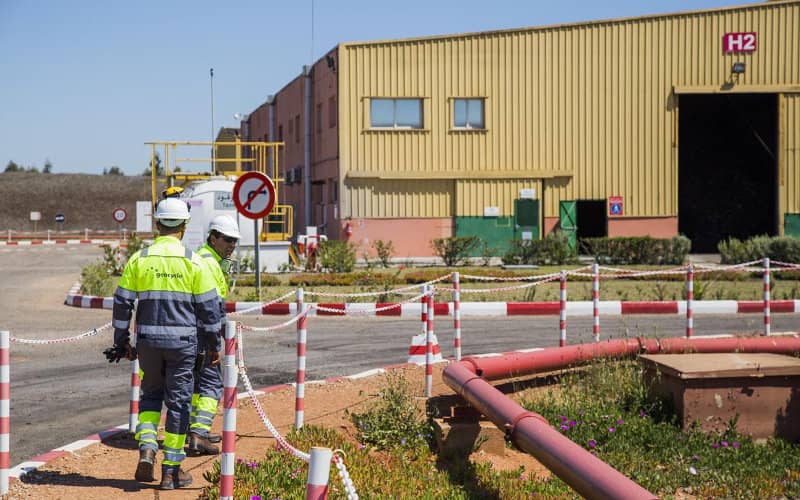
The Directorate General of Taxes has noted a divergent evolution of revenues from corporate income tax (CIT) and personal income tax (PIT) revenues. While CIT is down 13.2%, PIT is recording double-digit growth. This opposite evolution of tax revenues is not without consequences.
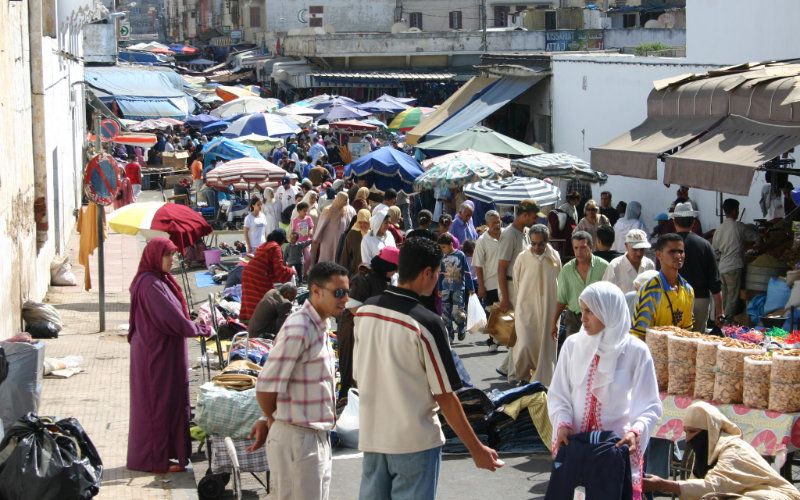
Value Added Tax (VAT) represents "the main tax component" that informal sector players fear the most. This is the result of a study carried out by the High Commission for Planning (HCP).
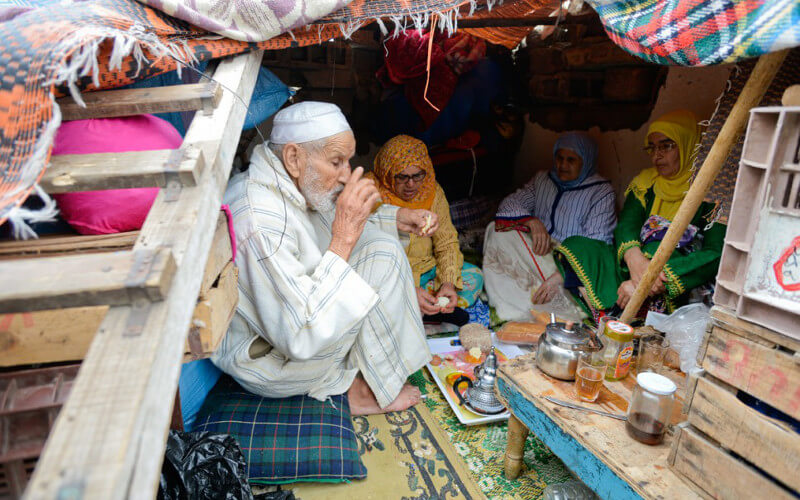
Faced with the persistence of social inequalities in these times of Covid-19, Oxfam Maroc makes the diagnosis and formulates several recommendations.
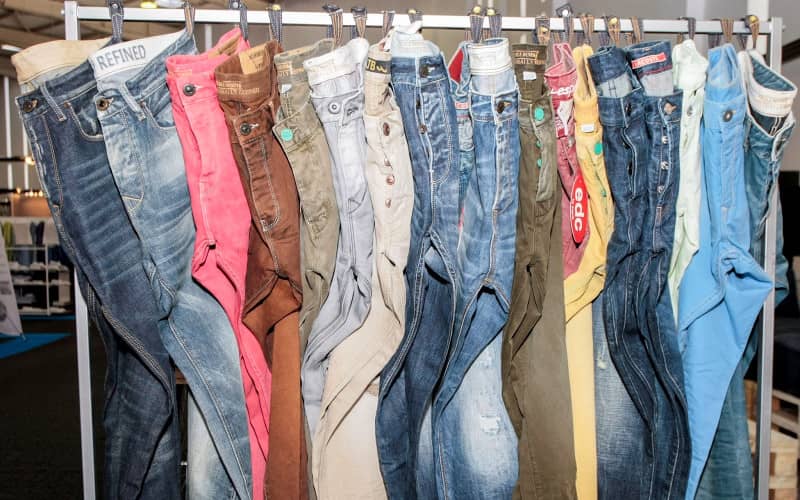
The health crisis due to Covid-19 has not spared the textile sector. Faced with the constant threat to the sector’s production capacities, there are fears of plant closures and layoffs.

The issuance of fictitious invoices will now be severely punished by the Directorate General of Taxes (DGI) . On Thursday, November 12, an amendment was proposed in this direction and adopted in the Finance Committee.