The use of the argan tree in Essaouira (Morocco) dates back 150,000 years, a major discovery
Recent archaeological research has just revolutionized the understanding of human history in the Essaouira region. Experts announced on Sunday that the exploitation of the argan tree by humans dates back more than 150,000 years, making this practice one of the oldest known examples of sustainable resource management.
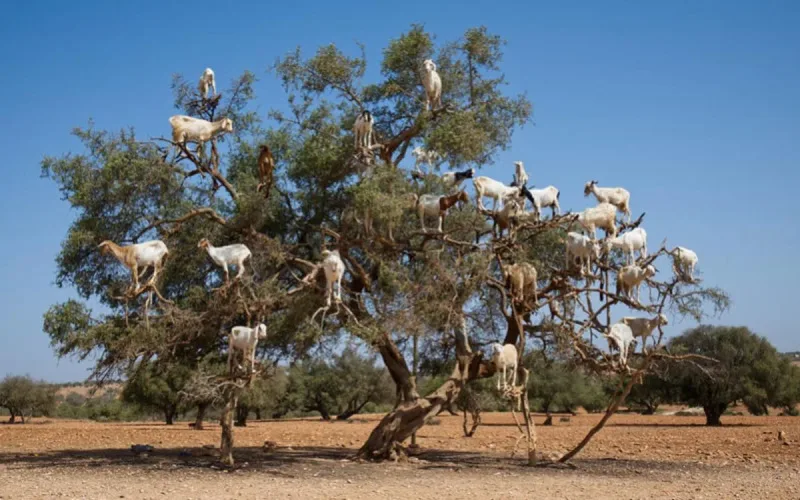
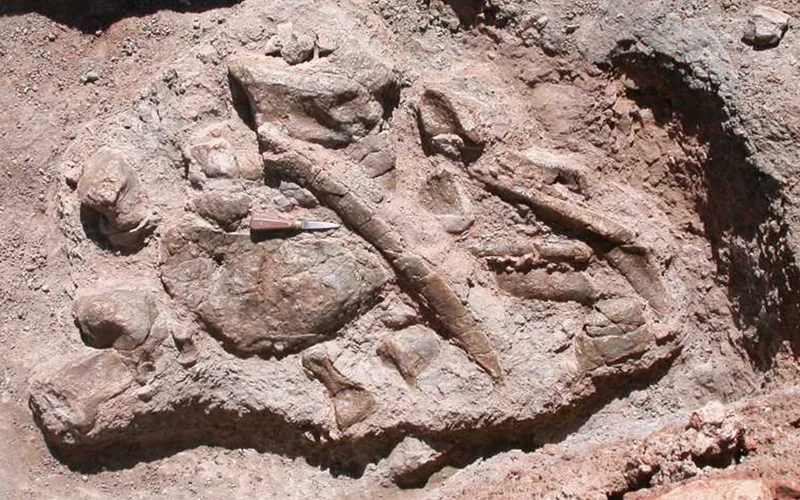
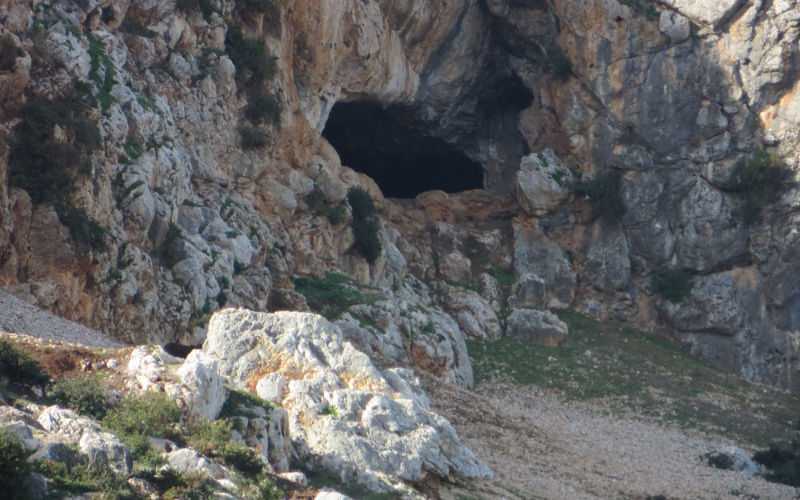
This revelation was made during a scientific conference organized at Bayt Dakira by the National Institute of Archaeological and Heritage Sciences (INSAP), in the presence of André Azoulay, advisor to King Mohammed VI. The conclusions are based on excavations carried out at Bizmoune and Jbel Lahdid, sites where the oldest ornamental jewelry in the world, dating between 142,000 and 150,000 years, had already been discovered.
According to Abdeljalil Bouzouggar, director of INSAP, these remains not only prove continuous human occupation, but also that the region was a "remarkable center of human innovation". Scientific analyzes, including the study of organic remains, have made it possible to reconstruct the plant landscape of the time and to confirm the stable presence of the argan tree over 150 millennia.
An ancestral know-how for food and cosmetics
The researchers have highlighted sophisticated prehistoric techniques for transforming natural resources. Ismail Ziani, a member of the archaeological team, stressed that these studies attest to an ancestral know-how used for food and cosmetic production, demonstrating an exceptional cultural continuity over tens of thousands of years.
For Rania Khouya, provincial director of culture, these discoveries enrich the local scientific heritage and position Essaouira as a unique prehistoric site in North Africa. This work also sheds light on the survival and adaptation strategies to climate change of ancient populations in this crossroads region.