“They are afraid of Morocco”: Podemos casts doubt on Pedro Sánchez
Podemos leader Ione Belarra accuses the Spanish government of being “afraid” of Morocco. She insinuates that Rabat may possess sensitive information about Pedro Sánchez, without providing the slightest evidence to support the accusation.
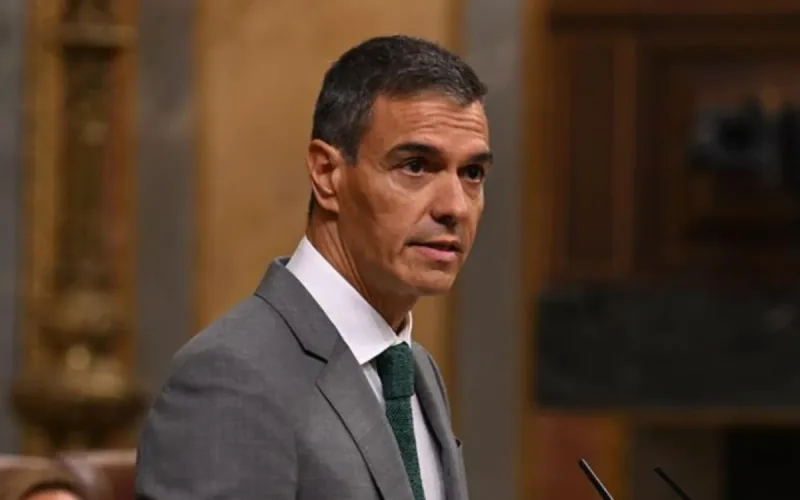
Ione Belarra made the accusation on Saturday in Madrid, during a meeting of Podemos’s Citizens’ Council. The party’s secretary-general criticized the Spanish government’s handling of the migration crisis in Ceuta.
“They are afraid of Morocco and do not want to break off relations with a totalitarian country that violates human rights,” she declared, according to the EFE news agency.
On Bladi.net : “Until the End of Time” versus “Not a Centimeter”: Morocco and Spain’s Standoff over Ceuta
The politician then went much further. According to her, Morocco may have “too much information about the Spanish president.” She suggests that this situation would explain Madrid’s caution toward Rabat and its desire to preserve their migration cooperation.
Ceuta transformed into an “open-air prison”
The Podemos leader also accuses Pedro Sánchez’s government of having turned Ceuta into “one large open-air prison” and of “digging its own grave” out of fear of damaging its relations with Morocco.
She criticizes Madrid for allowing Rabat to do “the most violent and dirtiest work at the borders.” Ione Belarra also claims that more than 180 people lost their lives this summer while attempting to reach Spain and denounces the fate of the victims who have still not been identified.
On Bladi.net : Ceuta and Melilla: Spain toughens its stance and warns Morocco
This attack comes as Morocco’s responsibility for the mass crossings of July 30 continues to divide Spain’s political class. Pedro Sánchez recently acknowledged that Moroccan forces had allowed migrants to pass for approximately ten hours, while asserting that there was no evidence to accuse Rabat of organizing the arrival of more than 70,000 people in Ceuta.
The Spanish head of government thus continues to defend cooperation with Morocco, which he considers essential for controlling the border and organizing the return of migrants. For Ione Belarra, this caution would conceal a genuine fear of Rabat. A particularly serious accusation, but one that at this stage remains entirely unsupported by evidence.