Six Moroccan Lakes Have Dried Up Completely as Farming and Water Extraction Worsen Drought
Six of the eight lakes in the Middle Atlas studied by scientists dried up completely between 2017 and 2024. But lack of rain is not the only cause. Intensive agriculture and the over-extraction of groundwater are worsening a crisis that also threatens fish and local communities.
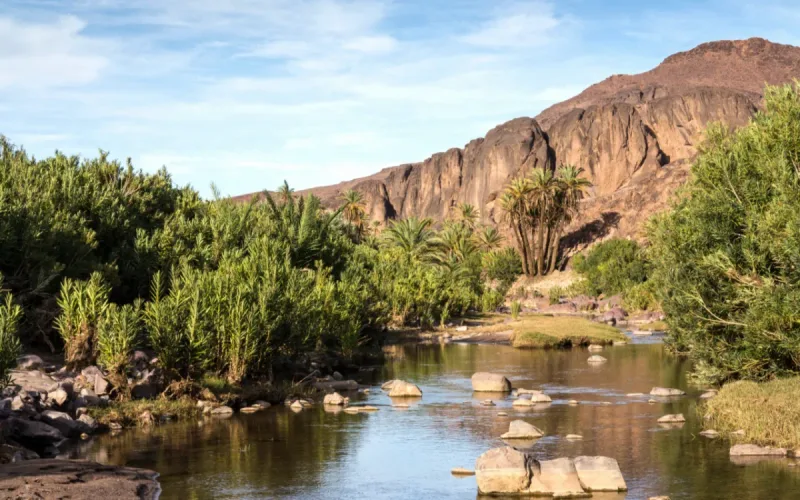
Entire lakes have disappeared from the Middle Atlas landscape. Where vast stretches of water once stood, satellites now show dried-up ground. A scientific study published in the Journal of Arid Environments finds that six of the eight Moroccan lakes examined dried up completely between 2017 and 2024. The other two lost a considerable share of their surface area. Researchers attribute the phenomenon to both climate change and growing pressure from human activity.
The study, conducted by a team of five researchers led by Yassine Baladia, used images from the European Sentinel-2 satellite, supplemented by field observations. The findings are particularly striking. The lakes Dayet Ifrah, Hachlaf, Aoua, Afennourir, Afourgagh and Tamda all dried up completely. Aguelmam Azegza and Aguelmam Sidi Ali, which still held water, had lost 52% and 34% of their water surface, respectively.
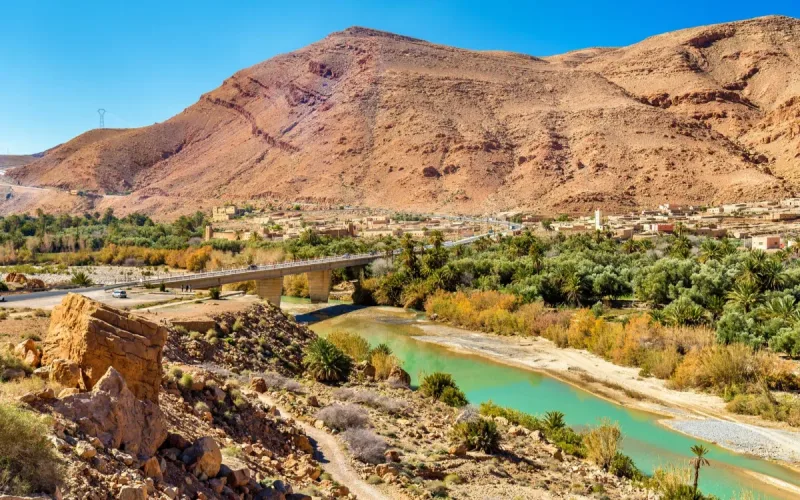
These figures are based on observations made through 2024. They do not necessarily describe how full each lake was in October 2026. But they reveal a profound deterioration in the Middle Atlas’s natural resources, in a region often called Morocco’s “water tower” because of its many springs and its role in supplying the Sebou and Oum Er-Rbia basins.
The situation at Lake Tamda had already raised concerns. In August 2024, a Moroccan MP warned that it was gradually disappearing, highlighting the consequences for local residents, tourism and agriculture. He blamed successive years of drought, as well as the growing number of wells being dug in the surrounding area.
Agriculture and groundwater pumping are worsening the lakes’ disappearance
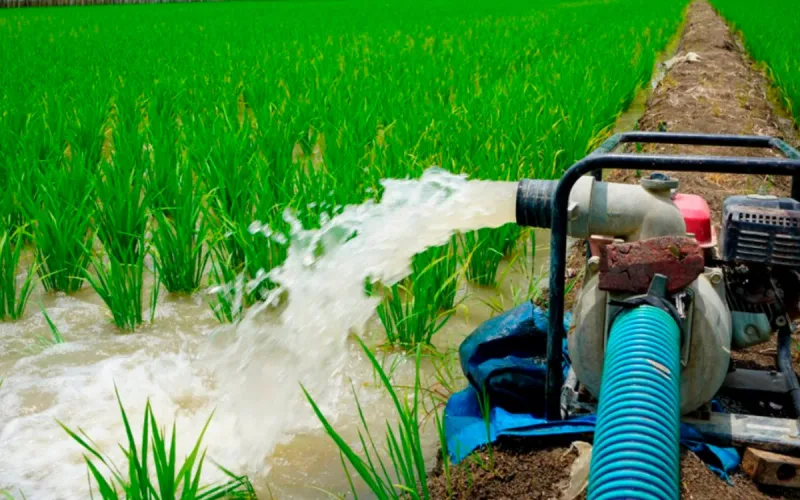
It is this second factor that has drawn scientists’ attention. Rising temperatures, declining rainfall and heat waves increase evaporation. At the same time, the expansion of irrigated farmland increases withdrawals from groundwater and surface water resources. The reserves that naturally feed the lakes are then depleted more quickly.
Speaking to Al Jazeera on October 14, Leïla Mandi, a water sciences specialist and member of the African Academy of Sciences, says these different factors reinforce one another. When several years of drought occur in a row, intensive groundwater pumping can prevent lakes from returning to their usual levels, even after rainfall returns.
The consequences go beyond the disappearance of landscapes. Researchers found local fish populations had become extinct in dried-up lakes. Bird habitats and those of other aquatic species are also deteriorating. Fishing, tourism and agricultural activities that depended on these wetlands are likewise suffering from water shortages.
The risk is that drying episodes that were once seasonal will turn into lasting damage to ecosystems. Leïla Mandi says rainfall, groundwater levels, water surface areas and biodiversity must now be monitored at the same time. The specialist stresses the need to regulate water withdrawals and protect the springs that naturally feed wetlands.
The issue also affects farmers and residents of mountain regions. The researcher calls for degraded sites to be restored, waste to be reduced and local communities to be involved in their protection. In the Middle Atlas, preserving these lakes therefore depends as much on the rains to come as on the amount of water drawn from the surrounding land.