Morocco Water Crisis: Breaking Free from Rain Dependency
Struck by seven years of extreme scarcity, Morocco is deploying a massive arsenal to secure its water supply. While the water crisis appears to be receding in early 2026, the kingdom is already anticipating future climate shocks to prevent depletion.
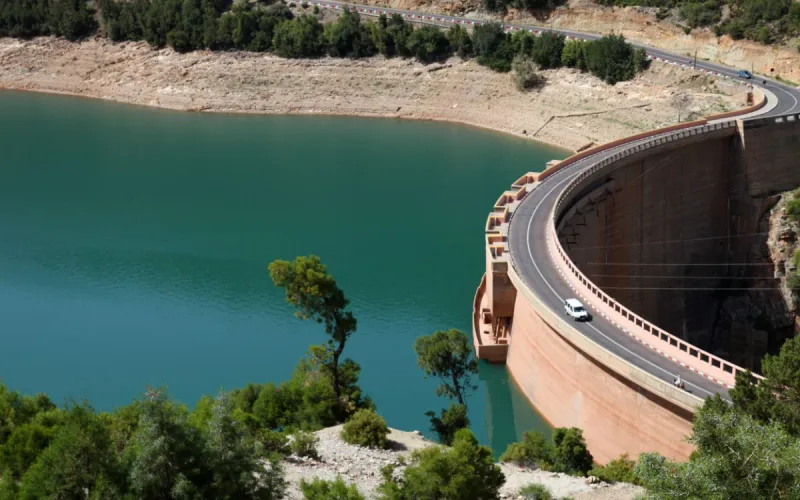
Between 2018 and 2024, the kingdom experienced an unprecedented arid period, drastically depleting its reserves. In the Oum Errabiâ basin, the level of dams collapsed, dropping from 57% to 5% in six years. This critical situation is explained by very unevenly distributed rainfall: half of the precipitation falls in the north, an area representing barely 7% of the territory. Meanwhile, demand is skyrocketing. The share of water per capita has fallen from 2,560 cubic meters in the 1960s to 600 today, dangerously approaching the scarcity threshold defined by the World Bank, while agriculture absorbs more than 80% of resources.
On Bladi.net : Morocco brings out the heavy artillery with 5.5 billion euros to avoid thirst in 2026
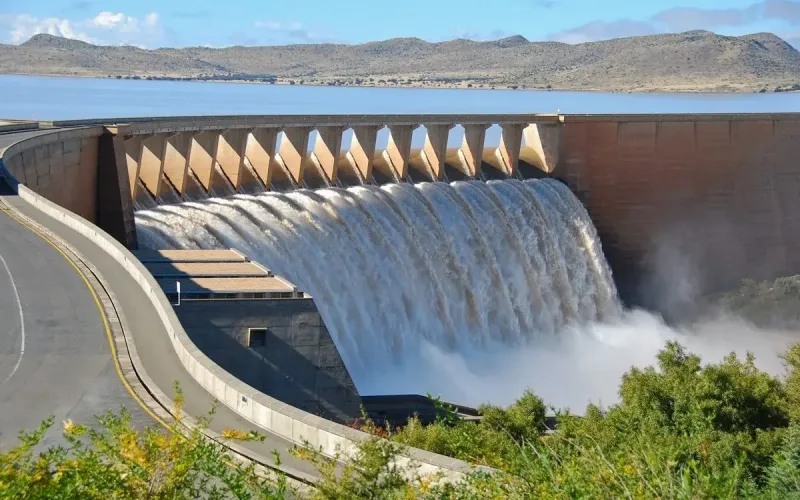
Facing this absolute emergency, mobilization at the highest level of the state was triggered in autumn 2022 to accelerate vital projects. One of the flagship measures remains the creation of a true "water highway," designed to transfer the resource from northern regions to the densely populated and water-deficit urban axis of Rabat-Casablanca. Additionally, the historic policy of building retention basins is intensifying. In early 2026, the country already had 158 large infrastructures of this type, while fourteen new projects are currently underway to cover rural territories.
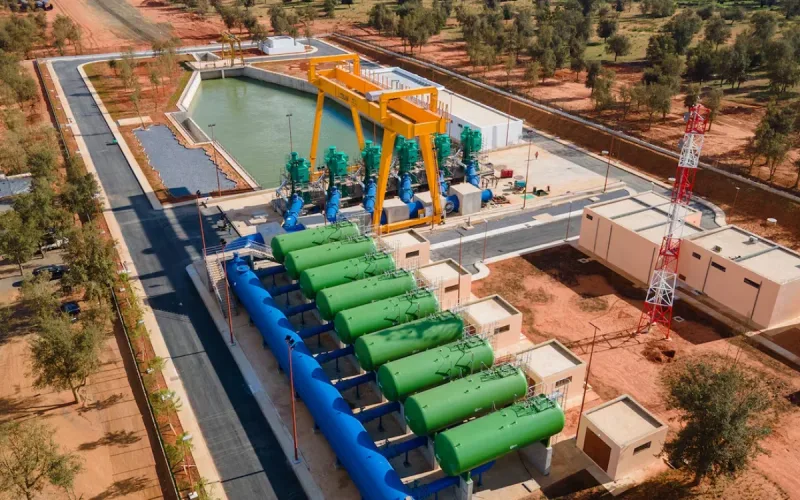
To reduce its dependence on weather vagaries, the government is betting heavily on unconventional resources, with seawater desalination leading the way. As the daily L’Opinion indicates, the capacity of these plants jumped from 46.4 million cubic meters in 2021 to over 410 million today. The objective is colossal: reaching 1.7 billion by 2030 so that this technology provides up to 60% of national drinking water. In parallel, wastewater reuse should expand to agricultural irrigation through legislative changes. Urban areas are also tracking leaks via intelligent digital tools to improve pipeline efficiency.
On Bladi.net : Morocco: End of 7 Years of Drought
This race against time is bearing fruit, greatly aided by the unexpected return of precipitation. On January 12, 2026, the government officially announced the end of this long period of scarcity. Thanks to five months of exceptional rainfall and snowfall, the dam filling rate even climbed to 75% on average in early April. However, this is not a time for complacency. "With climate warming, we know that such drought episodes will multiply," warns Salaheddine Dahbi, director general of hydraulics, alerting to a potential colossal annual deficit of 7 billion cubic meters by 2050 if action is not maintained.