
In Morocco, farmers will henceforth be monitored down to their water pumping
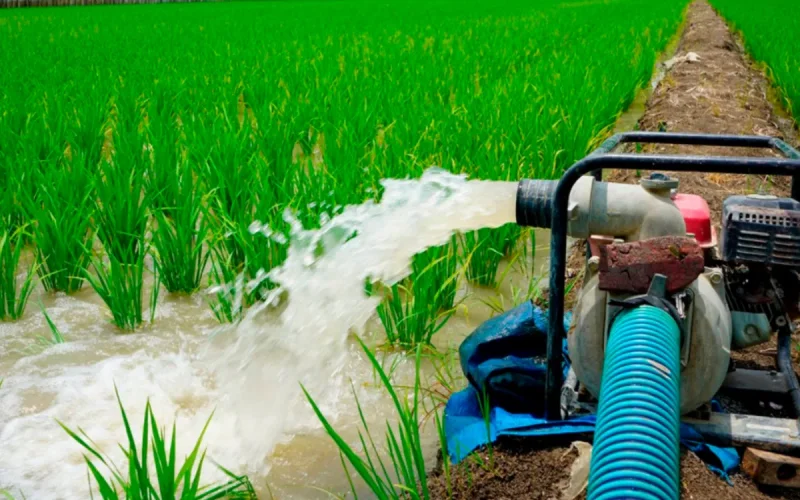
Morocco is extending controls over agricultural water withdrawals from the Meski-Boudnib aquifer in Errachidia province. A third phase of meters equipped with remote reading will make it possible to monitor remotely the volumes of groundwater pumped by farms.
The Tafilalet Regional Agricultural Development Office (ORMVA) has just launched a tender for the supply and installation of new meters and remote-reading systems in the area covered by the participatory management contract for the Meski-Boudnib aquifer.
The contract is estimated at 4.97 million dirhams. Interested companies have until October 12, 2026, to submit their bids, according to the notice published on September 17 and reproduced by BidsFactory.
Remote reading makes it possible to transmit the readings recorded by the meters from a distance. The administration will therefore be able to more easily determine the quantities of water withdrawn, without waiting for agents to visit each pumping point.
On Bladi.net : Moroccan Authorities Crack Down on Illegal Water Diversion Amid Drought Crisis
This is not the launch of an entirely new system. The tender concerns its third phase, confirming the gradual expansion of equipment among farms in the area.
The project is intended to make withdrawals more precisely measurable in a region where irrigated agriculture, particularly date-palm cultivation, places significant pressure on groundwater resources.
Agricultural water withdrawals become measurable remotely
Since October 2022, the Meski-Boudnib aquifer has been covered by a participatory management contract involving the State, water agencies, local authorities and farmers’ representatives. The system notably provides for the installation of meters at withdrawal points and monitoring changes in available resources.
The new phase is intended to strengthen this oversight. The data collected will make it possible to compare the volumes actually pumped with the commitments made under the contract and to better identify abnormal consumption.
This monitoring is becoming strategic in a country facing a lasting scarcity of water. Morocco is simultaneously developing dams, inter-basin transfers and desalination plants, but the cost of desalinated water still limits its use by many farmers.
On Bladi.net : Moroccan Sahara seawater desalination agricultural development
Groundwater monitoring therefore constitutes the other component of this policy. It should make it possible to better distribute a limited resource and reduce the risk that increased agricultural pumping will further weaken the aquifer.
With this third phase, withdrawals carried out in the Meski-Boudnib area will be able to be monitored more regularly and without systematic manual readings. The water pumped by farms thus becomes directly measurable remotely by the organizations responsible for managing the aquifer.
Related Articles
-

Morocco abandons GMT+1 after eight years: what will change from tonight
20 September 2026
-

An Accident Involving Your Car in Morocco May Prevent You from Leaving the Country
19 September 2026
-

Europe now buys €25.5 billion from Morocco, and agriculture is no longer dominant
19 September 2026
-

Royal Air Maroc gains 12 places and becomes Africa’s best regional airline again
19 September 2026
-

The dirham falls for the third consecutive week: 1,000 euros now bring in 131 more dirhams
19 September 2026