Scientists Reconstruct the Face of a 315,000-Year-Old Human from Morocco
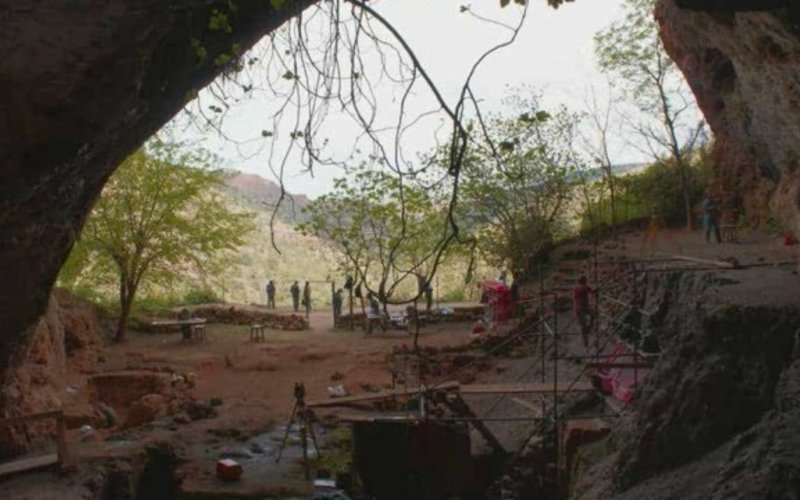
A broad nose, pronounced brow ridges and a face that already resembles ours. Researchers have reconstructed the appearance of a Homo sapiens from fossils found at Jbel Irhoud, Morocco, dating back around 315,000 years.
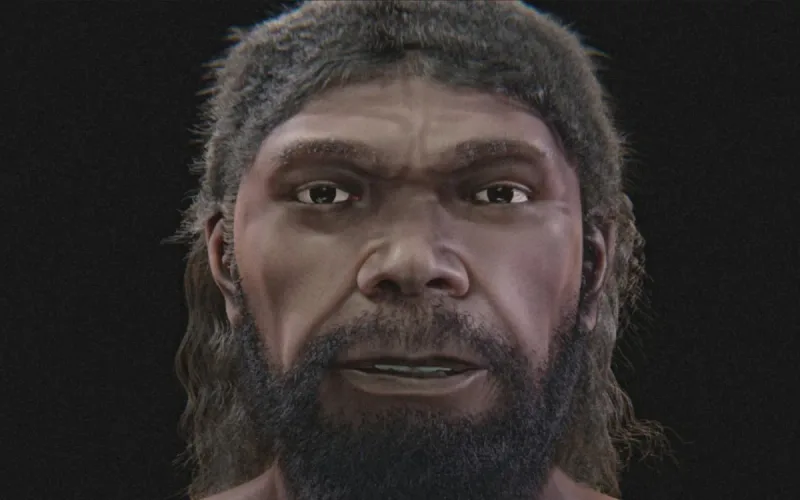
The team led by Brazilian specialist Cicero Moraes details its work in the journal Heritage on September 13. The reconstruction is based on a digital skull assembled from several fossils discovered in the same archaeological layer at the Moroccan site.
On Bladi.net : The DNA of "skh001" reveals the mixed origins of the first Moroccans
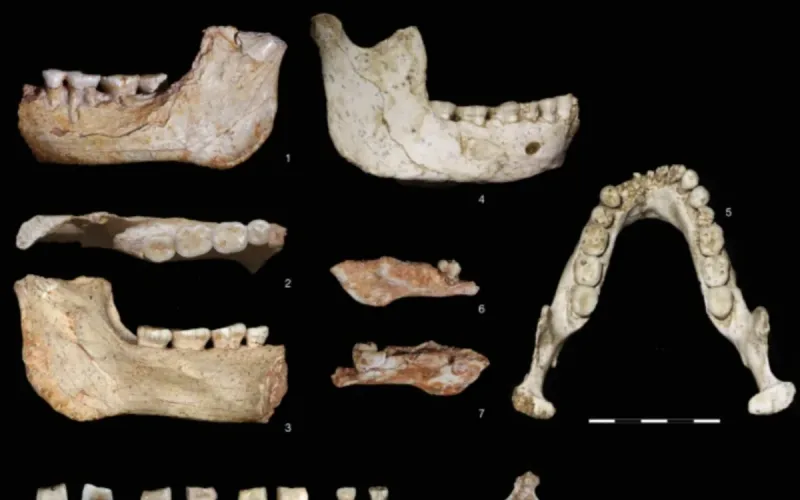
The Irhoud 1 skull provides most of the structure. The researchers completed it with a mandible and dental remains from other individuals in this population.
To recover the contours of the face, they adapted images from a scan of a modern adult to the shape of the ancient skull. The facial tissues followed this transformation, after which the researchers adjusted the contours using anatomical data.
A face that could go unnoticed today
For Cicero Moraes, the resemblance to modern humans is striking. “Dressed in modern clothes in the middle of a crowd, he would probably go unnoticed at first glance,” he told Business Standard, which quoted him on September 30.
The team presents two versions: a hairless, beardless face in grayscale, and a color bust. In the second version, the skin, hair and beard are artistic choices, while the facial contours are based on the bone structure.
The Jbel Irhoud fossils were the subject of papers published in Nature in 2017. Their dating to around 315,000 years ago placed them among the oldest known Homo sapiens fossils. They already combined a face resembling that of modern humans with a braincase that retained a more ancient shape.