The DNA of "skh001" reveals the mixed origins of the first Moroccans
Specialists have reconstructed the face of a woman who lived 6,400 years ago in Morocco. Discovered in Skhirat-Rouazi, this Neolithic ancestor reveals the secrets of her physical appearance and her complex genetic origins.
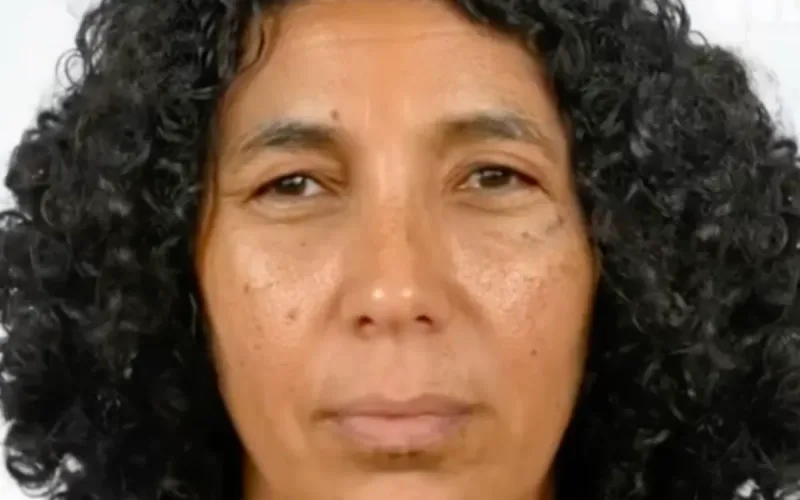
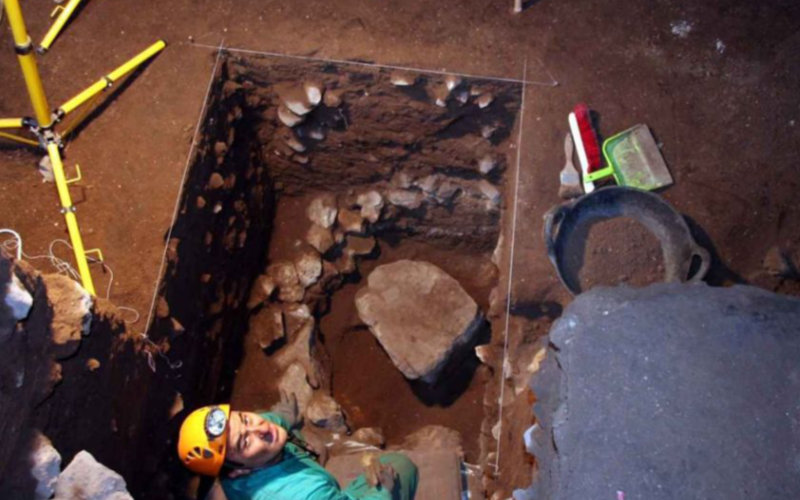
The international team Ancestral Whispers has unveiled the facial reconstruction of this woman identified under the identification number "skh001". Her remains were exhumed from the archaeological site of Skhirat-Rouazi. Measuring about 158 centimeters, she was buried according to a precise ritual, the body oriented from north to south and the limbs strongly folded to fit the dimensions of her burial pit.
On Bladi.net: On the trail of the first Egyptians: the Moroccan track is confirmed
The tomb contained several objects testifying to elaborate funerary practices. Archaeologists discovered four ceramic vessels, one of which was intact and placed directly on the pelvis of the deceased. Other pottery fragments were scattered around her abdomen and lumbar region. The presence of a small pebble near the elbow as well as deposits of manganese or ashes suggest a ritual staging during the burial.
On Bladi.net: The first farmers arrived from Spain to Morocco 7,400 years ago
From a biological point of view, the analyses reveal a complex genetic identity linked to the mitochondrial haplogroup M1a1b. Her profile combines an ancestry from the Levantine populations and the Natufians with a local Ibero-Maurusian component. This synthetic image makes it possible to give a human face to the Neolithic populations who inhabited North Africa more than six millennia ago.