Sánchez says he summoned Morocco’s ambassador… but she was not in Spain
Pedro Sánchez told Parliament that he had summoned Morocco’s ambassador to protest statements about Ceuta and Melilla. Spain’s Foreign Ministry later acknowledged that Karima Benyaich was absent and that another diplomat had attended the meeting.
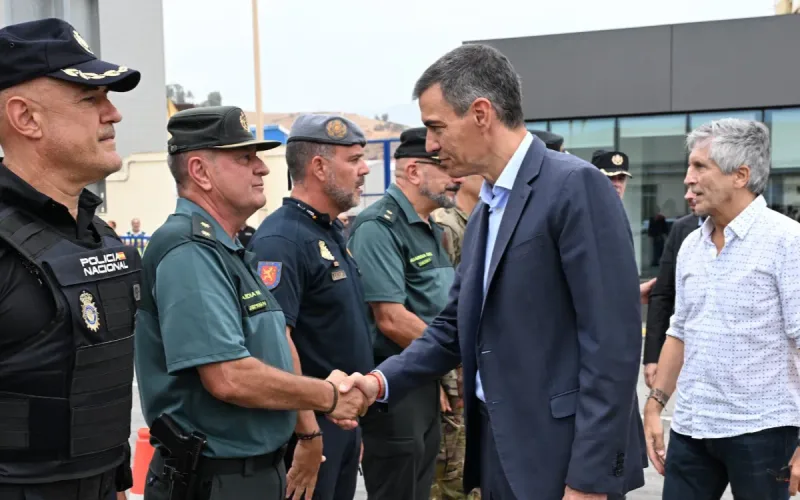
The revelation came from the Spanish head of government himself on Thursday, September 3, during his appearance before Congress devoted to the crisis caused by the mass crossings into Ceuta.
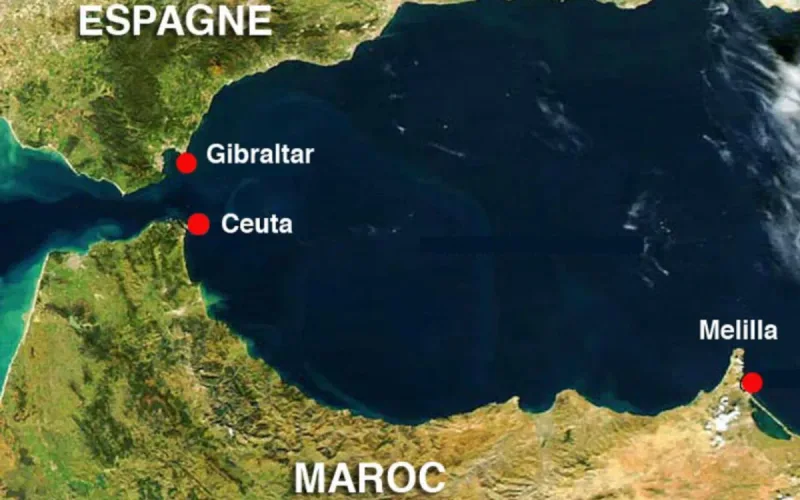
Pedro Sánchez assured that his government had summoned Morocco’s ambassador to Spain on August 21. According to him, the move was intended to express Madrid’s rejection following statements deemed “unacceptable” by Moroccan ministers about Ceuta and Melilla.
“We summoned the Moroccan ambassador on August 21,” the head of government essentially declared before the deputies.
But Karima Benyaich was not in Spain on that date and therefore did not take part in the meeting.
A few hours after Sánchez’s intervention, Spain’s Foreign Ministry had to clarify what had actually happened.
The summons had been addressed to the Moroccan Embassy, but it was the chargé d’affaires who went to the ministry. This diplomat is the embassy’s number two and performs the duties of head of mission when the ambassador is absent.
On Bladi.net : The CNI had identified 2,000 people near Ceuta; 72,000 ultimately crossed the border
The Spanish government therefore maintains that the diplomatic démarche did take place and that the protest message was conveyed to Morocco. But the person received was not the one mentioned by Pedro Sánchez before Parliament.
A summons kept secret for nearly two weeks
The existence of this meeting had never been publicly announced before the head of government’s statement.
Yet summoning an ambassador is usually an official diplomatic gesture intended to express a state’s displeasure. Spain had publicized comparable démarches involving Israel, Russia, Italy and Argentina.
Asked about this silence of nearly two weeks, government sources justified it by citing “prudence and responsibility,” Europa Press reports.
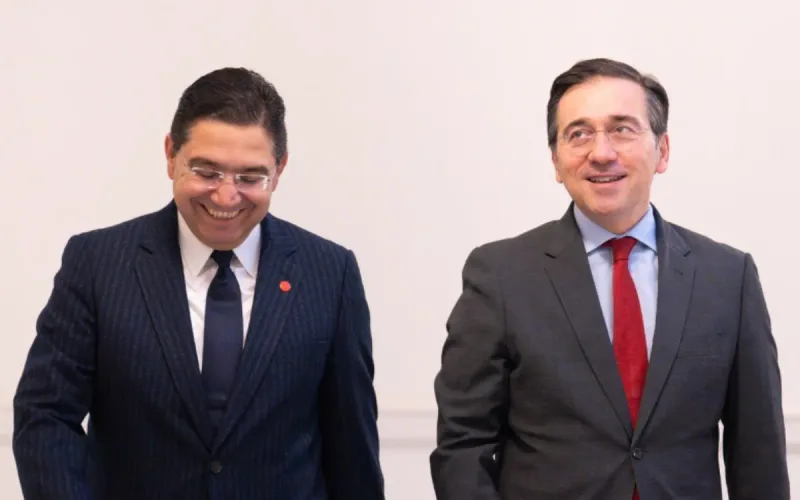
Spain’s Foreign Minister, José Manuel Albares, had only indicated on August 28 that Morocco’s claims regarding Ceuta and Melilla had been rejected through “all formal diplomatic channels.” He did not then reveal that a representative of the embassy had been summoned.
The opposition had in fact been calling for Karima Benyaich to be summoned for several days. The leader of the People’s Party, Alberto Núñez Feijóo, mocked the explanation given by Sánchez when it emerged that the ambassador was not even in Madrid on the date indicated.
The chronology raises another difficulty.
The statements by Morocco’s Justice Minister, Abdellatif Ouahbi, about Morocco’s “historic rights” concerning Ceuta and Melilla had indeed been made before August 21. They could therefore have been the reason for the Spanish protest.
By contrast, the remarks by the Minister of Islamic Affairs, Ahmed Toufiq, about the “liberation” of the two cities were made on August 24 in the presence of King Mohammed VI, three days after the summons announced by Sánchez. They therefore could not have prompted the August 21 meeting.
After this second statement, Madrid indicated that José Manuel Albares was in daily contact with his Moroccan counterpart, Nasser Bourita, and had conveyed Spain’s position on Ceuta and Melilla to him.
On Bladi.net : 72,000 crossings into Sebta: Spanish police accuse Morocco of organizing everything
The Spanish government insists that the essential point is that Morocco was informed of a firm rejection of any questioning of Spanish sovereignty over the two cities.