Rachid Yazami reports seven-minute battery charge as SkyDrive explores technology for flying taxis
Moroccan researcher Rachid Yazami says a lithium iron phosphate cell can be fully charged in seven minutes. His Singapore-based company KVI has also reached an agreement with Japanese aircraft maker SkyDrive, which wants to assess the technology for future flying taxis.
A battery cell charged from 10% to 70% in 3 minutes and 42 seconds. In a statement published on October 29, KVI presents the results of a test conducted on a commercially available lithium iron phosphate (LFP) cell. The company also says it achieved a 0-to-100% charge in seven minutes on a cell of this type.
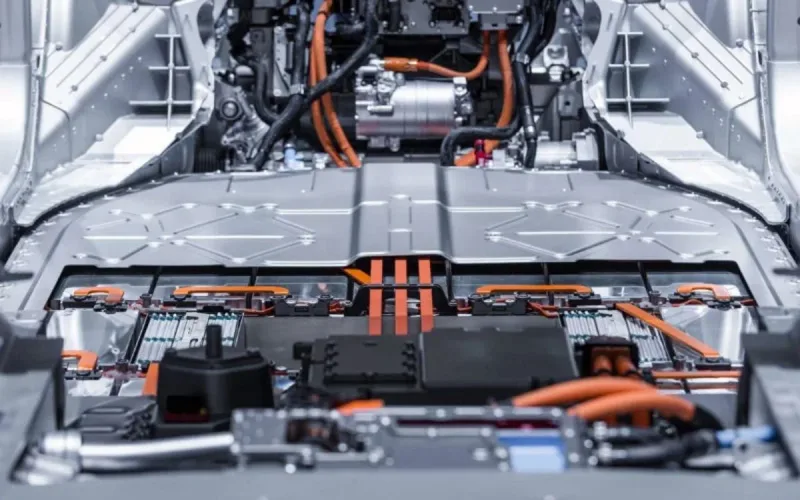
According to KVI’s measurements, the temperature remained below 50 °C during the 3.7-minute test. These figures apply to an individual cell: scaling up to a complete car battery, made up of many cells, is a separate technical challenge.
The charging method developed by Rachid Yazami is based on nonlinear voltammetry, or NLV. Rather than applying a constant current, it adjusts the voltage in stages and allows the current to adapt to the battery’s electrochemical characteristics. KVI says the approach can also help monitor cell wear and detect certain faults.
Rachid Yazami, inventor of the graphite anode used in lithium-ion batteries, has been working on ultra-fast charging for several years. In 2020, his team had already announced a full charge in six minutes, but on a different type of battery. The new demonstration uses LFP chemistry, which is widely used in electric cars.
Ultra-fast charging draws interest from flying taxi makers
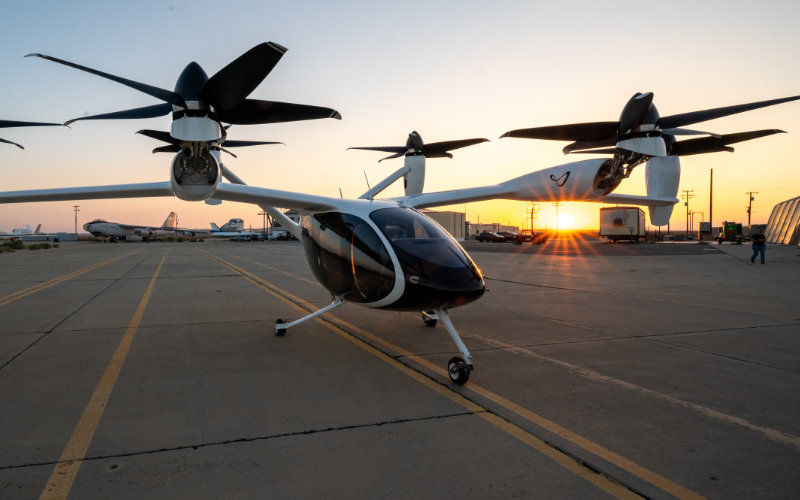
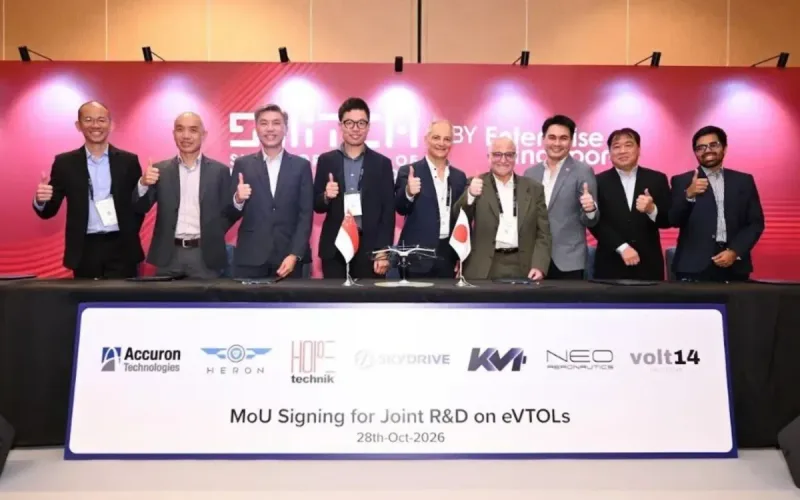
On October 28 in Singapore, SkyDrive signed a memorandum of understanding with KVI and five other local companies. The Japanese manufacturer is developing electric vertical take-off and landing aircraft, intended in particular for passenger transport.
For KVI, the cooperation will focus on evaluating charging-control software, both at the cell level and for battery packs. The goal is to reduce the time needed between flights while managing the safety and lifespan of the equipment. The SkyDrive statement provides for technical exchanges and validation work ahead of any more specific agreements.
Meanwhile, Electro Mobility Holding Singapore is preparing to commercialize charging systems controlled by the NLV method, with the automotive market among its priorities. The results unveiled by KVI thus open up two distinct industrial avenues: electric cars and light aviation.