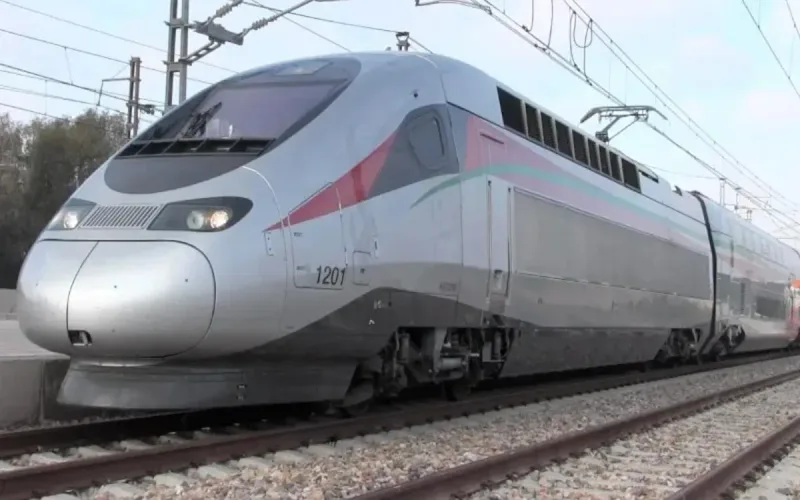
Rabat, Tangier, Marrakech: Morocco's colossal plan to end public transportation woes
The Kingdom is partnering with the World Bank to revolutionize mobility in its major urban areas. This major government program aims to improve public transportation infrastructure in the face of rapid urbanization.
The Bretton Woods institution is about to release an initial envelope of 350.88 million dollars to support this national strategy valued at 1.8 billion dollars. This approach follows the financial support granted in 2025 for the Casablanca metropolis. The stakes are crucial for the country, whose urban population, currently at 60%, is expected to exceed 70% by 2050.
On Bladi.net : Spain Seizes Moroccan Hotels with Over 20 New Palaces for the 2030 World Cup
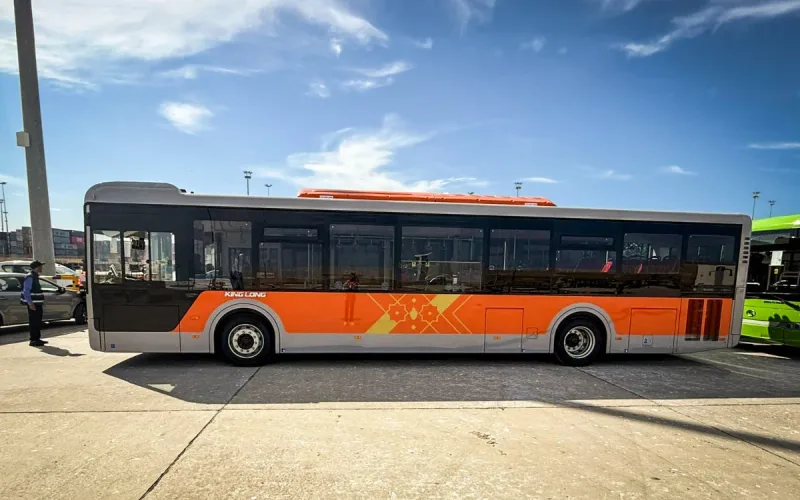
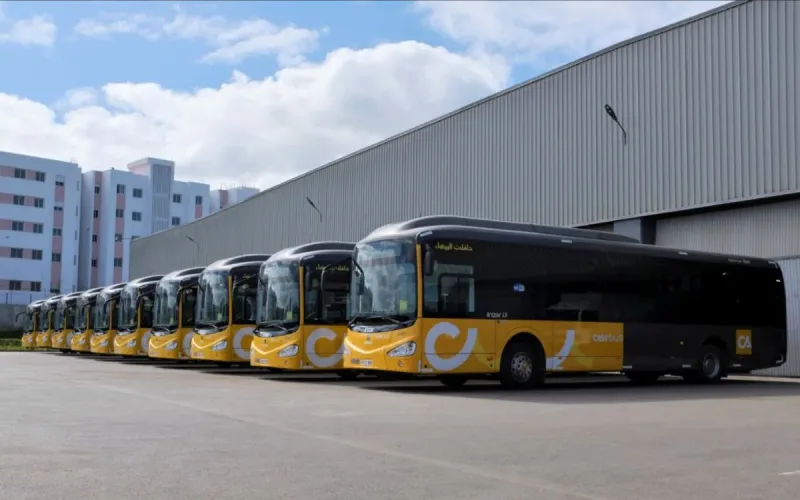
To respond to this demographic pressure, the plan calls for a complete overhaul of bus fleets with better geographic coverage. New vehicles will be deployed, accompanied by technological equipment such as electronic ticketing. The objective is to offer more frequent routes and facilitate residents’ access to employment centers and essential services.
The creation of high-level bus rapid transit corridors constitutes the other pillar of this project. By 2030, the capital will benefit from four of these rapid lines spanning nearly 50 kilometers. Tangier and Marrakech will also be equipped with networks of about twenty kilometers. Additional suburban rail connections are already being studied for the medium term.
On Bladi.net : The Rabat airport is getting a makeover and quadrupling its capacity
Beyond infrastructure, the project provides for administrative restructuring through the creation of local urban mobility agencies and financing optimization. This Moroccan leadership in the sector will also be exported to the international stage: on June 23 and 24, 2026, Rabat will host the ministerial conference marking Morocco’s assumption of the presidency of the Western Mediterranean Transport Ministers Group, succeeding Malta.