Wi-Fi, business lounges and digitalization: Royal Air Maroc accelerates its upgrade
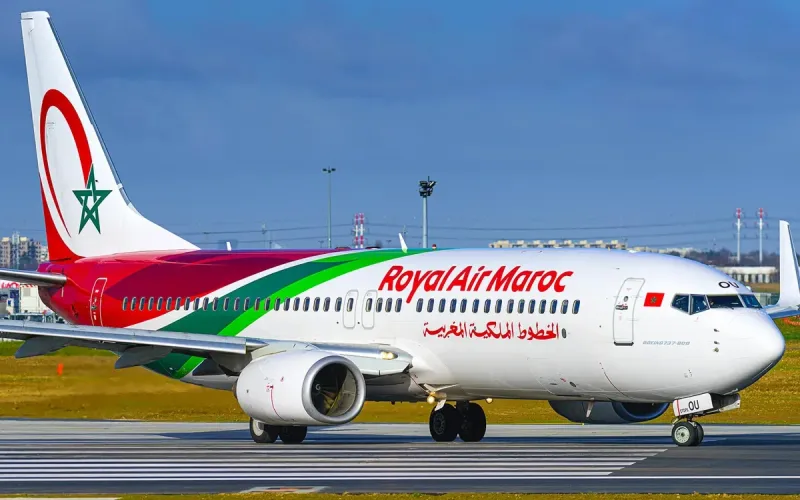
The Minister of Transport, Abdessamad Kayouh, detailed to Parliament the development strategy of Royal Air Maroc. This plan aims to renew the fleet and optimize services to strengthen its international competitiveness.
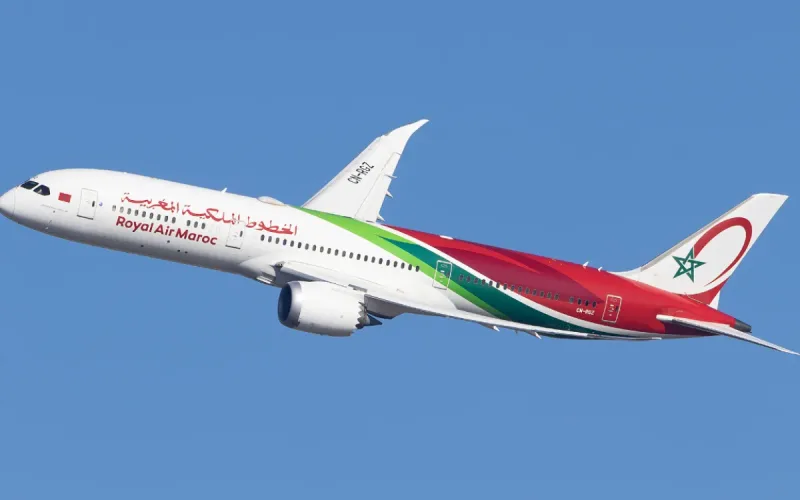
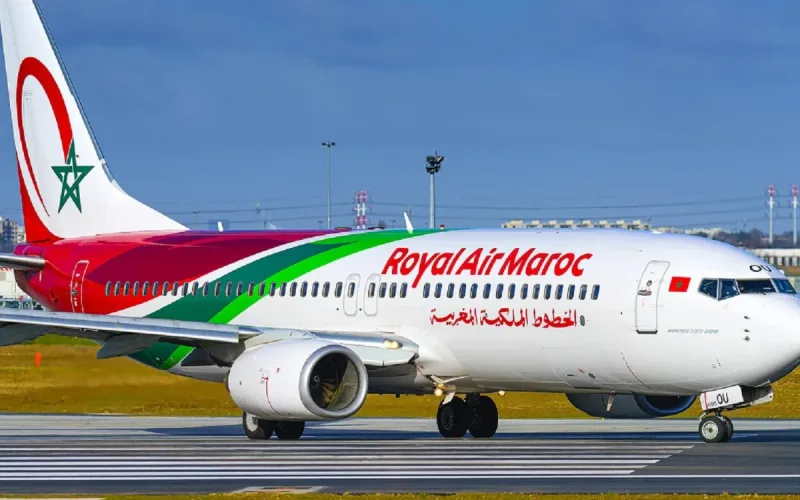
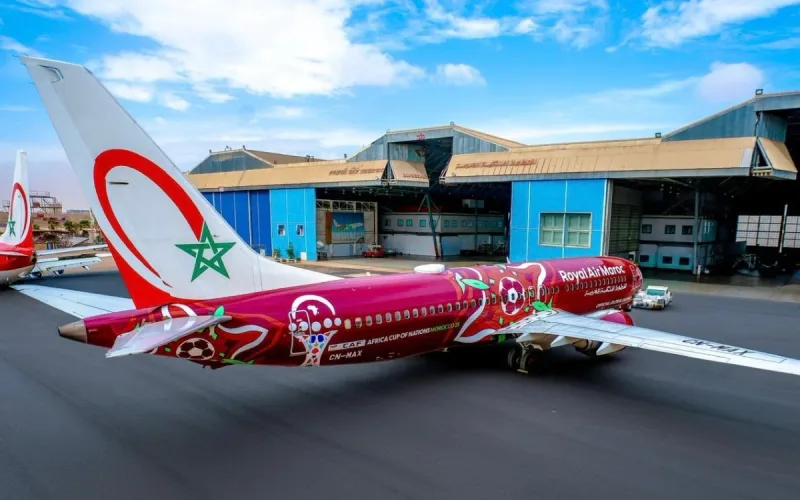
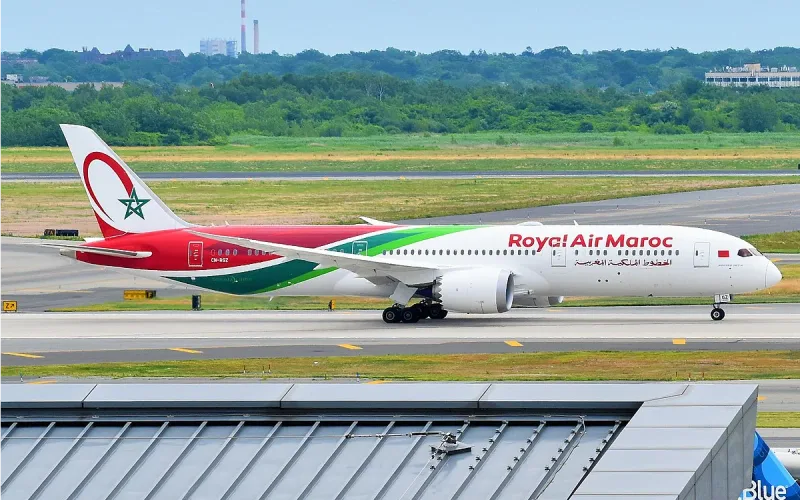
This transformation dynamic is based on an ambitious performance contract linking the State to the carrier. The strategic objective is to reach a fleet of 200 aircraft by 2037, knowing that 60% of the current aircraft have already been renewed. In the immediate future, the roadmap planned for the receipt of eleven aircraft, increasing the fleet from 52 to 63 aircraft. Nine more aircraft will follow in 2026, then thirteen in 2027, bringing the total to 72 operational units.
On Bladi.net: Royal Air Maroc: Tangier, Tetouan and Nador now connected to several Spanish cities
In parallel, the company is deploying a program to improve the customer experience, with a satisfaction rate stabilizing between 79 and 82% over the past three years. This digitization is reflected in the integration of the Internet, access to the "RAM Media" entertainment system, the publication of the "SAFAR MAGAZINE" and the generalization of automatic check-in. Ground infrastructure is following this trend with the planned inauguration of a business lounge at Mohammed V Airport in 2025, in addition to those in Marrakech and Paris-Orly.
Geographically, the company is consolidating its domestic network thanks to regulated fares through regional partnerships, while preparing a vast international expansion. The announced opening of routes from Casablanca to Beijing, São Paulo, Toronto, Sal Island, Catania and N’Djamena aims to establish the Kingdom as a true air hub connecting Africa, Europe, Asia and the Americas.
On Bladi.net: Royal Air Maroc: 13 more Boeing aircraft
The success of this strategy remains subject to several challenges, including the volatility of fuel prices and the intensification of global competition. However, the government confirms its commitment to support this roadmap, essential to maintain price stability, stimulate the tourism sector and boost the national economy.