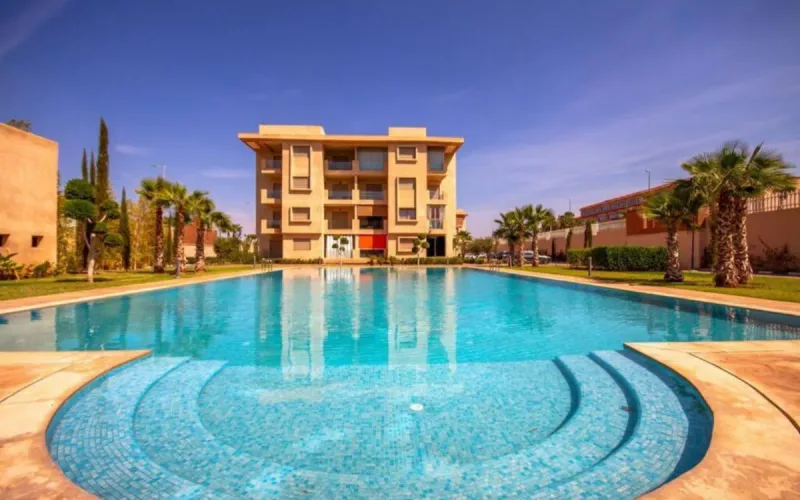
Pickalbatros targets 7,000 hotel rooms in Morocco by 2030 with $250 million financing
A $250 million financing package, hotels to renovate and thousands of jobs expected. Egyptian group Pickalbatros is accelerating its expansion in Morocco, aiming to more than double its hotel capacity by 2030.
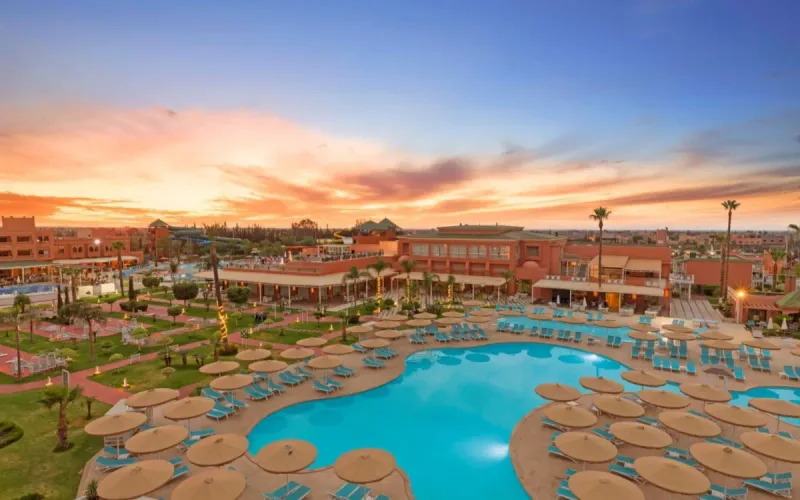
Up to 7,500 direct and indirect jobs. That is the estimate put forward by the International Finance Corporation (IFC), a World Bank subsidiary, to support Pickalbatros’s development in Morocco. The hotel giant has just completed a $250 million financing deal with the IFC and Attijariwafa bank.
The deal, announced on October 15 in Marrakech and detailed this Sunday by Egyptian media outlet EnterpriseAM, is the largest hotel financing ever supported by the IFC in Morocco, according to investment bank Zilla Capital.
The group, which had seven hotels in Morocco in 2024, now has nine, with a total of more than 2,700 rooms. Its goal is far more ambitious: to reach 7,000 rooms by 2030. It would therefore need to add more than 4,000 rooms to its current portfolio to meet that target.
Casablanca, Marrakech and Agadir at the heart of investments
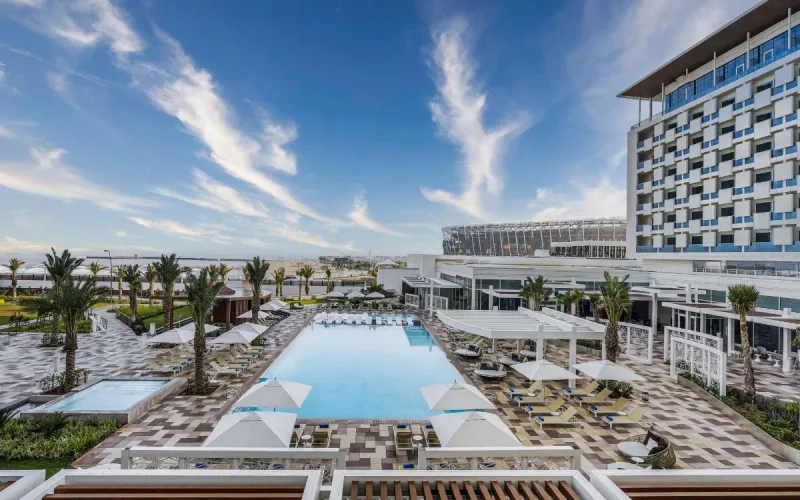
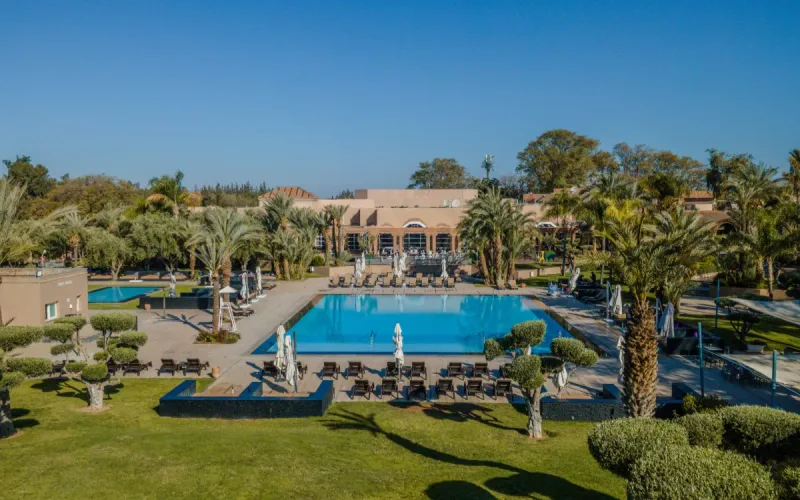
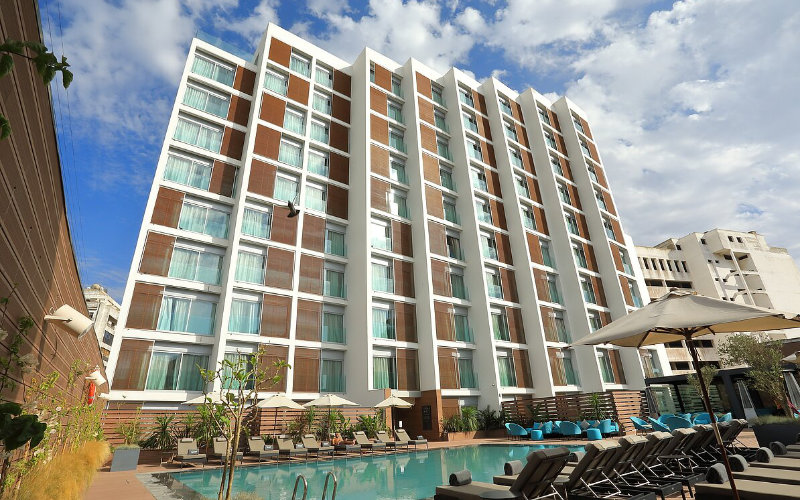
The funding will notably support two acquisitions in Casablanca: the Sofitel Casablanca Tour Blanche and the Mövenpick Hotel Casablanca. In Marrakech and Agadir, Pickalbatros plans to modernize its properties, with renovations aimed at improving their environmental performance.
But the $250 million will not fund hotels alone. Part of the package will be used to refinance existing debt over longer terms, says Zilla Capital, the group’s financial adviser.
On Bladi.net : Tourism: Morocco breaks the glass ceiling with 20 million visitors in 2025
The question of jobs remains. The 7,500 positions cited by the IFC are a projection that includes direct and indirect jobs, not a recruitment program that has already been launched. No detailed hiring schedule or breakdown between the two categories has been announced.
Founded in 1992 by Egyptian businessman Kamel Abou Aly, Pickalbatros has been present in Morocco since 2010. With this new financing, it aims to capitalize on the Kingdom’s tourism growth and the expected demand for accommodation as the 2030 World Cup approaches.