Driving licenses in Morocco: What changes with the new reform
The National Road Safety Agency and professionals are examining a major reform of the driving license. The project provides for the separation of theoretical and practical exams, the extended validity of the theory test, and the digitalization of administrative procedures for driving schools.
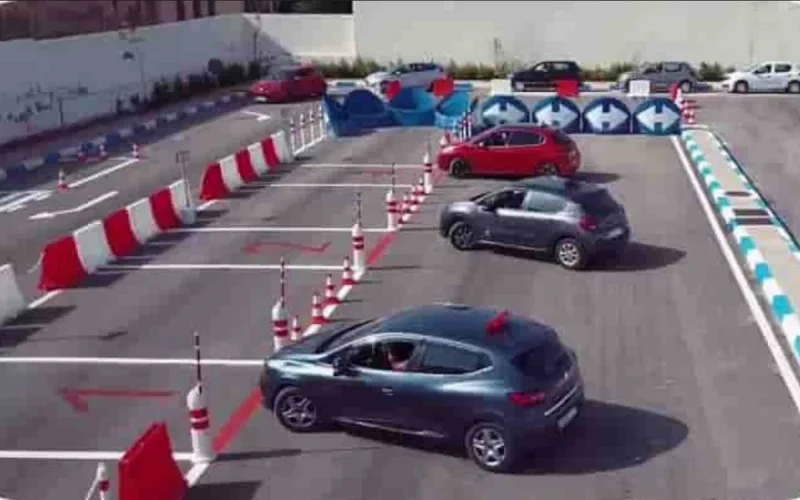
A strategic meeting is being held this Wednesday between the management of the National Road Safety Agency (NARSA) and the Federation of Driving Professionals to discuss a structural reorganization of the exam. The planned reform is based on a clear separation between learning the theory and practical driving: the candidate will now have to validate the theoretical part before being able to start their practical training. This measure aims to rationalize the process and avoid pedagogical and financial redundancies that currently penalize students.
The new system proposes to maintain the validity of the theoretical exam for a period of six months. During this period, the candidate will be able to take the driving test up to six times without having to repay or retake the theory test, unlike the current system which often imposes a complete restart in case of repeated failures. For Mustapha El Haji, president of the Federation, this approach allows to "protect the candidate against any unnecessary resumption of theoretical training", significantly reducing the overall cost of the license in case of difficulties on the practical part.
The discussions also cover the maintenance of the two-year probationary period, during which the new driver has a limited capital of 20 points. This balance automatically increases to 30 points at the end of this phase if no serious offense has been committed. Professionals recall that the total loss of points leads to the cancellation of the license and a ban on retaking the exam for six months, a deterrent mechanism intended to anchor responsible behavior from the first kilometers.
Finally, the project includes an administrative modernization component with the deployment of the "Téléservices" platform. This digital counter will allow driving schools to dematerialize all their procedures, from the registration of instructors to the reservation of exam dates. Described as a "long-awaited dream" by the profession, this remote management tool still needs to be validated by the regulatory texts that will be finalized at the end of the ongoing consultations.
In summary:
• A reform plans to separate theory training and practical driving learning.
• The theory test would remain valid for six months, with up to six attempts at the practical exam without retaking it.
• In case of failure in the practical, only the driving training would need to be repeated, reducing costs.
• The two-year probationary period remains unchanged: the new driver starts with a capital of 20 points.
• At the end of the probationary period, the capital increases to 30 points in the absence of serious offenses.