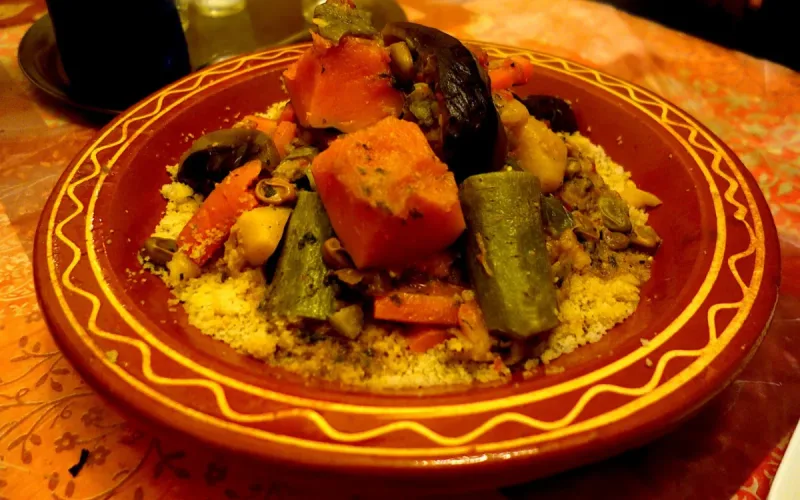
Pastilla, Darija, Traditions: Why AI Doesn't Understand Moroccan Culture
Emirati researchers have revealed that artificial intelligence models struggle to grasp the nuances of Arab cultural heritage. Their misinterpretations, particularly regarding elements of Moroccan patrimony, expose a lack of diversity in their design.
A team from the Mohamed bin Zayed University of Artificial Intelligence (MBZUAI) in Abu Dhabi tested several free models, including five optimized for the Arabic language. The results demonstrate a genuine inability to capture regional specificities. Karima Kadaoui, a doctoral researcher at the institution, cites the example of an image showing a woman wearing a traditional headdress from northern Morocco. The systems provide vague answers or confidently claim it is a Mexican sombrero.
On Bladi.net : Chinese AI Habibi masters Moroccan Darija and challenges ElevenLabs
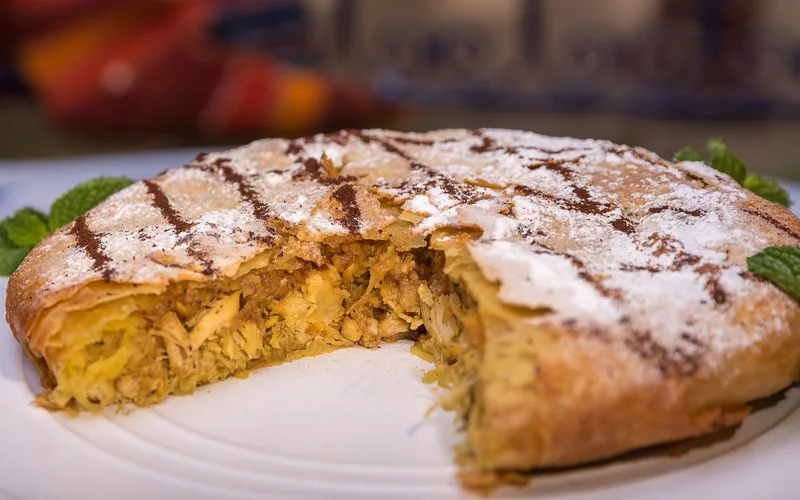
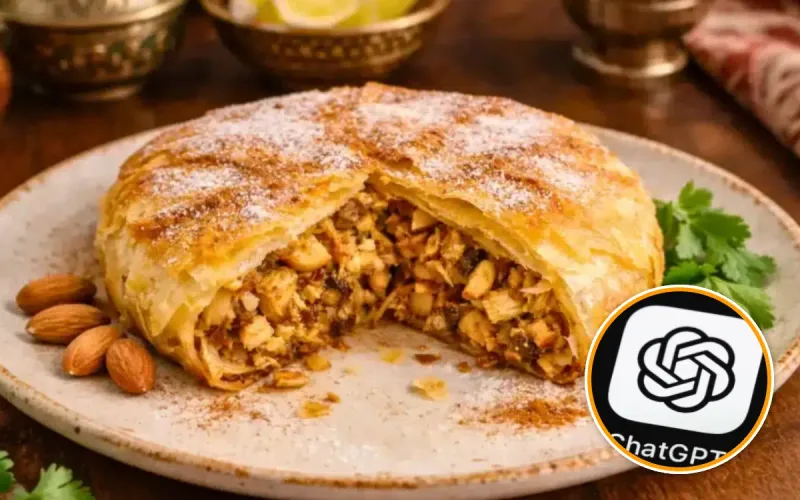
This confusion extends to gastronomy and linguistics as well. When faced with an Omani dessert, one of the artificial intelligences incorrectly identified it as pastilla, the famous Moroccan recipe. On the language front, researchers found significant dialectal mixing. One tool can begin its sentence in Moroccan Arabic, insert Egyptian words, then switch to classical standard Arabic to finish its response.
How can these failures be explained? As reported by The National newspaper, the systems analyze images through the lens of statistical probabilities rather than human observation. For example, a camel is frequently confused with an ostrich or a llama because of its color or its stance. The problem stems mainly from the initial annotation of data, a crucial step often carried out by people outside the Arab world, lacking the necessary cultural references.
On Bladi.net : Moroccan Culinary Journey: From Royal Pastilla to Homestyle Tagine
This research, conducted with the company Toloka AI, was the subject of a publication presented in March at a scientific conference in Morocco. Through this study, the researchers hope to push developers to create more inclusive tools. "We must fight for inclusion, demand it, and continue to do work that exposes gaps and biases," insists Karima Kadaoui, calling for the integration of much more diverse data.