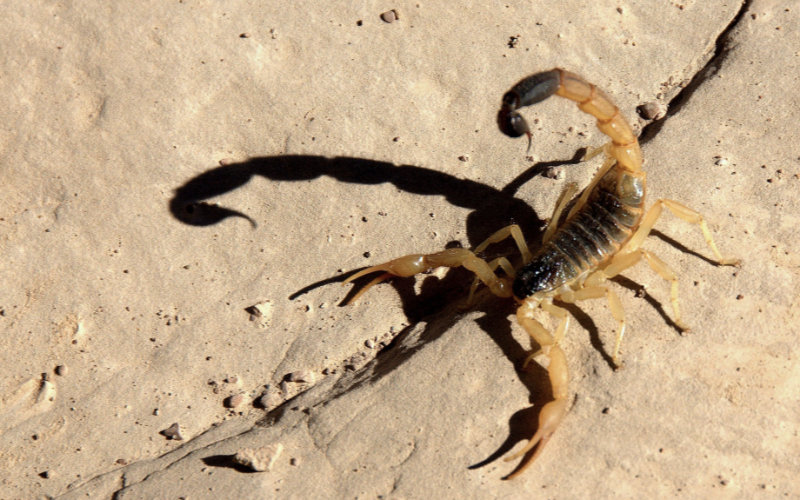
Morocco Scorpions: AI Maps Deadliest Species and Sting Risks
An international research team has developed a predictive method for locating the most dangerous scorpions in Morocco. By combining artificial intelligence with geological data, the study aims to reduce deaths linked to stings.
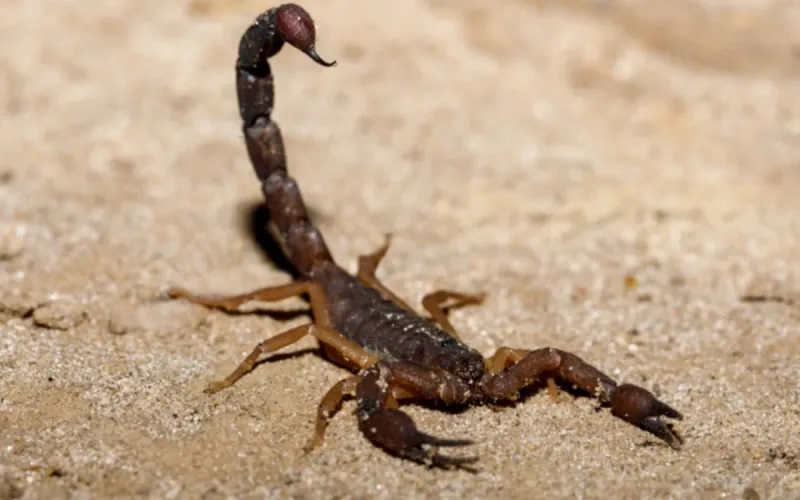
Every year, more than two million people worldwide fall victim to scorpion stings, causing the deaths of 3 000 children. In central Morocco, a particularly affected area, doctors’ inability to quickly identify the species often delays the administration of the correct antidote, jeopardizing patients’ survival.
On Bladi.net : Morocco’s Silent Killers: 25,000 Scorpion Stings Annually Threaten Rural Children
Researchers from the University of Galway and Ibn Zohr University have joined forces to create a predictive map. Using the MaxEnt computer model and biodiversity data, they analyzed scorpion habitats based on nocturnal field observations carried out with ultraviolet lamps.
The decisive influence of soil and climate on scorpion habitats
The study, published in Environmental Research Communications, reveals that soil type is the determining factor for most species. While some are adaptable and colonize vast areas of the Kingdom, others are highly dependent on temperature or specific soil types, creating highly localized risks.
“These results can save lives,” says Professor Michel Dugon, head of the Venom Systems Lab. According to him, this approach enables health services to direct medical training and prevention efforts toward areas of greatest danger—a method that could be exported to Brazil, India, or the Middle East.
Fouad Salhi, a member of the research team, emphasizes that combining fieldwork and modeling makes it possible to identify precisely where lethal species are likely to be found. The goal is to ensure better medical preparedness and reduce the number of victims in isolated villages.
On Bladi.net : Scorpion and Snake Encounters Surge in Morocco as Summer Heat Intensifies
The researchers now hope that these risk maps will guide targeted awareness campaigns. They stress the need for increased collaboration among biologists, doctors, and local communities to clarify remaining uncertainties about the behavior of these arachnids and optimize the public health response.