One in two Moroccans has already gone on a diet, fewer than one in ten use an app
A survey of 1,035 Moroccan adults reveals that 49.6% had already followed a diet, but only 9.5% used an app to monitor their food intake. However, the sample, which was highly urban and highly educated, does not represent the entire population.

The Moroccans surveyed are concerned about their diet, but still make very little use of digital tools to control it. Nearly one person in two had already tried to change their diet, mainly by reducing sugar or calories.
This proportion comes from an online survey conducted between October 2024 and January 2025 among 1,035 adults. The results were accepted on August 17, 2026, by the scientific journal Frontiers in Nutrition, which has yet to publish the definitively formatted version.
Among the participants, 49.6% said they had already followed a diet. By contrast, only 9.5% used an app or another digital tool to record and monitor their food intake.
This discrepancy suggests that dietary changes are still largely managed without technological support. The researchers see an opportunity to develop tools adapted to Moroccan habits, language and cultural context.
On Bladi.net : Obesity and deficiencies: Morocco faces a worrying food paradox
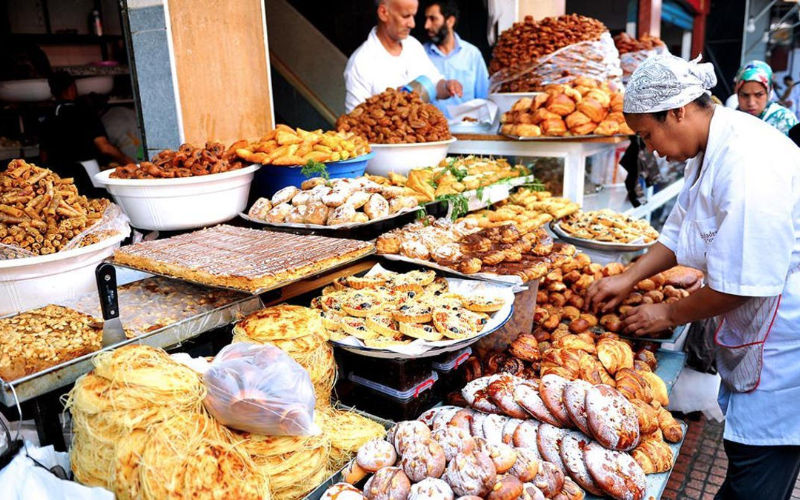
The responses above all reveal a paradox. Consumption of products traditionally associated with a balanced diet remained high: 89.7% of participants ate fresh fruit and 89% ate vegetables.
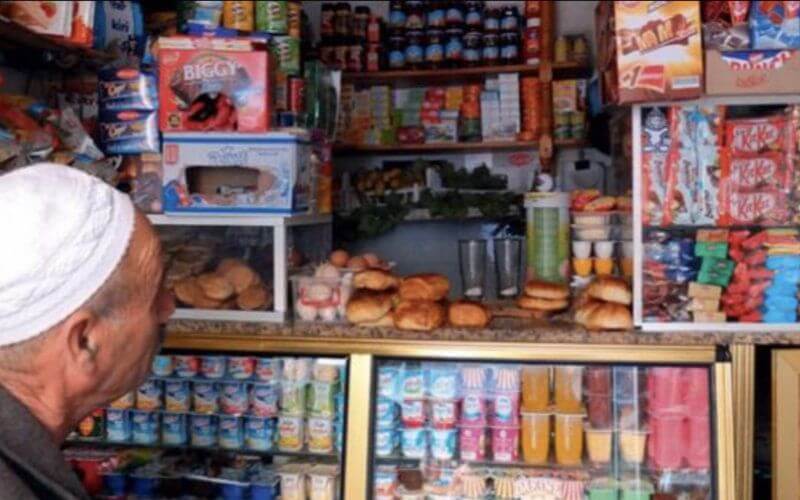
But these habits coexisted with high consumption of richer products. Fatty foods were part of the diet of 76.6% of those surveyed, while 49.1% consumed sugary drinks.
This combination of traditional foods and processed products corresponds to what the authors call a nutritional transition. A population can continue to consume plenty of fruit and vegetables while taking in more sugar, fat and calories.
Morocco had already raised taxes on sugary drinks in an attempt to reduce their consumption. Nevertheless, the new study shows that these products still occupy an important place in the habits of the population surveyed.
Six in ten participants overweight or obese
Based on the participants’ reported weight and height, the researchers calculated a prevalence of overweight and obesity of 60.9%. This figure should not be presented as the national rate: it concerns only the sample in this survey.
The sample consisted of 82.9% of people living in urban areas and 79.8% of higher-education graduates. In addition, the questionnaire was distributed online, which mechanically favors adults who are connected and comfortable with digital tools.
Weight and height were also not measured by professionals, but reported by the participants themselves. The authors therefore call for further studies based on representative sampling before generalizing their results to Morocco as a whole.
On Bladi.net : Morocco Faces Obesity Crisis as 59% of Adults Classified as Overweight
Nevertheless, the survey provides information about the behaviors of an urban and educated group. Sex appears to be the factor most consistently associated with dietary habits. Age, education level and income also play a role, but to a more limited extent depending on the behaviors examined.
These data fit into a context in which more than half of Moroccans are reportedly already overweight according to a previous international report and in which projections estimate that 46% of the population could be obese in 2035.
The main lesson therefore lies less in a new national rate than in the contradiction observed: the adults surveyed are familiar with diets, still consume plenty of fruit and vegetables, but remain highly exposed to fatty foods and sugary drinks.
As for nutrition apps, they have considerable potential market. They must nevertheless be affordable, designed for Moroccan dietary practices and capable of offering more than a simple calorie counter.