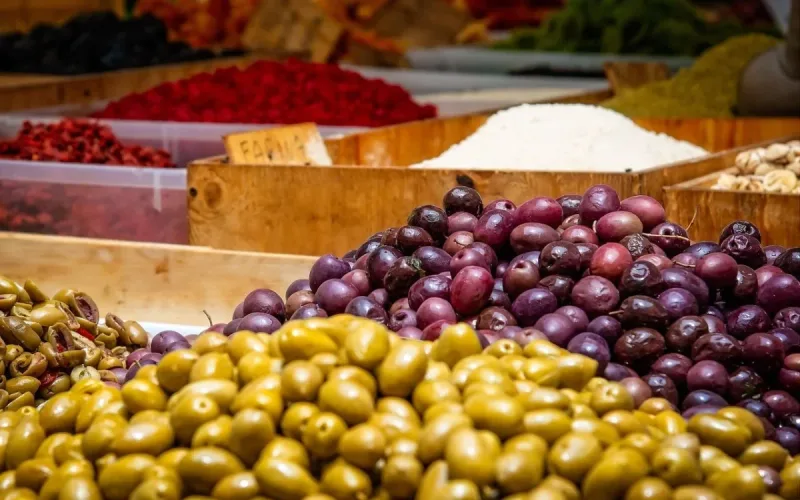
Obesity and deficiencies: Morocco faces a worrying food paradox
Morocco faces a worrying paradox. While obesity is on the rise, millions of Moroccans still suffer from severe nutritional deficiencies. This is at least what the latest report from the Moroccan Institute of Political Analysis reveals.
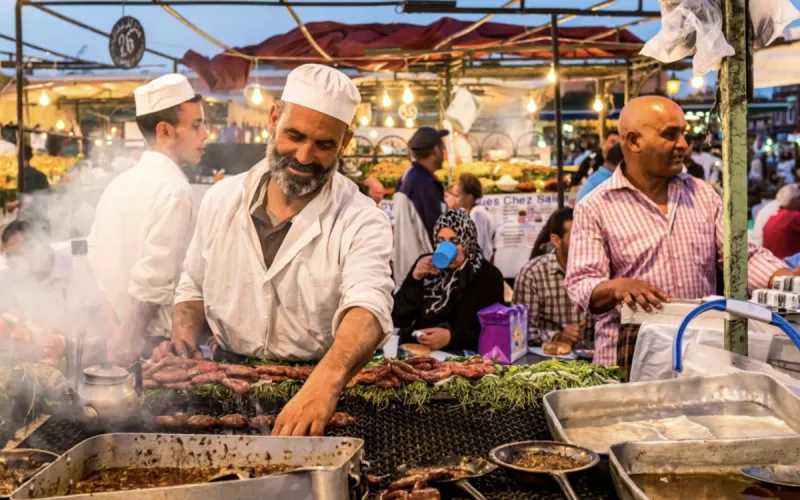
Titled "Food Sovereignty in Morocco 2025", the report warns of a "double health burden", referring to the spread of obesity and micronutrient deficiencies. A situation that reflects a profound transformation in the Moroccan way of life over the past decade. Before, Moroccans mainly ate local and balanced products, including cereals, vegetables, olive oil and legumes. But with the country’s opening to international markets, Moroccans have changed their eating habits, increasingly preferring processed, imported products and fast food. As a result, a Moroccan now consumes an average of nearly 3,100 calories per day, compared to 2,400 calories in the 1970s.
According to the report, this increase in calories does not mean an improvement in the quality of the diet. On the contrary. Moroccans now consume much more saturated fats and fast sugars, neglecting foods rich in fiber and important nutrients for health, leading to overweight and obesity. The figures are alarming. More than 60% of Moroccans are overweight or obese, according to data from the High Commission for Planning and the World Health Organization (WHO), which classify Morocco among the countries affected by a growing "weight crisis" threatening its health and social system. Women are particularly affected, with an obesity rate of 35.7% compared to 22.6% for men. The report explains this difference by social, cultural and economic factors, including lack of nutritional awareness, decreased physical activity and the influence of advertisements that encourage unhealthy consumption patterns.
This phenomenon has serious consequences for public health, the report warns, specifying that obesity leads to chronic diseases such as diabetes, cardiovascular problems and hypertension. These diseases are becoming increasingly costly for the health system and represent a growing economic and social burden for the state. While obesity is on the rise, some Moroccans suffer from micronutrient deficiencies (essential vitamins and minerals). Vulnerable groups, including women, children, and rural populations, are the most affected by this phenomenon. About 29.9% of women of childbearing age are anemic, a sign of iron deficiency. Among children under five, 15.1% have stunted growth due to chronic malnutrition, and 2.6% suffer from wasting, the report notes.
How can this situation be explained? The report points the finger at public policies of recent decades, which have favored agricultural exports and the generation of foreign exchange, to the detriment of the food security of Moroccans. The Moroccan Institute of Political Analysis estimates that this "commercial" approach has weakened the kingdom’s ability to control its food system and made it vulnerable to global price fluctuations. The main problem is not the quantity of food available, but its quality. The current diet lacks the necessary balance to ensure healthy growth of children and preserve the health of adults, the document points out.
To get out of this impasse, the report calls for adopting a comprehensive vision of food sovereignty, based on quality rather than quantity. It invites to produce and distribute healthy, balanced and affordable food, targeting vulnerable populations and strengthening nutritional education in schools and communities. The report also recommends the implementation of a national strategy that links agriculture, health and education, in order to promote the local production of nutritious foods, diversify the diet, limit advertising of harmful foods aimed at children, and develop obesity prevention programs. Morocco’s food future does not depend on the abundance of production, but on the ability to build an equitable, balanced and sustainable food system that guarantees the health of citizens and strengthens the country’s sovereignty over its food resources, the report concludes.