Moroccan Consumer Group Warns of Price Surge Ahead of Ramadan 2025
As the holy month of Ramadan approaches, the Moroccan Federation of Consumer Rights is concerned about the stability of the domestic market and is calling for urgent measures to protect the purchasing power of citizens, especially the most modest.
The surge in prices of many basic necessities is weighing heavily on the budgets of Moroccan households, already weakened by a difficult economic and social situation.
To avoid a crisis during the Ramadan period, the Federation is demanding strengthened control of markets, wholesalers and retailers in order to fight speculative practices such as hoarding and price manipulation. There is no question of leaving consumers at the mercy of unscrupulous merchants: the Federation demands exemplary sanctions against any form of fraud or deception.
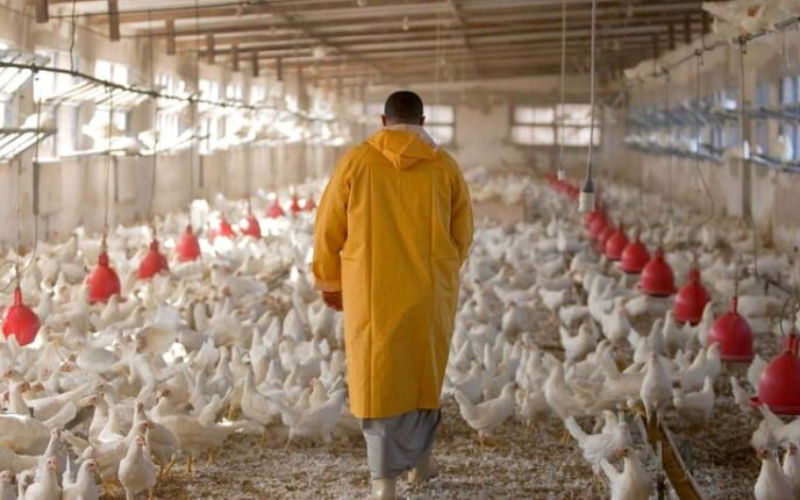
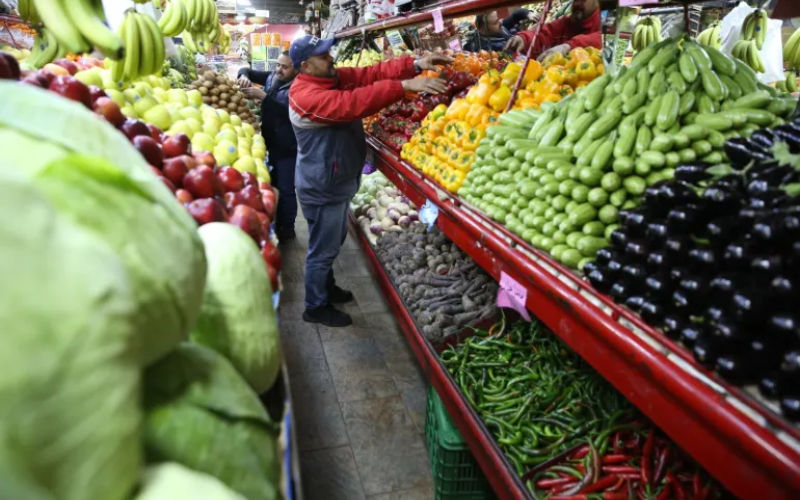
Among the proposed solutions, it suggests strong measures such as tax exemption on red meat and vegetables during the month of Ramadan. It also recommends importing chicks duty-free, or even suspending their export to ensure the supply of the local market. To reduce production costs and promote competitive prices, the Federation recommends exempting raw materials used in animal feed from taxes.
The Federation insists on the need to ensure the abundance of basic products and does not hesitate to brandish the threat of applying Article 4 of the law on freedom of prices and competition if speculation continues. In parallel, it calls for increased support for the poorest families through the distribution of "Ramadan baskets" and the strengthening of economic restaurants.
Aware that the responsibility is shared, the Federation also appeals to the reason of consumers. It encourages them to be vigilant in the face of products of dubious origin or expired and urges them to avoid waste and excessive purchases. "Beware of the snowball effect," it warns: storing large quantities of products risks encouraging speculation and causing artificial shortages.
However, the Federation remains optimistic: close collaboration between the authorities and consumers will, according to it, make it possible to meet the challenges of Ramadan and guarantee access to basic products at affordable prices for all.