MRE Summer Holidays: Planes vs Cars Travel Trends
Every summer, millions of Moroccans living abroad return for vacation. While sea crossings remain the majority choice, new generations are disrupting habits by favoring air travel to escape endless road journeys.
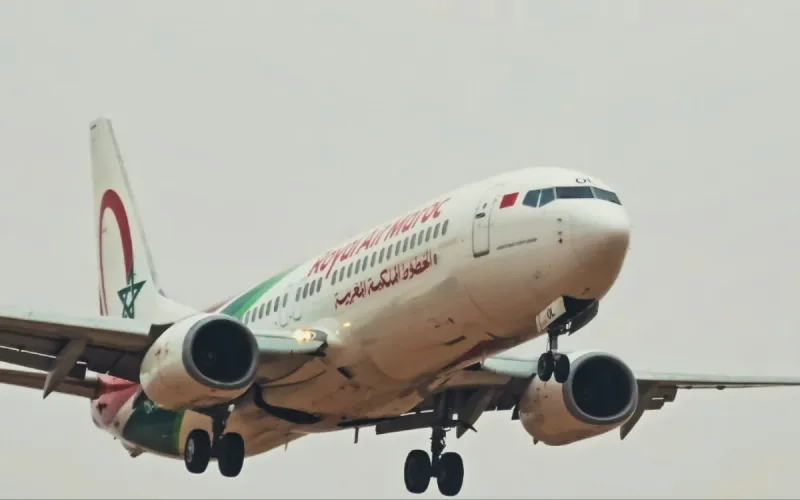
The children and grandchildren of the first MREs are gradually imposing a new vision of summer holidays. These second and third generations are convincing their parents to abandon road trips in favor of cheap airline tickets purchased in advance. This choice saves two to three days of travel and avoids physical fatigue, expensive fuel, and accident risks. Less attached to transporting secondhand goods, these vacationers often travel alone or in pairs, a trend particularly strong among residents of the United Kingdom, Germany, and Scandinavia.
On Bladi.net : MRE and summer vacations: The oil shock that risks emptying flights to Morocco
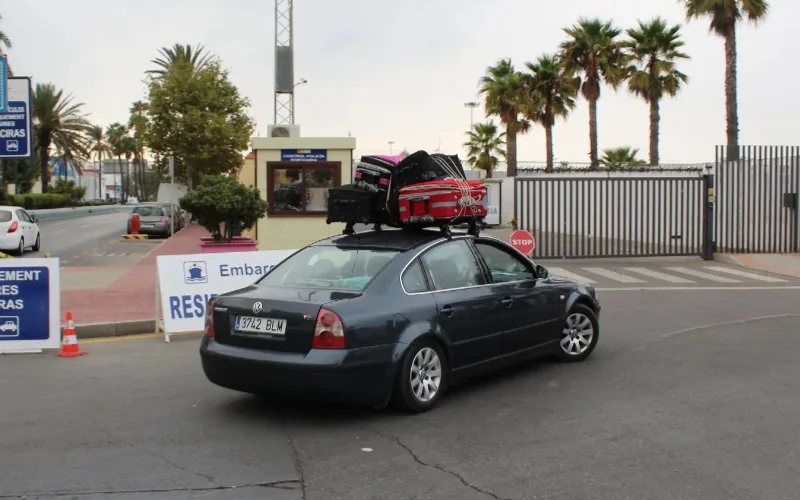
Despite this attraction to the skies, the road retains its loyal followers, particularly in France, Spain, Belgium, and the Netherlands. Cars appeal through their carrying capacity: with an average of 4.3 passengers per vehicle, they allow transporting virtually unlimited volumes of luggage, clothes, furniture, and bicycles intended for family use and, for some, resale. Above all, having your own car proves essential once there to cover distances between cities and villages to visit loved ones.
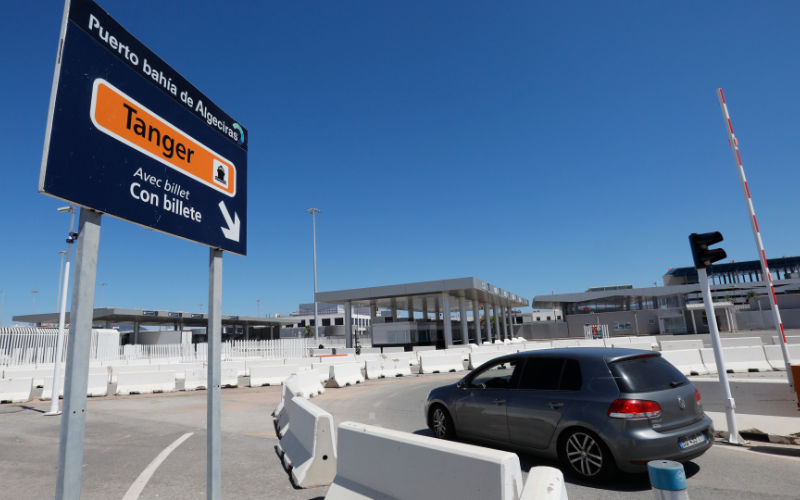
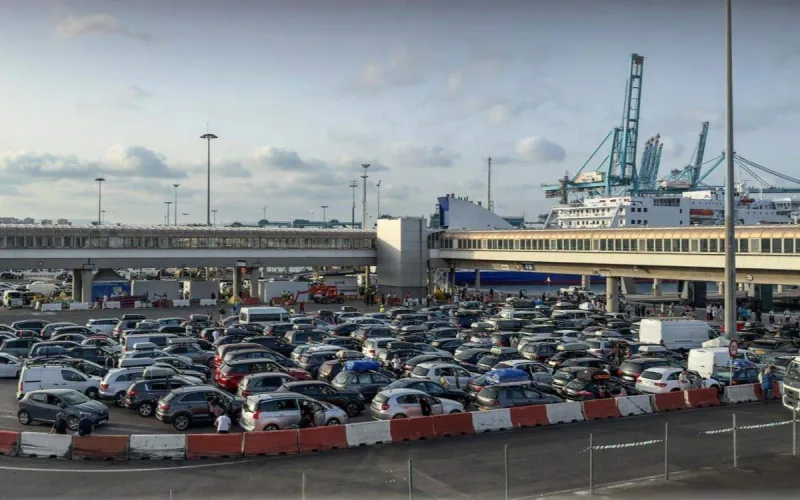
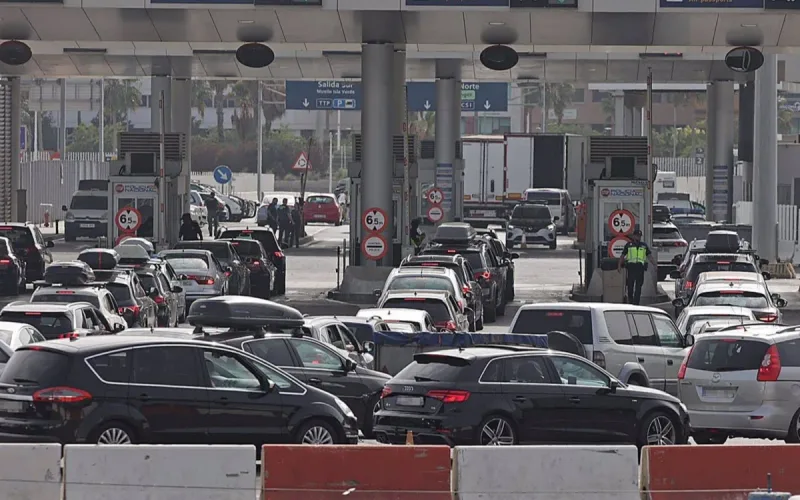
As a consequence of this attachment to the road, Operation Marhaba, scheduled from June 15 to September 15, is set to break all records. More than 3.5 million passengers and 800,000 vehicles are expected to transit between Europe and the African continent, marking a 3% increase compared to the previous year. This gigantic back-and-forth occurs over 70% through the ports of Algeciras and Tarifa. Facing this influx, shipping companies dominate the market in the short term, even though the old underwater tunnel project resurfaces regularly as a distant threat.
On Bladi.net : Moroccan Diaspora Outraged: Soaring Travel Costs Threaten Summer Homecoming Tradition
To manage the largest seasonal migration movement in the European Union, the operation deploys 31,500 professionals, including police officers, doctors, and volunteers. Logistics are modernizing with a real-time digital system and the introduction of biometric controls replacing manual stamps, reports Europa Press. Meanwhile, airports like Marrakech, Tangier, and Nador are saturating. The 350,000 additional seats planned for July and August barely suffice to absorb demand from the diaspora and European tourists, whose numbers climb 7% each year.