Morocco Tests an Electronic Voting System Using Facial Recognition and Blockchain
Moroccan researchers tested an electronic voting system in Nador combining facial recognition, blockchain and offline operation. Tested with 300 participants, the system validated 287 votes. However, it is not an official project of the authorities.
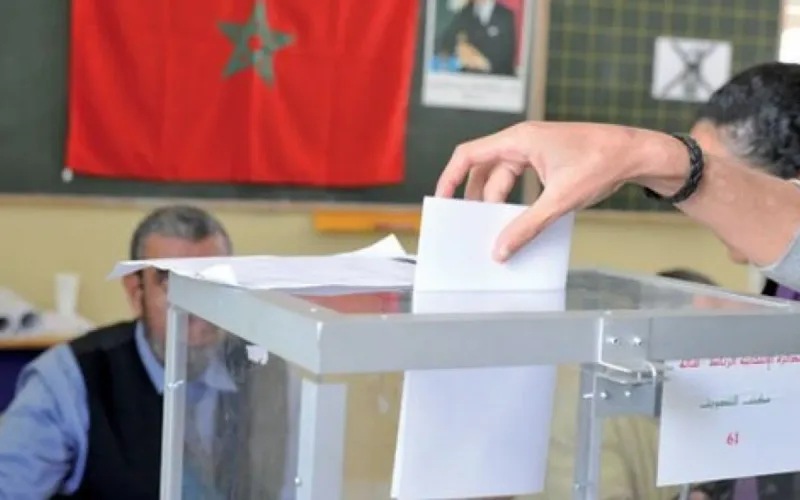
Named AdaptVote, the system was developed by researchers from Mohammed Premier University of Oujda and Abdelmalek Essaâdi University of Tétouan. Their work has just been published in the Journal of Cybersecurity and Privacy.
The prototype is intended to enable electronic voting even in areas where the internet connection is unstable. Voters are identified through facial recognition, their ballots are recorded locally, and the data are synchronized when the network becomes available again.
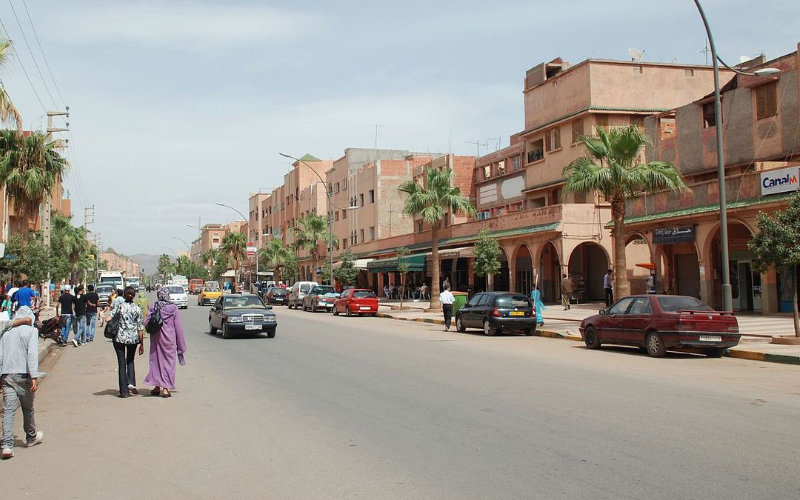
The experiment was conducted in December 2024 on the campus of Mohammed Premier University in Nador. Two polling stations operated for twelve hours with 300 participants. To test the system under difficult conditions, the network connection was deliberately interrupted for 65% of the experiment.
On Bladi.net : 2026 Elections: The Puzzle of the Political Participation of Moroccans Abroad
In total, 287 votes were recorded and included in the final count. The system remained available 99.2% of the time, and facial identification worked on the first attempt for 95.7% of participants.
Recognizing a voter using an old identity photo
One of the challenges studied concerns facial aging. A photograph appearing on an identity document may be several years old and may no longer exactly match its holder’s appearance.
The researchers therefore combined facial recognition with an analysis of facial features that change less with age. During laboratory tests on photos taken six to ten years apart, their system achieved a recognition rate of 96.7%, according to the threshold used in the study.
AdaptVote also uses blockchain to secure ballot recording and prevent double voting. The system is designed to separate the voter’s identity from their electoral choice.
Facial recognition is already used in several security systems in Morocco, but its application to voting imposes additional requirements regarding privacy, reliability and protection against identification errors.
On Bladi.net : Morocco: Smile, You’re Being Scanned
The Nador experiment also showed a significant time saving. Electronic voting took an average of 2.1 minutes per person, compared with 4.5 minutes using the paper ballot used for comparison, representing a reduction of 53.3%.
The researchers nevertheless remain cautious. A test involving 300 people cannot guarantee that the system would maintain the same reliability in an election involving several million voters. They identify reducing the number of legitimate people who may be temporarily rejected by facial recognition as a particular priority.
The authors present their technology as particularly suited to regions where internet outages make it difficult to deploy fully connected voting systems.
For now, AdaptVote remains a university prototype. No decision by the Moroccan authorities provides for its use in the next elections. However, the experiment conducted in Nador demonstrates that electronic voting combining biometrics and blockchain can operate in Morocco for several hours with a connection that is largely unavailable.