Fingerprints, photos and long queues: what changes Monday for Moroccans traveling to Europe
Moroccan travelers heading to Europe for a short stay could face longer waits at the borders starting Monday, September 7. The exemption allowing biometric checks to be temporarily suspended when queues become unmanageable is due to end.
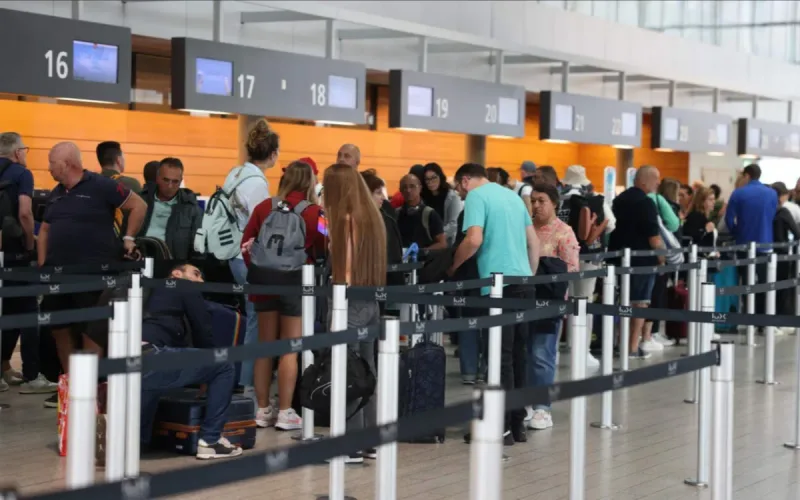
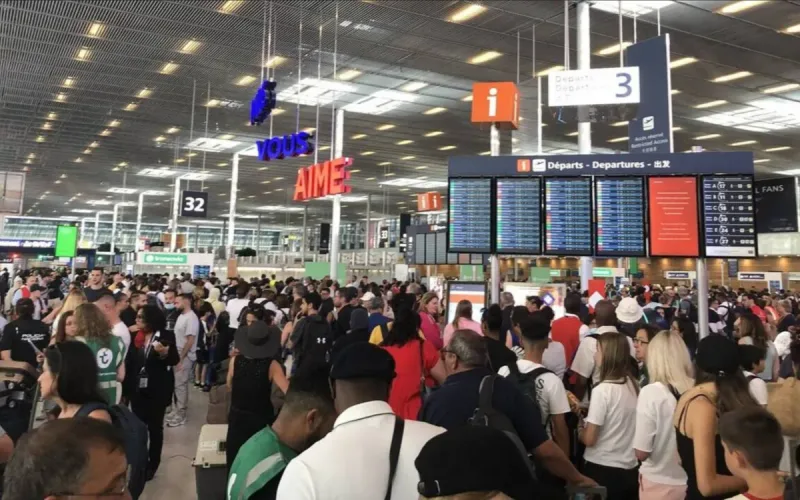
A safety valve used throughout the summer is set to disappear Sunday evening at European borders. Since the full rollout of the EES Entry/Exit System, states have been able to partially suspend the collection of biometric data for several hours when an airport, port or land border crossing became overwhelmed.
Police officers would then temporarily return to manual checks and passport stamping in order to clear the queues more quickly. This option could be used for up to six hours a day in the most difficult situations.
Starting Monday, September 7, European countries will normally have to maintain biometric checks even when waits become significantly longer. No extension of the exemption had been announced by Friday, despite requests made by several states and transport professionals.
For the Moroccan nationals concerned, crossing the border involves scanning the passport, taking a facial photograph and recording fingerprints during the initial registration. Subsequent trips require a new verification of the biometric record, both when entering and leaving the Schengen Area.
According to The Times, the most significant difficulties were observed in particular at Spanish, French, Portuguese and Italian airports. Airport organizations reported waits of up to five hours during certain peak periods.
Most MREs settled in Europe are exempt
However, not all Moroccans are affected. The EES primarily targets nationals of countries outside the European Union who are making a short stay, with or without a visa.
A Moroccan traveling to Portugal, Spain, France, Belgium or another country in the Schengen Area with a tourist visa must therefore normally go through this system.
By contrast, Moroccans holding a residence permit or a long-stay visa issued by a country using the EES are not registered. They simply need to present their passport together with their residence document.
The European Commission specifically gives the example of a Moroccan national married to a French woman and holding a French residence card: this person does not have to provide fingerprints or a facial photograph under the EES.
Dual nationals using a European passport are also excluded from the system. Children under 12 remain exempt from fingerprinting, but their faces and passport information may still be recorded.
The end of the exemption is particularly concerning for airlines and major airports handling connecting passengers. At Frankfurt, queues have already reached 90 minutes during periods of heavy traffic, even though authorities could still ease the checks.
Passengers have also missed their flights after being stuck at passport control. Airlines are generally not required to wait for late passengers, and insurers may consider it the traveler’s responsibility to arrive sufficiently early.
The EES is now used in 29 European countries and has already recorded more than 180 million entries and exits. Moroccan travelers subject to the system should therefore allow plenty of extra time, particularly when passing through a major airport or having a short connection.