Moroccans Abroad Do Not Need a More Modern Proxy Voting System; They Need Ballot Boxes
Every year, they send billions of dirhams to Morocco, fill planes, ferries and tourism statistics, and are courted by banks and real estate developers. But when it comes to voting, Moroccans living abroad still have to find someone in Morocco to do it on their behalf.
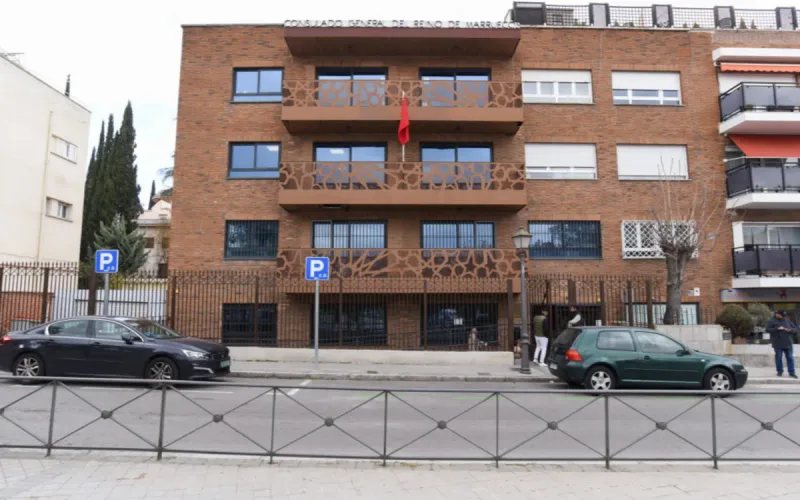
The announcement could almost have been seen as progress. Starting August 24, Moroccans residing abroad will be able to establish their electoral proxy electronically, according to the procedure presented on August 6 by the Embassy of Morocco in Beijing. No need to travel to fill out the form: a few personal details, those of the proxy holder in Morocco, a verification, and then the proxy can be downloaded and sent.
On Bladi.net : Moroccan Diaspora Remittances Surge Past 50 Billion Dirhams
The form is therefore entering the digital age. The voting rights of MREs, much less so.
Because behind this administrative simplification, nothing changes in substance. A Moroccan living in Amsterdam, Brussels, Madrid or Paris will still be unable to go to their consulate, present their identity document, enter a voting booth and place their own ballot in the ballot box. They will have to designate another person, registered on an electoral roll in Morocco, who will vote on their behalf.
A situation that is all the harder to defend given the considerable weight of MREs in the Moroccan economy. According to the Foreign Exchange Office, their transfers reached 122 billion dirhams in 2025, after 118 billion a year earlier. And the trend is continuing: by the end of May 2026, they had already sent 50.2 billion dirhams.
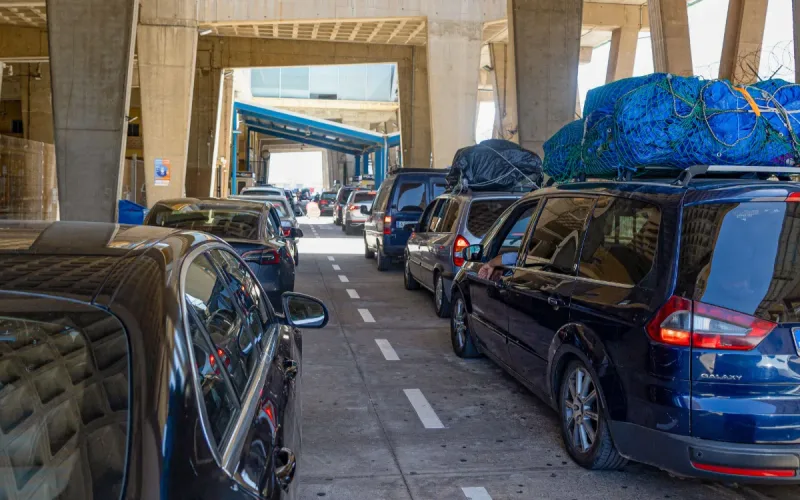
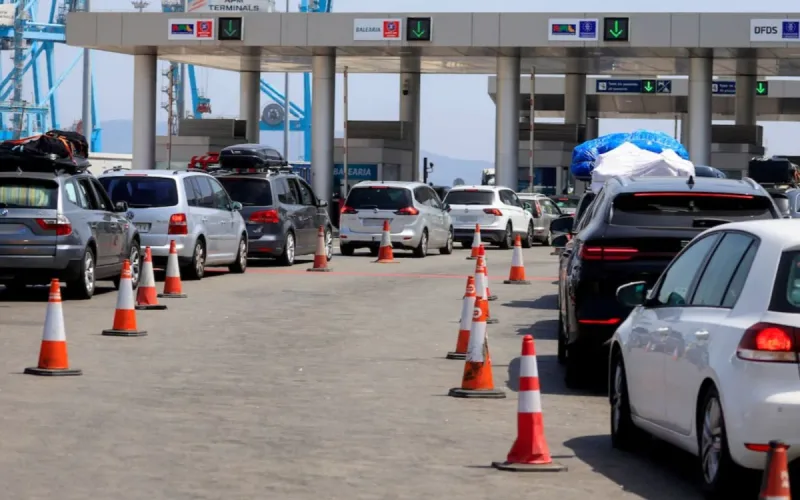
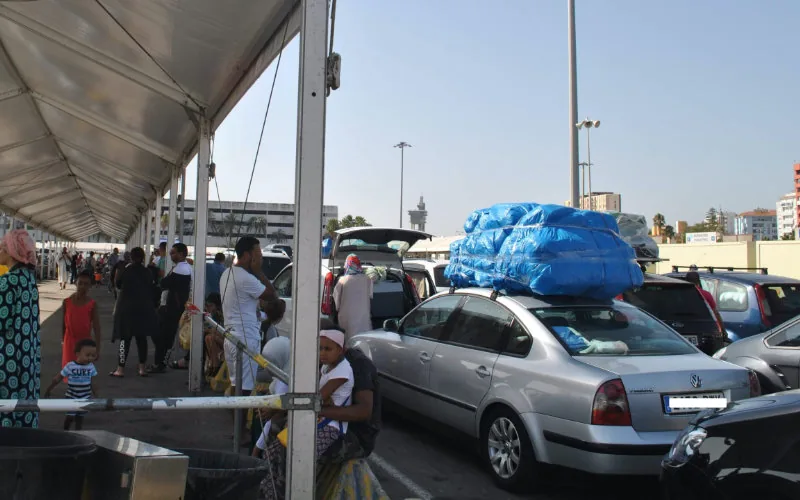
When they return to the country, their weight is also clearly visible in visitor figures. More than 4.06 million MREs crossed Morocco’s borders during the 2025 Marhaba operation alone. At the same time, Morocco was celebrating a record 19.8 million tourist arrivals over the entire year.
Throughout the year, this diaspora receives particular commercial attention. Banks, real estate loans, housing, investments, foreign-currency accounts, products specially designed for Moroccans around the world: when it comes to bringing money in, distance is evidently not an insurmountable obstacle.
But when it comes to installing a ballot box in a consulate, it becomes one.
In Neighboring Countries, Voters Cast Their Own Ballots
The argument of logistical difficulty is even less convincing given that other countries in the region manage to do so.
During Algeria’s September 2024 presidential election, 865,490 voters living abroad were registered. Algeria organized their participation through 117 polling stations distributed among its consular representations. The diaspora vote even began several days before the one organized on national territory in order to take the specific constraints of voting abroad into account.
Tunisia does the same. During the October 2024 presidential election, 642,810 voters were registered abroad. Voting centers and polling stations were open to them outside the country, and Tunisia’s electoral authority had even authorized diaspora voters to vote at the nearest center upon presentation of their identity card or passport.
This is therefore neither a technical impossibility nor an unrealistic idea.
In Morocco, Article 72 of the Organic Law relating to the House of Representatives nevertheless keeps MREs within the proxy voting system. The new platform does not challenge this principle: it merely makes an existing procedure electronic.
That is precisely where the problem lies. Turning a paper form into a digital form can make a process easier. It does not turn proxy voting into direct voting.
Voting is not merely choosing someone one trusts and asking them to deposit a ballot several hundred or thousand kilometers away. It means being able to exercise a political right oneself, at a polling station, with the secrecy and safeguards that normally accompany an election.
Moroccans around the world are considered close enough to Morocco when they transfer 122 billion dirhams, buy an apartment, take out a loan or spend their holidays in the country. They should not suddenly become too far away when election day arrives.
On Bladi.net : Moroccans Abroad Hold 222 Billion Dirhams in Moroccan Banks, but Almost None Remains in Foreign Currency
A proxy voting platform may be practical. It cannot stand in for an electoral participation policy for several million citizens.
In 2026, the question should be much simpler: either Morocco genuinely wants to involve its citizens living abroad and organizes polling stations in its consulates and embassies, or it must stop presenting the modernization of proxy voting as a sufficient response to the problem.
Moroccans abroad do not need a more modern proxy voting system. They need ballot boxes.