Morocco Unveils $20 Million Plan to Modernize Public Transport Fleet
The Ministry of Transport and Logistics has announced an envelope of 200 million dirhams to support the renewal of the road transport vehicle fleet, including taxis and buses.
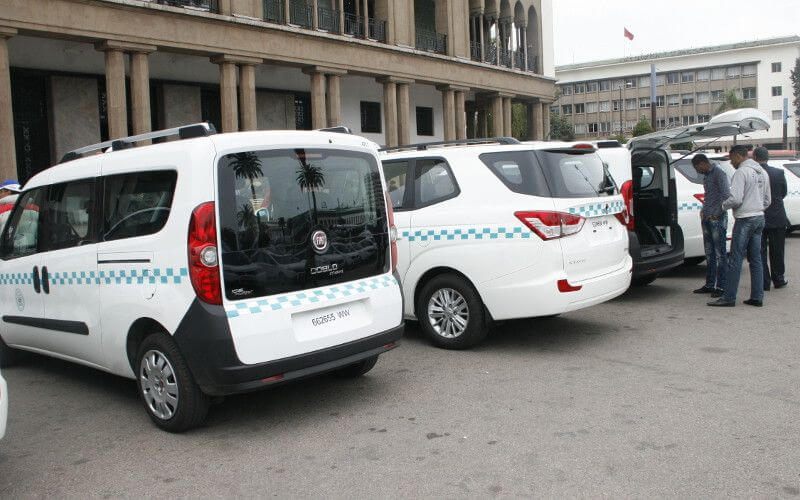
The Ministry of Transport and Logistics has announced an envelope of 200 million dirhams to support the renewal of the road transport vehicle fleet, including taxis and buses.
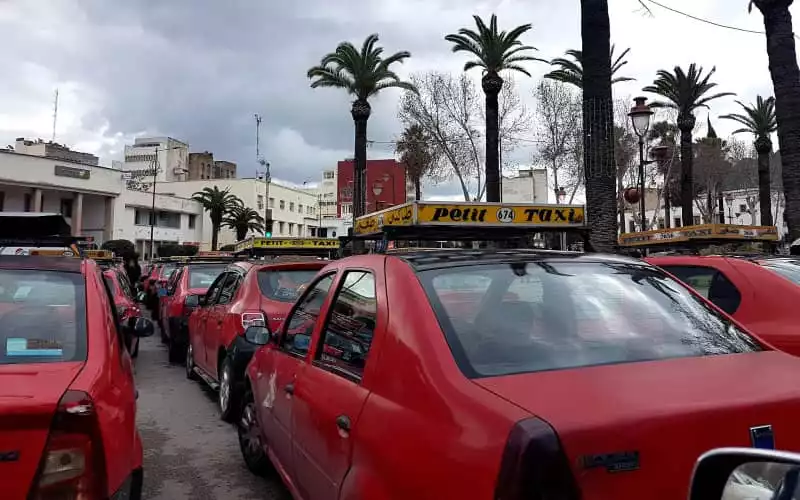
The taxi sector in Morocco is undergoing a transformation. More and more operators, independent or companies, are contracting their drivers and affiliating them with the National Social Security Fund (CNSS).

Following an attack targeting its drivers in Morocco, the inDrive transport platform has denounced the incident. Without providing more details on the circumstances of the attack, the company calls for a thorough and impartial investigation so that the perpetrators are brought to justice.

The Moroccan Ministry of the Interior has recently sent a circular to the walis and governors of the country to bring order to the taxi sector. This initiative follows many dysfunctions observed, which tarnish the image of the sector and encourage citizens to turn to alternative, sometimes illegal, solutions.

In Morocco, the taxi sector is in turmoil. The decision of the Ministry of the Interior to scrap vehicles that are too old has provoked an outcry from some professionals.

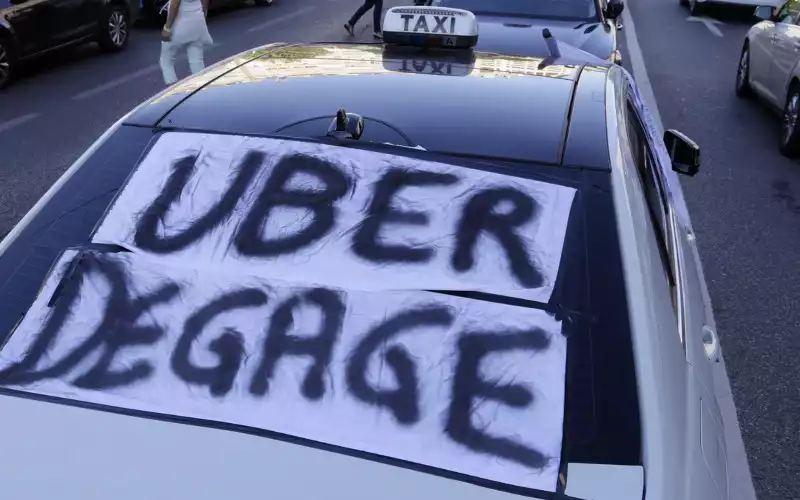
The Popular Movement group in the House of Representatives has tabled a bill to regulate transport via mobile applications, such as Uber, Careem or InDrive. The objective? Require drivers of these platforms to obtain a professional driver’s license, as is already the case for taxis.

The National Federation of Taxi License Operators has spoken out following the statements of Abdellatif Ouahbi, Minister of Justice, concerning the sanctions provided for in the new draft penal code for taxi drivers refusing rides . The minister had mentioned the possible criminalization of such behavior, which has provoked an outcry from the professionals in the sector.

The Moroccan Forum for Human Rights in the Marrakech-Safi region persists in denouncing the abusive practices of grand taxi drivers at the Bab Doukkala station in Marrakech.

The repeated refusals of Rabat taxi drivers to make certain trips are causing a stir. The situation has even taken a political turn, with a parliamentary question tabled in the House of Representatives.

Taxi drivers have been sanctioned in Marrakech for unjustifiably increasing their fares. Licenses have been revoked from drivers at the Bab Doukkala station.

In Morocco, professionals in the taxi sector say they are victims of blackmail from the holders of the permits under the contract that binds them and plan to organize protest demonstrations.

The coordination of the small taxi unions in Marrakech insists on the revaluation of the meter rate. Without failing to mention the relevance of its request.