
Morocco Tax Crackdown Boosts Revenues 14% Against Fraud
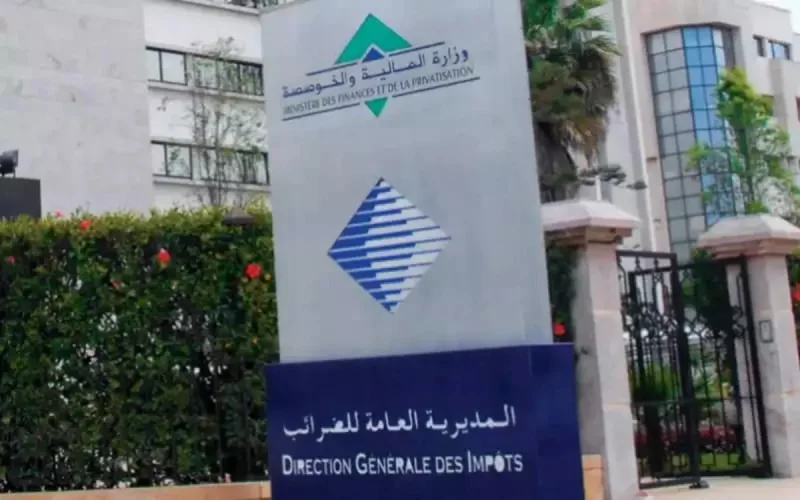
The government is cracking down on tax fraud. Before parliament, the Budget Minister unveiled sharply higher revenues and an economy resilient to drought, setting an ambitious course for public finances.
The hunt intensifies against speculators. During his hearing before the parliamentary commission overseeing public finances, Fouzi Lekjaa reaffirmed "the executive’s determination to intensify the fight against tax fraud and evasion". The objective is to close regulatory loopholes to ensure funding for structural reforms. This rigor is already paying off: ordinary tax revenues jumped 14% between 2022 and 2024, generating a net gain of 39.3 billion dirhams with an execution rate exceeding initial forecasts.
On Bladi.net : Finance: Morocco Pockets 9 Billion Additional Dirhams
This fiscal momentum opens the door to a major challenge: doubling these resources by the end of 2026. The exercise promises to be delicate due to upcoming electoral deadlines scheduled for that period. To succeed in this bet, the minister demands the establishment of a genuine performance culture within public institutions. In parallel, shortening the timeframe for parliamentary budget review is a particularly effective lever, notes daily Assabah, as it allows elected officials to quickly correct financial trajectories.
On the purely accounting front, the coffers are breathing easier. The State collected 577.9 billion dirhams in total resources against 516.7 billion in spending, generating a solid surplus of 56.84 billion dirhams. With this balance sheet showing a global execution rate of 121%, the government approaches the coming months with confidence. It maintains its course to keep the public deficit below 3% and stabilize total debt below the critical threshold of 66% of gross domestic product.
On Bladi.net : Morocco’s Sin Tax Windfall: Tobacco and Alcohol to Outpace Phosphate Profits
These excellent results nonetheless occur in a difficult climate, marked by a sixth consecutive year of drought. While the agricultural sector saw its added value drop 4%, the national economy demonstrated strong resilience with overall growth of 3.8%. This rebound is explained by the vitality of non-agricultural sectors (+4.5%), driven by tourism, automotive industry and phosphate exports. The recent return of rains now offers more favorable prospects for farmers.
Related Articles
-

A Fez riad earns a Michelin Key and joins the world’s best hotels
18 September 2026
-

MRE: this mistake when buying in Morocco can block the repatriation of your money
18 September 2026
-
One ship every five minutes between Morocco and Spain: Rabat seeks new rules for straits
18 September 2026
-

8.2 million dirhams for new vehicles tasked with monitoring Moroccan airport runways
18 September 2026
-
2030 World Cup: Fitch warns Morocco that cost overruns could increase its debt
18 September 2026