Morocco's Sin Tax Windfall: Tobacco and Alcohol to Outpace Phosphate Profits
The Moroccan government plans to generate tax revenue of more than 21 billion dirhams from taxes on tobacco and alcohol consumption to maintain the budget deficit at 3% of GDP in 2026. An amount that far exceeds the expected profits of the Office Chérifien des Phosphates (OCP).
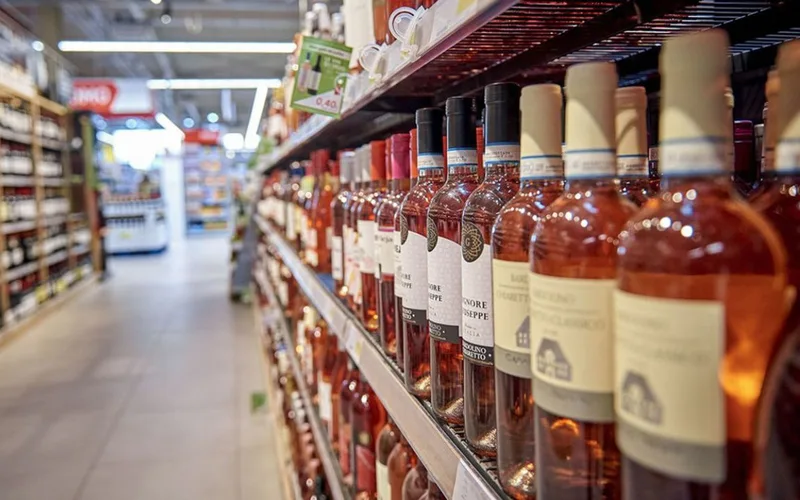
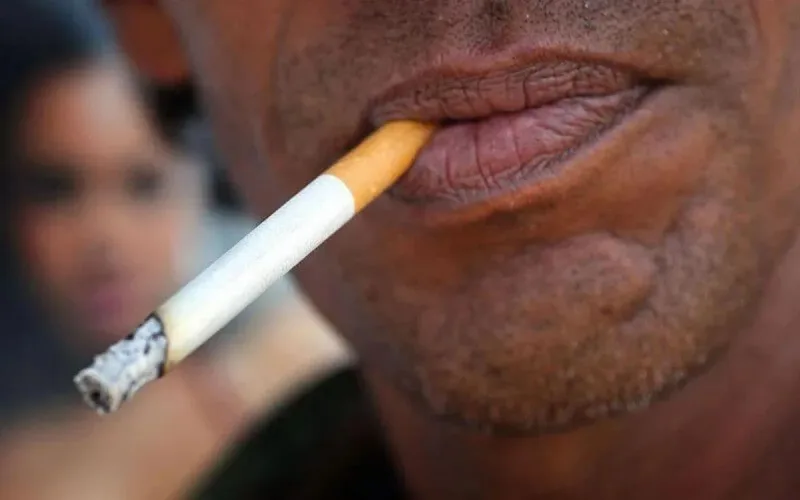
In the draft finance law for the year 2026, the Moroccan government has planned to collect an amount of 21,168,205,000 dirhams from taxes on the consumption of alcohol and tobacco, which is three times the expected profits of the Office Chérifien des Phosphates (OCP), estimated at 7 billion dirhams. This amount should make it possible to maintain the budget deficit around 3% of the gross domestic product for next year, compared to 3.5% expected at the end of the current year. Thus, the government expects revenue of 1,487,805,000 dirhams on the consumption of wines and spirits, 1,963,300,000 dirhams on beer, and 17,717,100,000 dirhams on manufactured tobacco.
These new forecasts confirm an upward revision of the forecasts of tax yield related to the taxation of tobacco and alcohol, from 16,443,520,000 dirhams at the end of 2025 to more than 21 billion dirhams in 2026. The budget for the current year has provided for revenue of 1,190,500,000 dirhams for wines and spirits, 1,553,000,000 dirhams for beer, and 13,700,020,000 dirhams for manufactured tobacco. The increase particularly concerns cigarettes, the taxation of which should jump by nearly 4 billion dirhams in one year.
The 2026 finance bill provides for a balanced budget based on ordinary resources estimated at 432.8 billion dirhams and total expenditure of 488.2 billion dirhams. Tax revenue should reach around 366.5 billion dirhams, or 20.1% of GDP, divided between direct taxes (164.2 billion), indirect taxes (159.7 billion), customs duties (18.5 billion) and registration and stamp duties (24 billion). Non-tax resources should reach 62.7 billion dirhams, or 14.5% of total ordinary resources, and come in particular from transfers from public institutions (27.5 billion), innovative financing mechanisms (20 billion) and the sale of state shareholdings (6 billion).
The government has chosen to rely on stable tax sources, particularly consumption taxes, to ensure significant and sustainable financing while avoiding collection disruptions. This strategy involves a gradual and controlled increase in taxation on the products most consumed by Moroccans, including cigarettes, the subject of a tax agreement between the government and manufacturers.