Morocco to Reserve More Space for Women in New Mosques
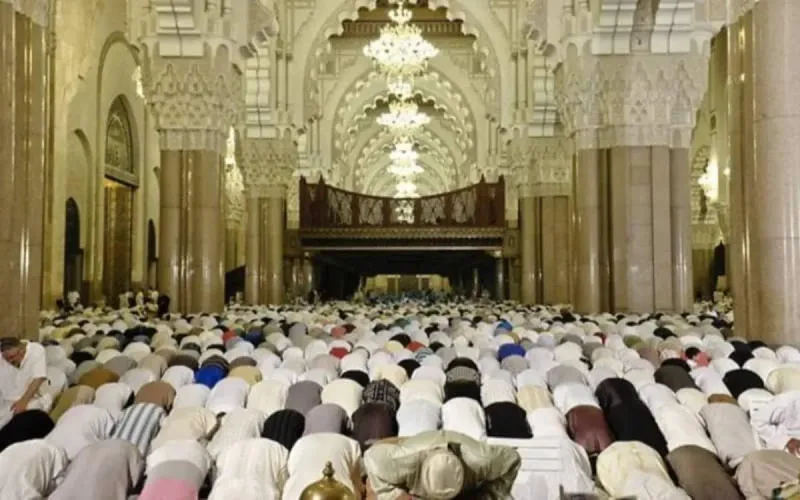
New mosque projects in Morocco will have to allocate more space to women. The Ministry of Habous has set a minimum area for women’s prayer rooms, along with facilities for women with disabilities.
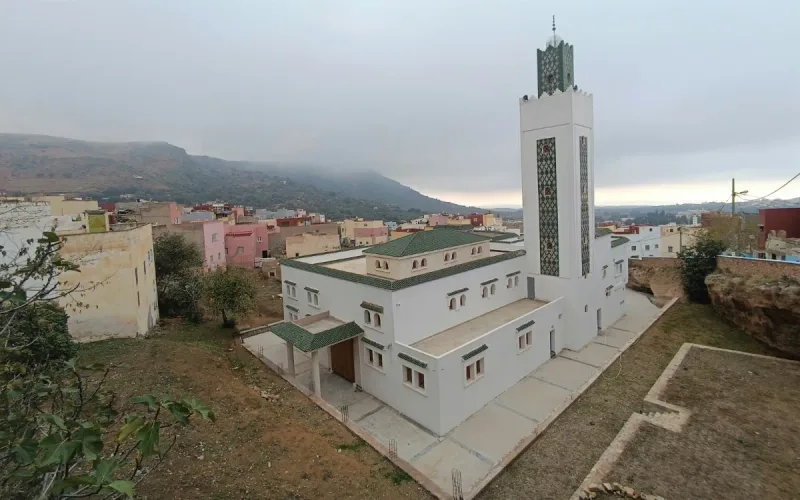
Women currently have, on average, one-fifth of the prayer space in Moroccan mosques. For new buildings, the Ministry of Habous and Islamic Affairs is raising that share to at least 30%. With the total area unchanged, their share will increase by half.
On Bladi.net : Morocco Opens 157 New Mosques Ahead of Ramadan
The provision appears in the report on the budget incorporating gender equality, released on 23 October alongside the 2027 draft finance bill. The ministry says it has incorporated four requirements into the architectural standards for future mosques.
Specifically, of every 1,000 square meters devoted to prayer, at least 300 must be reserved for women. The current average share would amount to 200 square meters over the same area—a difference of 100 square meters.
The report also gives an indication of the need: in 2025, the rate at which women’s needs for prayer rooms were being met stood at 27.6%, according to the indicator tracked by the ministry.
Accessible rooms, even when the women’s prayer area is upstairs
Another change: when a women’s prayer room is on a mezzanine or upper floor, the building must provide a space on the ground floor for worshippers with disabilities. This is a practical measure for those who have difficulty using stairs.
The new plans also provide for women’s ablution rooms and restrooms, including at least one facility adapted for women with disabilities. Accessibility features must enable them to reach the different facilities within the place of worship.
These rules apply to projects to build new mosques. They are part of the ministry’s roadmap through 2032, which focuses in particular on access to places of worship and religious education.
In the latter area, women are already strongly represented: in 2025-2026, they accounted for 90.3% of beneficiaries of literacy classes held in mosques, and 83.3% of the program’s teaching staff.