Morocco’s First Female Head of Government: What Will Really Change?
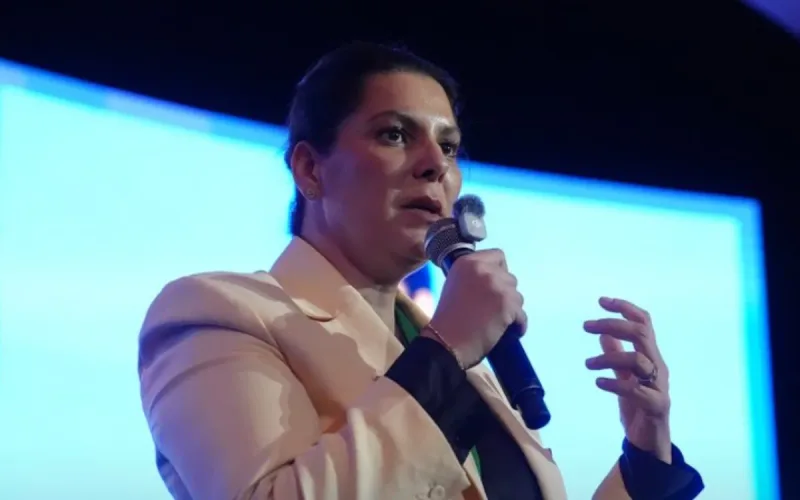
The appointment of Fatima Ezzahra El Mansouri has opened a debate about the place of women in Morocco. In an analysis published on October 3, Deutsche Welle examines the possible effects of this first female head of government on attitudes, laws and the makeup of the next government.
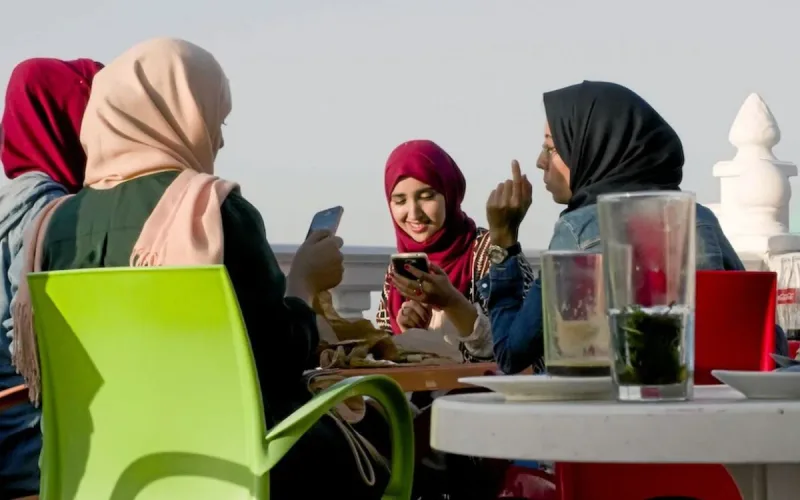
For Deutsche Welle, a woman taking the position has already had a social impact. Stephanie Willman Bordat, co-founder of the Mobilizing for Rights Associates organization, notes that the appointment has sparked conversations about women’s ability to lead, even in cafés and on public transport.
On Bladi.net : Morocco’s Election Results Seen Through the International Press
This shift is reflected in opinion polls. According to a study by Arab Barometer published on October 1, 47% of Moroccans surveyed in 2025 believed that men made better political leaders than women. That proportion was down ten points from the 2023-2024 survey.
Views are also changing within the family: 44% of respondents believed that men should have the final say in family decisions, down seventeen points. The survey was conducted among 1,210 citizens, before El Mansouri’s appointment.
Expectations also focus on laws
But changing attitudes have not translated everywhere into stronger support for women’s representation. Support for quotas for women in government fell from 70% to 52%. Support for equal employment opportunities, meanwhile, remains steady at 64%.
On the political front, Anja Freudenreich, head of the Friedrich-Ebert Foundation’s Morocco office, described El Mansouri to DW as a pragmatic leader. According to MRA’s review of party platforms, the PAM proposed three measures concerning women: economic activity, pensions for vulnerable widows and obstetric care.
On Bladi.net : What Role Will Morocco’s First Female Prime Minister Have in Royal Prayers?
Reform of the Family Code remains another anticipated issue. Ahmed Benchemsi of Human Rights Watch told DW that legal changes are important for women’s rights. The makeup of the future cabinet will also be watched: how many women will be appointed, and what responsibilities will they be given.