Morocco’s Election Results Seen Through the International Press
The PAM comes out on top in Morocco’s legislative elections, the RNI loses 36 seats and the PJD returns to the political arena. But from Madrid to Berlin and Doha, another figure dominates the analyses: nearly 62% of registered voters did not turn out.
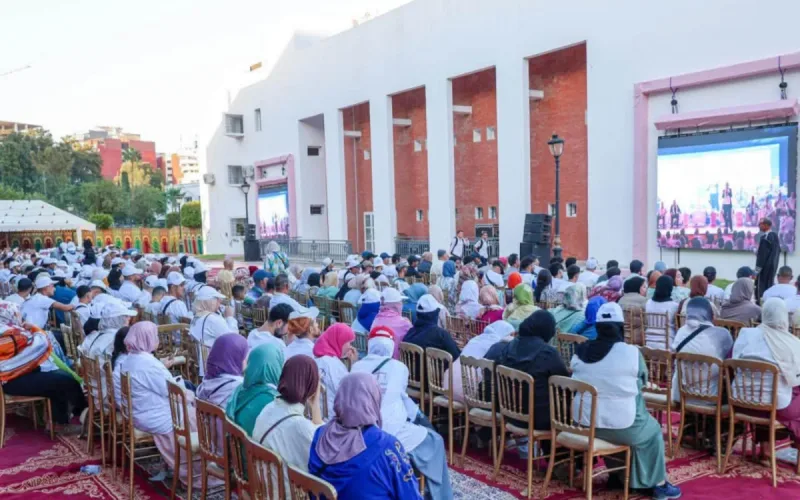
According to the provisional results announced after the September 23 vote, the Party of Authenticity and Modernity (PAM) won 97 of the 395 seats in the House of Representatives. Its partners in the outgoing majority, the RNI and Istiqlal, followed with 66 and 65 seats respectively. The PJD won 54. The Spanish press agency EFE sees this ranking as a victory for the PAM, but also as a clear setback for the party that led the government.
The balance of power has shifted within the coalition itself. The PAM gained ten seats compared with 2021, while the RNI lost 36 and Istiqlal 16. Together, the three parties still hold 228 seats, more than the 198 needed for an absolute majority. They can therefore renew their alliance, under different political leadership. This is the paradox highlighted by Al Jazeera: the outgoing majority retains enough seats to govern, but its balance has been overturned.
On Bladi.net : Fouzi Lekjaa Prime Minister Morocco Elections 2023
The renewal of this alliance is not guaranteed. The PAM and the RNI clashed during the campaign despite their five years in government together. Since the vote, however, Fatima Ezzahra El Mansouri, a member of the PAM leadership, announced that her party would hold discussions without “red lines,” reports El País. The figures make a three-party coalition possible; negotiations will show whether its members still want to govern together.
The other major development concerns the PJD. After falling from 125 to 13 lawmakers in 2021, Abdelilah Benkirane’s party has risen to 54 seats. El País highlights its campaign against corruption and the normalization of relations with Israel. Arabist Bernabé López García believes that the latter issue contributed to its progress. Benkirane, for his part, ruled out joining a government led by the PAM. The PJD thus regains a significant position in the parliamentary opposition.
A Parliamentary Victory Amid Massive Abstention
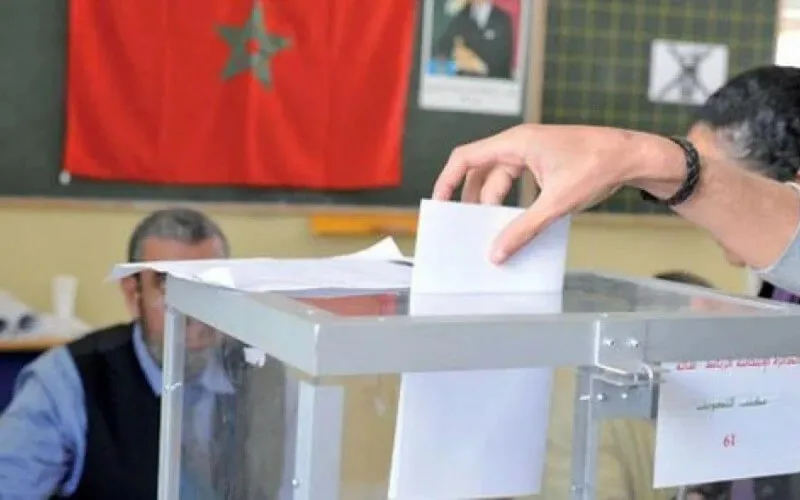
The figure running through almost all foreign analyses remains turnout: around 38% of registered voters, compared with just over 50% in 2021. Nearly six million people voted out of approximately 15.8 million registered voters. Tagesschau and EFE note that this is the lowest turnout since 2007.
The proportion is even lower when considering all Moroccans of voting age, many of whom do not appear on the electoral rolls. The delegation of the Parliamentary Assembly of the Council of Europe estimates that fewer than one adult in four cast a valid vote. It describes an efficiently organized election, with a broad political choice, while identifying low turnout as a major challenge for representation and trust in institutions.
Its observers also raise an issue that directly concerns Moroccans living abroad. They call for the more than six million citizens residing abroad to be able to vote in person and by secret ballot. In their view, proxy voting does not sufficiently guarantee individual choice or ballot secrecy. They also call for the automatic registration of citizens who meet the conditions for voting.
On Bladi.net : MRE in Parliament: The "x6 bonus" that will shake up the electoral lists in Morocco
This distance from the ballot box fuels analyses focusing on young people. Before the vote, Reuters described the gap between the parties’ promises of jobs and young people who doubt their ability to improve daily life. The September 23 election does not allow every abstention to be attributed to this sole explanation. Nevertheless, it gives turnout a central place in the political assessment of the election.
What remains is the choice of the next head of government, whom the king must appoint from the party that came first. EFE and El País name Fouzi Lekjaa among the favorites. The Italian agency ANSA places greater emphasis on Fatima Ezzahra El Mansouri, who would become the first woman to lead a Moroccan government. Two names, two interpretations of the same result: the PAM won first place, but the composition of the executive branch remains to be decided.
The next majority can rely on a comfortable parliamentary base if the three former partners reach an agreement. It will have to govern with this figure in mind: nearly six out of ten registered voters stayed home, while millions of Moroccans living abroad still do not have the personal vote demanded by European observers.