
Morocco rejects the "Puerto Rico" model proposed by the Polisario
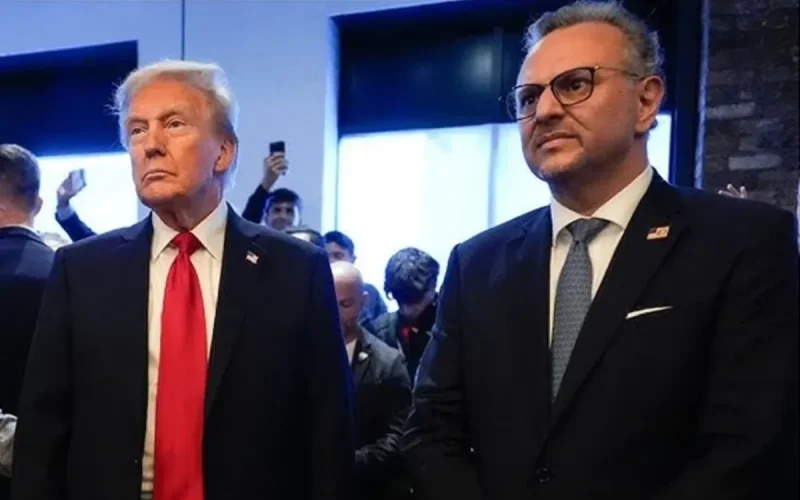
The Trump administration is multiplying secret mediations to resolve the conflict in Western Sahara. Despite three intense rounds of negotiations between Morocco and the Polisario Front, significant differences over the degree of autonomy and the electoral process are slowing down any quick agreement.
Three rounds of confidential talks were held between late January and late February 2026 under the auspices of Massad Boulos, the U.S. envoy for Africa. These meetings, organized in Washington and Madrid, brought together the foreign ministers of Morocco, the Polisario Front, Algeria and Mauritania. The Moroccan and Sahrawi representatives had not met face-to-face since 2019, marking a diplomatic success for the White House, writes Ignacio Cembrero in Middle East Eye.
President Donald Trump aims to establish himself as a peacemaker on the African continent, like his interventions in other global crises. Washington seeks to validate a political solution that satisfies Moroccan claims while accommodating Algeria, the historical supporter of the separatists. The initial objective of the U.S. administration was to reach a final settlement by the spring. Western Sahara: the Moroccan autonomy plan at the heart of the U.S. mediation
Pushed by the United States to clarify its offer, Morocco has developed its initial 2007 proposal into a 38-page document submitted last January. This project of expanded autonomy under Moroccan sovereignty is based on UN Security Council Resolution 2797, which states that genuine autonomy is the most feasible solution to close this dispute of more than fifty years.
However, major institutional sticking points remain between the two parties. Rabat plans for the future president of the region to be appointed by the king, while the Polisario Front demands the status of a freely associated state, on the model of Puerto Rico, with its own constitution. Morocco’s refusal to incorporate Sahrawi identity symbols, such as a flag or anthem, is also straining the closed-door discussions.
The question of the electoral body responsible for validating the agreement is crystallizing tensions. The Polisario insists that the new status be approved by a vote reserved exclusively for the Sahrawi people scattered between the territory and the camps. Conversely, Morocco categorically rejects this option and wants the autonomy to be ratified by a constitutional reform voted on by all 37 million Moroccans.
Despite the urgency expressed by Washington, no tangible results emerged from the last session held on February 23 and 24. While Massad Boulos claims that the conflict is "on the path to resolution," he now acknowledges that the process could take longer than expected. No date has been set for a fourth meeting, while the long-awaited reconciliation between Morocco and Algeria remains at a standstill.
Related Articles
-

Europe now buys €25.5 billion from Morocco, and agriculture is no longer dominant
19 September 2026
-
Royal Air Maroc gains 12 places and becomes Africa’s best regional airline again
19 September 2026
-

The dirham falls for the third consecutive week: 1,000 euros now bring in 131 more dirhams
19 September 2026
-

After Nadorcott, a new Moroccan mandarin is protected in Europe until 2056
19 September 2026
-

Hormuz Threatens Global Fertilizer Supplies: Morocco Holds an Asset That Has Become Strategic
19 September 2026