Morocco pays 65 cents a kilo for Spanish peaches, less than half the price paid by other buyers
Morocco buys Spanish peaches and nectarines at an average price of 65 cents per kilo, compared with €1.61 for Spain’s other customers. A study published on Monday, October 19, reveals the striking gap and the times of year when the Kingdom makes its purchases.
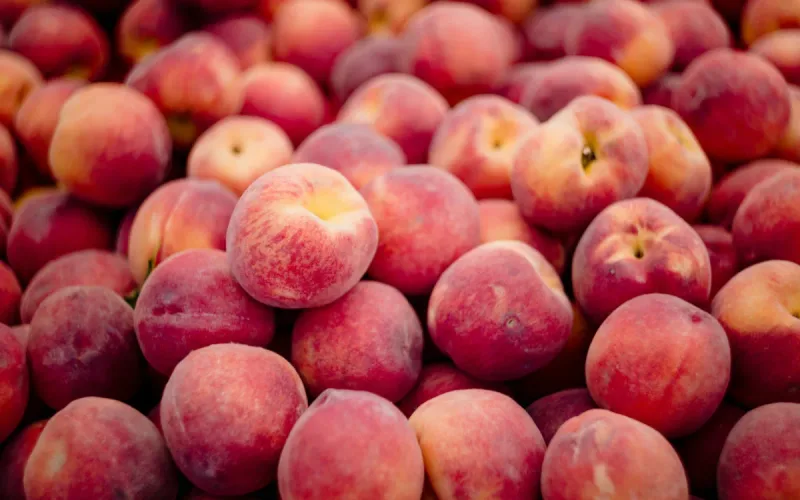
Between January 2022 and July 2026, Morocco imported 2,567 tonnes of Spanish peaches and nectarines at an average value of €0.65 per kilogram. During the same period, other buying countries paid an average of €1.61. The gap thus reached 60%, according to a Wikifarmer analysis based on official Eurostat data.
On Bladi.net : Spanish onion at 8 DH arrives in Morocco: Why our farmers are no longer a match!
This 96-cent-per-kilo difference places Morocco among the destinations paying the lowest average prices for these Spanish fruits. The study also shows that the gap persisted over successive seasons. Between 2023 and 2026, the average price recorded for Morocco was between 40% and 43% of the price paid by other buyers each year.
Morocco buys mostly when prices fall
One explanation lies in the timing of imports. No less than 74% of the Spanish peaches and nectarines bought by Morocco were purchased in July and August, when Spanish exports reach their seasonal peak. The abundance of fruit on the market generally brings prices down compared with the start of the season.
Wikifarmer also compared prices month by month, focusing on periods when Morocco was actually making purchases. Even using this method, the Kingdom benefits from a 53% gap compared with other destinations. Timing therefore explains part of the price advantage, which may also reflect differences in the quality and packaging of the fruit sold.
On Bladi.net : Spain buys 20,000 fewer tonnes from Morocco… yet pays it 56 million euros more
Volumes remain relatively modest. Over the four and a half years studied, only 2024 exceeded the 1,000-tonne threshold, with 1,741 tonnes imported. The study also found that the price gap adjusted for seasonal effects was much smaller between 2005 and 2021, at 21%.
The prices analyzed are values declared at the Spanish border, before transport and distribution costs. They are calculated by dividing the total value of exports by the quantities shipped and cover different quality and packaging categories.