Morocco military buildup forces Spain strategic rethink
The acceleration of Morocco’s military modernization is reshaping the regional balance. While a direct armed conflict remains unlikely, this increase in power is forcing Spain to urgently review its defensive and diplomatic posture in the face of growing hybrid pressure.
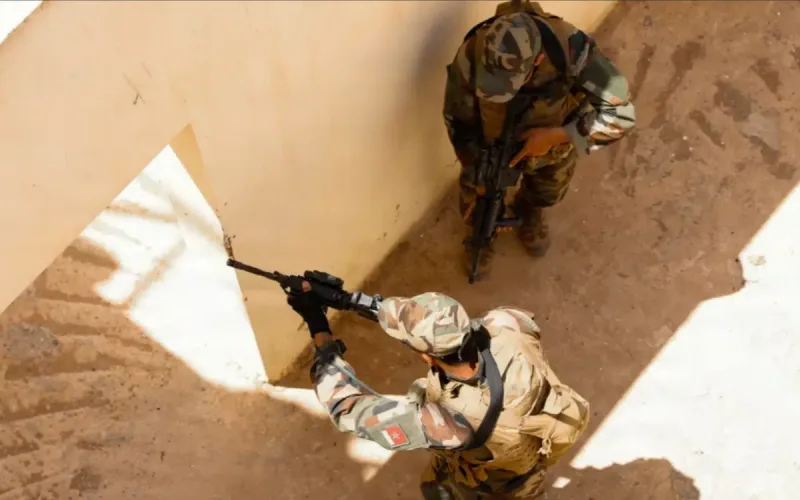
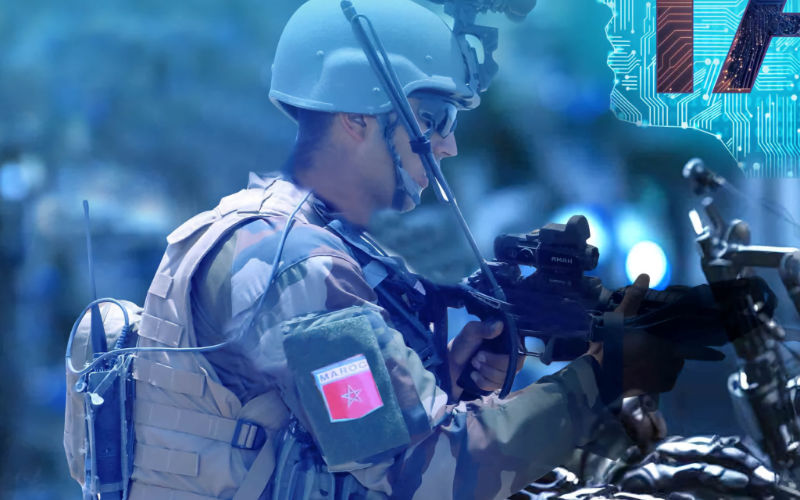
The risk of a conventional confrontation is ruled out, but the threat is mutating considerably. Backed by its regional influence and its alliance with the United States and Israel, Morocco is accused by the Spanish press of using its new military capacity to exert multiple pressures. For some strategy experts, "the key is not open war, but hybrid pressure," a domain where migration flows, diplomatic negotiations and territorial claims become formidable leverage against Madrid.
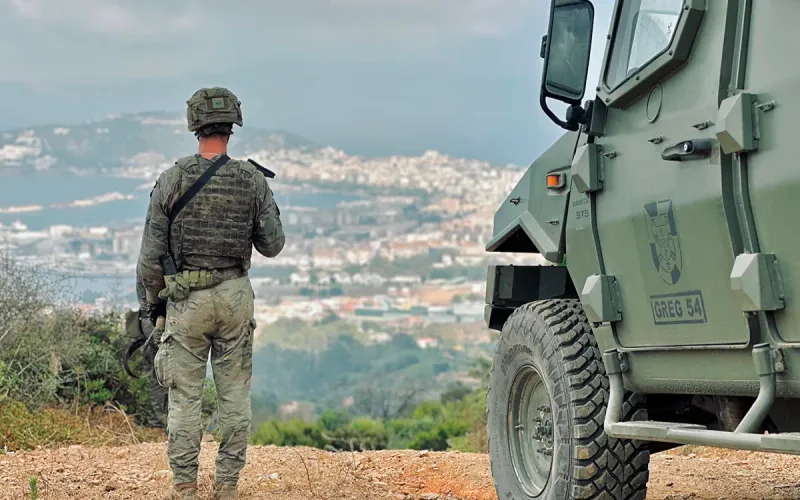
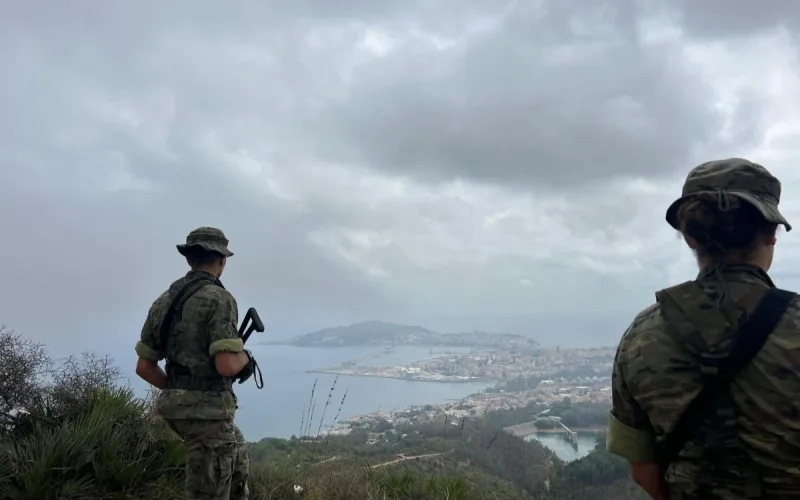
On Bladi.net : Spain deploys its troops in Ceuta in the face of Morocco’s armament
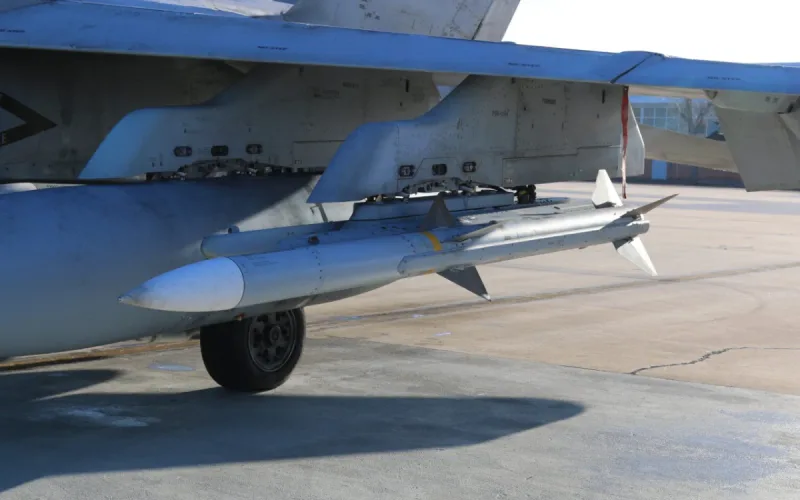
For two decades, Rabat has invested massively to close its gap. This large-scale process, initially designed to compete with Algeria, includes the acquisition of modernized F-16 fighters, MALE attack drones, long-range artillery and air defense systems. According to findings by the newspaper La Razon, this dynamic drastically reduces the historical technological gap between the two shores of the Mediterranean.
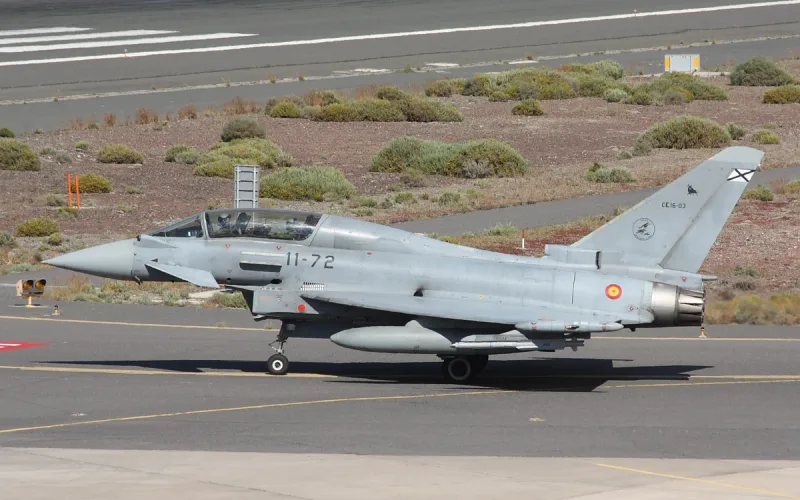
Spain currently maintains overall dominance thanks to its NATO membership, its submarines, its Eurofighter aircraft and its AEGIS frigates. However, this advantage is eroding rapidly. Specialists are calling for an immediate acceleration of Iberian armament programs, targeting particularly the deployment of F-110 frigates, VCR 8x8 armored vehicles and anti-drone systems, in order to preserve credible deterrence in the air and at sea.
On Bladi.net : Spain forced to adapt its military system to face Morocco
Facing this increasingly demanding environment, anticipation is essential. Spanish diplomacy can no longer simply react to crises already underway, as during the Ceuta episode in 2021. The sustainability of Spain’s leadership on its southern flank, including Melilla and the Canary Islands, requires, it is said, genuine European coordination and imperative excellence in intelligence and surveillance services.