Morocco no longer wants to follow: it wants to surpass the tourism giants in the Mediterranean
Behind the record figures lies a national ambition. Driven by King Mohammed VI, Morocco now aims for the top 15 in global tourism by 2030. Between massive investments in aviation and preparations for the World Cup, the neighbor to the south is becoming a formidable competitor for Spain and Italy.
Morocco is no longer content to be on the map of world tourism; it wants to shake up the hierarchy. With a record 19.8 million visitors in 2025 and revenues exceeding 11.5 billion euros, the Kingdom is confirming a meteoric rise. In thirteen years, under the impetus of Mohammed VI, the country has achieved what had taken Spain twenty-five years: doubling its flow of travelers.
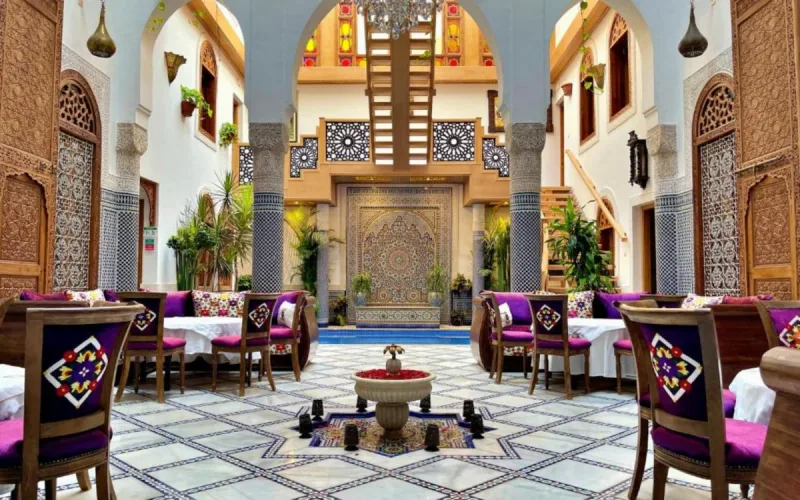
This rise in power is no longer just a statistic, it is a conquest strategy. While Europe is suffocating under inflation, Morocco is playing the card of aggressive competitiveness. Facing the historic Mediterranean trio - Spain, Italy, Greece - the Kingdom is imposing itself through a formidable quality-price ratio, backed by a unique cultural and gastronomic offering. For Spain, the global leader neck-and-neck with France, the Moroccan "threat" is becoming concrete: the neighbor to the south is aiming for nothing less than the global top 15 and 26 million tourists by 2030.
The pillars of a radical transformation:
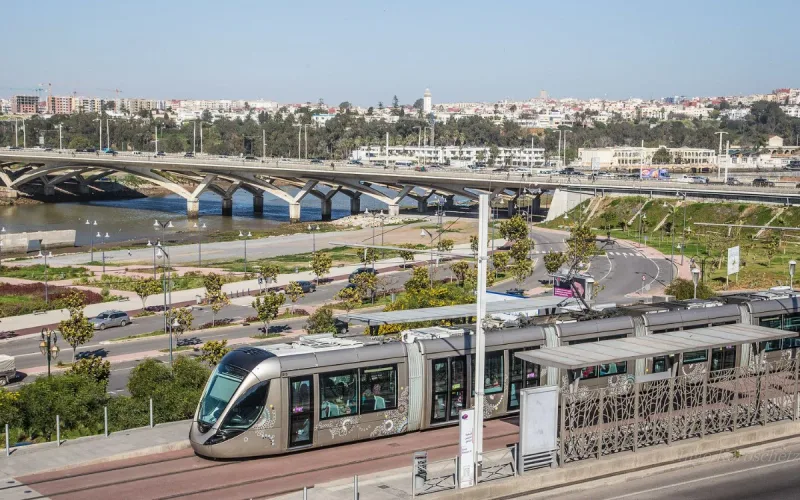
• The air offensive: A 3.5 billion euro investment to modernize airports, with Casablanca as the flagship. The goal is clear: to reach 95 million passengers by 2035 to become an essential hub between Europe, Africa and Asia.
• The democratization of investment: The "Project Bank" now extends to 60 provinces, irrigating both rural areas and hubs like Tangier or Marrakech.
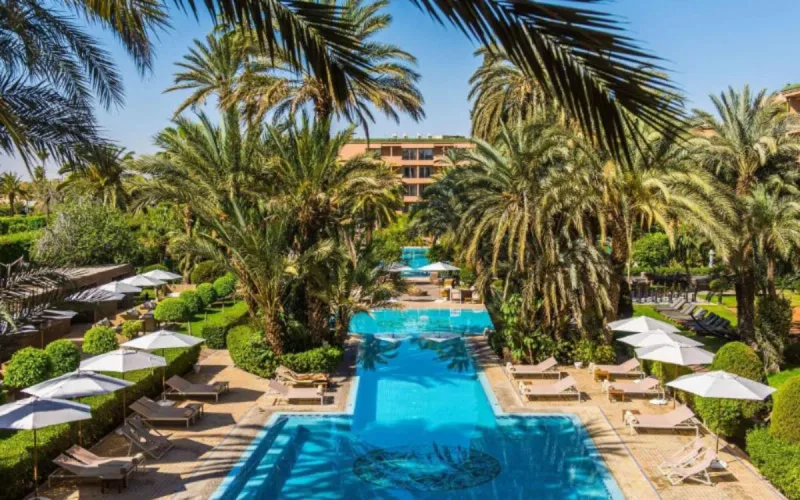
• The 2030 catalyst: Co-hosting the World Cup with Spain and Portugal is seen as the ultimate test. It is an opportunity for Morocco to fill its hotel deficit - with a need for 100,000 additional rooms - and to validate its infrastructure at the highest global level.
The Minister of Tourism, Fátima-Zahra Ammor, acknowledges: this race for figures is not an end in itself, but a driver of economic sovereignty. For Morocco, 2030 will not only be the year of football, but also a possible power shift in the imagination of Mediterranean travelers.