Tourism: How Morocco has dethroned a Spanish giant
For the first time, the Kingdom has surpassed the Canary Islands in total number of visitors, closing the year 2025 with nearly 20 million international tourists. This performance, marked by a growth of 14%, reflects a successful acceleration strategy that is reshaping the regional tourism map in the face of a Spanish destination now facing the challenges of saturation.

The statistics for the year 2025 reveal a symbolic change in leadership in the international tourism sector. While the Canary Islands reached a historic figure of 18.6 million visitors, they are now behind Morocco, which attracted 19.8 million travelers over the same period. If the Spanish archipelago continues to progress, particularly thanks to the foreign market, it can no longer compete with the growth rate imposed by its North African neighbor, which has managed to transform its model in record time.
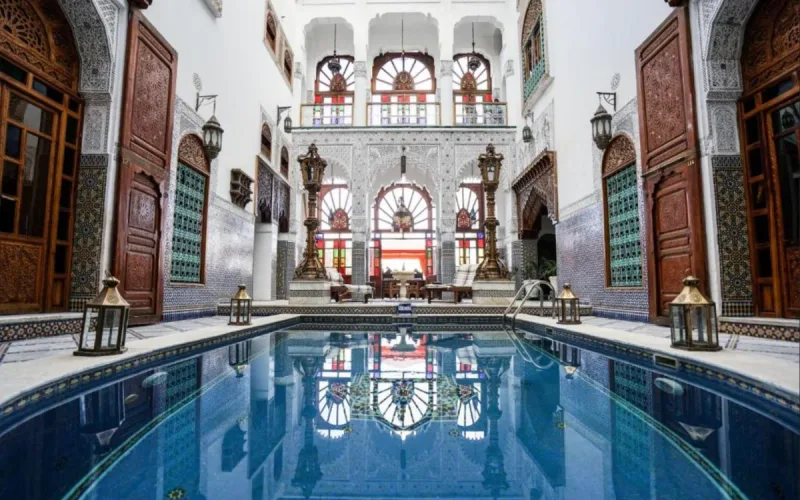
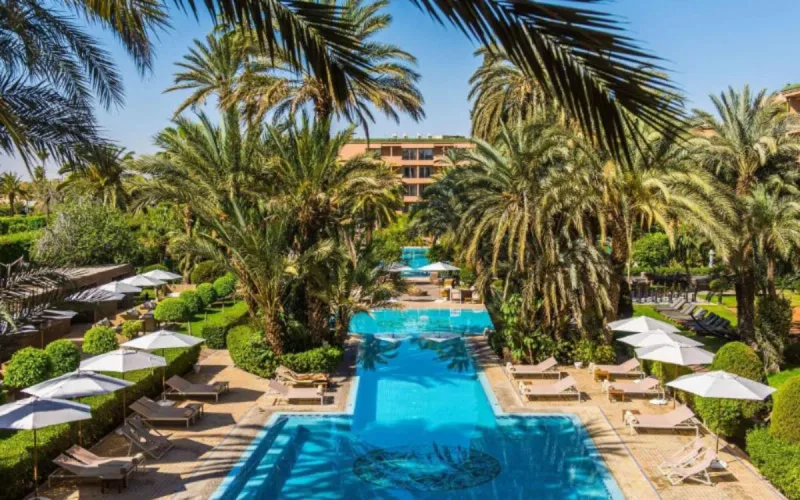
This rise in power is explained by a massive investment policy in transport infrastructure, airports, and the constant improvement of security in key tourist areas. Morocco is emerging as an increasingly competitive alternative for European travelers, offering more advantageous hotel and catering rates in major hubs like Marrakech, Agadir, Tangier, or Fez. This perception of a destination that is both safe and affordable has allowed it to capture a significant share of the demand that was previously almost automatically directed towards the Spanish coasts.
Beyond the simple volume, the comparison between the two destinations highlights two distinct phases of their development cycle. The Canaries represent a mature market, where the public debate is now focused on the limits of the tourism model and the pressure on housing. In contrast, Morocco is in a phase of dynamic expansion, benefiting from a broader political and territorial leeway to grow without major social unrest. Although the Spanish archipelago maintains its lead in terms of average spending per visitor, Morocco’s quantitative success in 2025 marks a new era of competition on the global chessboard.