Morocco Economy 2026: Growth, Tourism Boom and Industrial Risks
Morocco’s economy is expected to grow by 4.4% in 2026, supported by major World Cup projects and record tourism. Coface highlights the Kingdom’s resilience in the face of slowing international trade.
This performance, following 4.6% growth in 2025, places Morocco above the regional average. According to Coface’s latest risk barometer, the country benefits from a stronger domestic foundation thanks to the diversification of its revenue sources, despite a global environment marked by geoeconomic fragmentation and persistent trade tensions.
On Bladi.net : Moroccan tourism generates a historic record
The construction and public works sector has established itself as the main engine of this momentum. Preparations for the 2030 World Cup are massively stimulating investment, whether through the modernization of the railway network, airport expansions, or urban redevelopment. These strategic infrastructures are generating major knock-on effects across the entire value chain, from engineering to construction materials.
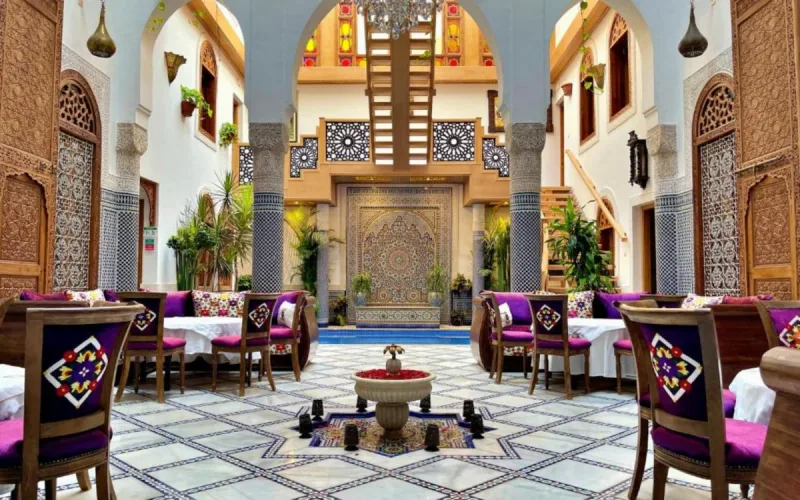
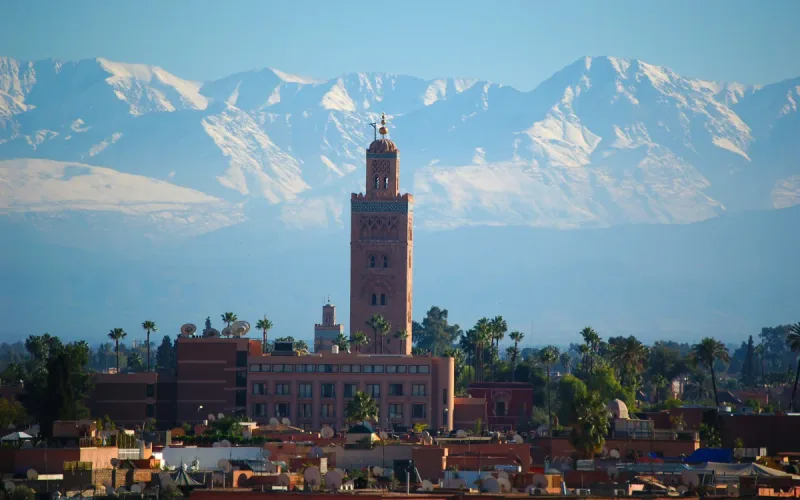
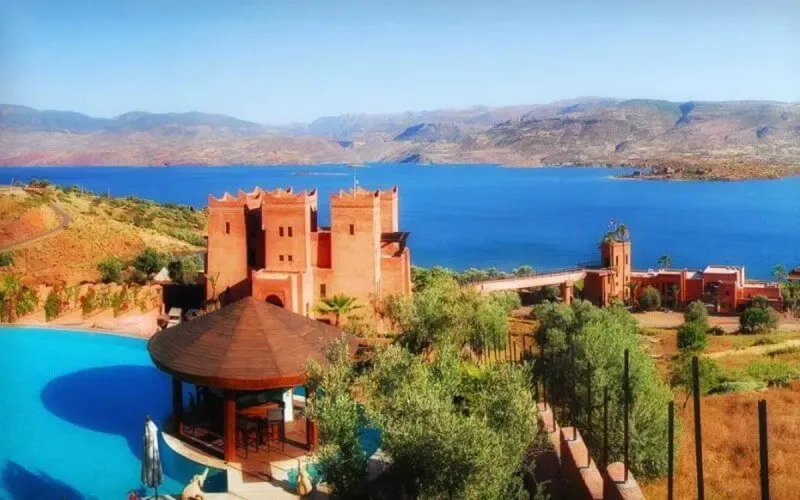
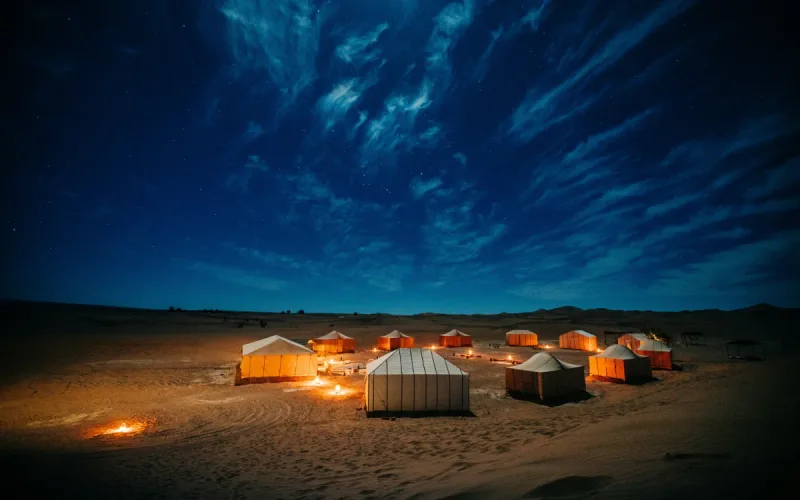
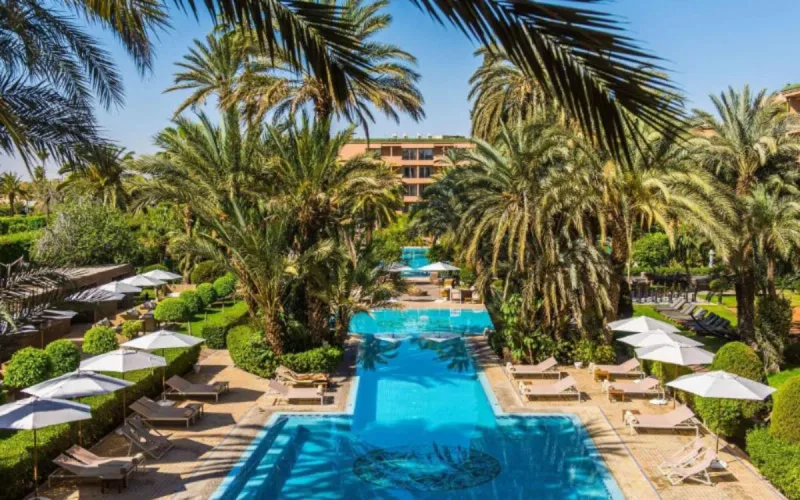
Tourism is also confirming its role as a central pillar, with an all-time record of 20 million visitors reached in 2025. This trend is expected to continue in 2026, strengthening foreign-exchange reserves. At the same time, the recovery in agricultural production, supported by more favorable weather conditions at the end of last year, is helping stabilize sectoral value added, which had long been weakened by drought.
On Bladi.net : Tourism: Morocco officially becomes the new global giant (UN figures)
Although the macroeconomic framework remains solid, with inflation under control, the manufacturing sector could nevertheless lose momentum. Weak demand for automobiles in Europe could weigh on Moroccan industrial exports, temporarily limiting this segment. Nevertheless, the Kingdom’s growing role as a financial and logistics hub toward Africa offers credible new sources of growth.
This trajectory marks a profound transition in Morocco’s economic model, which is now less dependent on agricultural cycles. The central challenge in the coming years will be ensuring that these large-scale investments generate a lasting impact on productivity and employment, while consolidating the country’s position as an international industrial and services crossroads.