Morocco AI Strategy: Diaspora Drives Digital Sovereignty 2030
Moroccan experts abroad are mobilizing to guarantee national digital sovereignty by 2030. Gathered in Rabat, they are developing strategies combining artificial intelligence and advanced cryptography to protect data against future cyber threats.
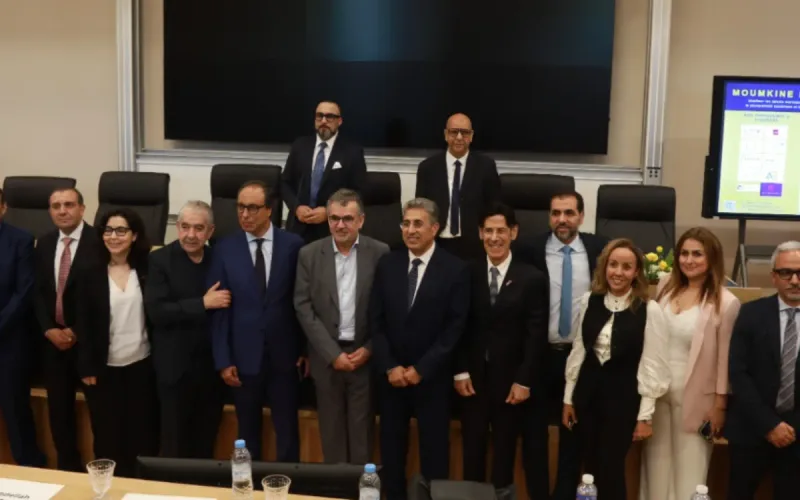
Facing the constant evolution of cyberattacks, Moroccan researchers and engineers based in Europe and the United States are currently designing cutting-edge solutions in post-quantum computing. These complex technologies, designed to resist the computing power of future computers, prove crucial for securing national data. These advances dominated discussions at the "Possible Days 2026" meeting held Thursday morning at Rabat’s International University.
On Bladi.net : Morocco Unveils Ambitious AI Strategy: Aims to Become Africa’s Tech Hub by 2030
The massive integration of artificial intelligence generates unprecedented vulnerabilities, while offering the capacity to identify malware undetectable by conventional firewalls. Karim Amor, president of the 13th region of Morocco’s General Confederation of Enterprises (CGEM), warns about the scattered use of AI within companies. He demands a shared vision that centralizes information security and anticipates drastic changes in the labor market facing automation.
Beyond lines of code, this skills transfer directly impacts heavy industry and defense. For example, an engineer from multinational Airbus wishes to develop locally new-generation civil and military drones. The CGEM network, active in over 110 countries, aims to support these ambitious project leaders by instantly connecting them to industrial ecosystems and local small and medium-sized enterprises.
On Bladi.net : Over One Million Jobs at Risk in Morocco
Simple use of digital tools is now obsolete. Participants were categorical: "owning or consuming technology is no longer enough," only knowledge production guarantees strategic independence. Omar El Mourabet, President of the Moroccan Forum of Skills and Experts, draws a parallel with football selection during the World Cup, largely driven by the diaspora. He believes this identical dynamic must propel the nation as Africa’s major technology hub.